Volkswagen's TSI Vs. TFSI Engines: The Main Differences Explained
jalopnik.com • • technology
Key Points:
- TSI ("Turbo Stratified Injection") and TFSI ("Turbo Fuel Stratified Injection") are acronyms used by Volkswagen Group to denote direct-injection turbocharged gasoline engines, with TFSI exclusively used by Audi as a branding distinction rather than indicating mechanical differences.
- Both TSI and TFSI engines share many components and engine codes, particularly in the modern EA888 engine family, which replaced the older EA113 series and introduced key upgrades like a timing chain instead of a rubber belt for improved durability.
- The EA888 engine, found in models like the 2025 Audi S3 (TFSI) and VW Tiguan Turbo R-Line (TSI), has undergone multiple revisions enhancing reliability, though used buyers should watch for PCV system issues and carbon buildup, especially in early generations.
- The smaller EA211 engine series, carrying the TSI badge, uses a timing belt and is common in entry-level VW models; potential issues include coolant water pump leaks and carbon buildup due to direct injection.
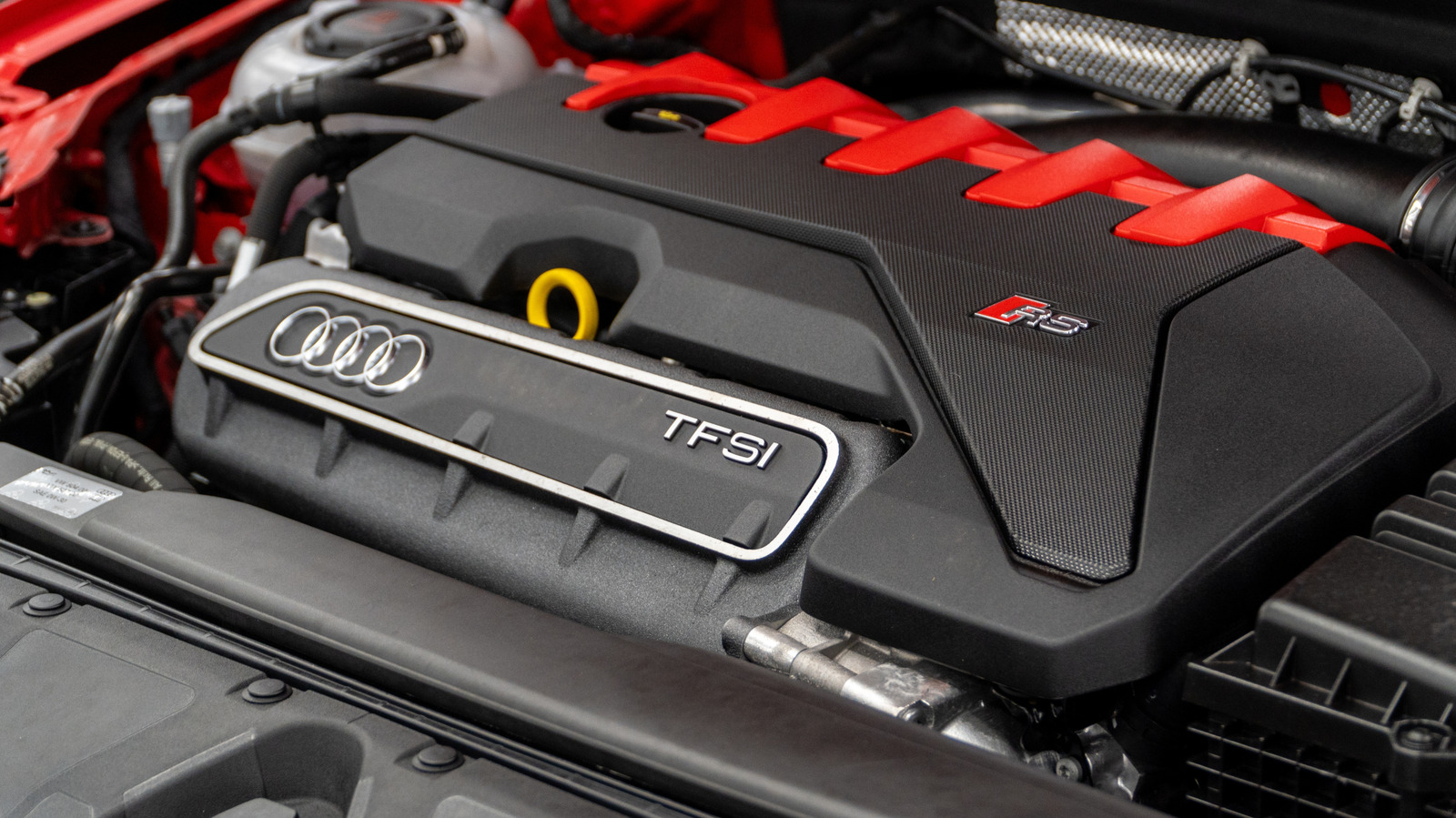
- Audi's 2.5 TFSI inline-five engine, featured in the RS 3, is praised for its distinctive sound and reliability but may develop leaks and turbocharger problems in high-mileage vehicles.


