War is pushing up energy prices now. Trump's policies could hurt for years to come
NPR • • business
Key Points:
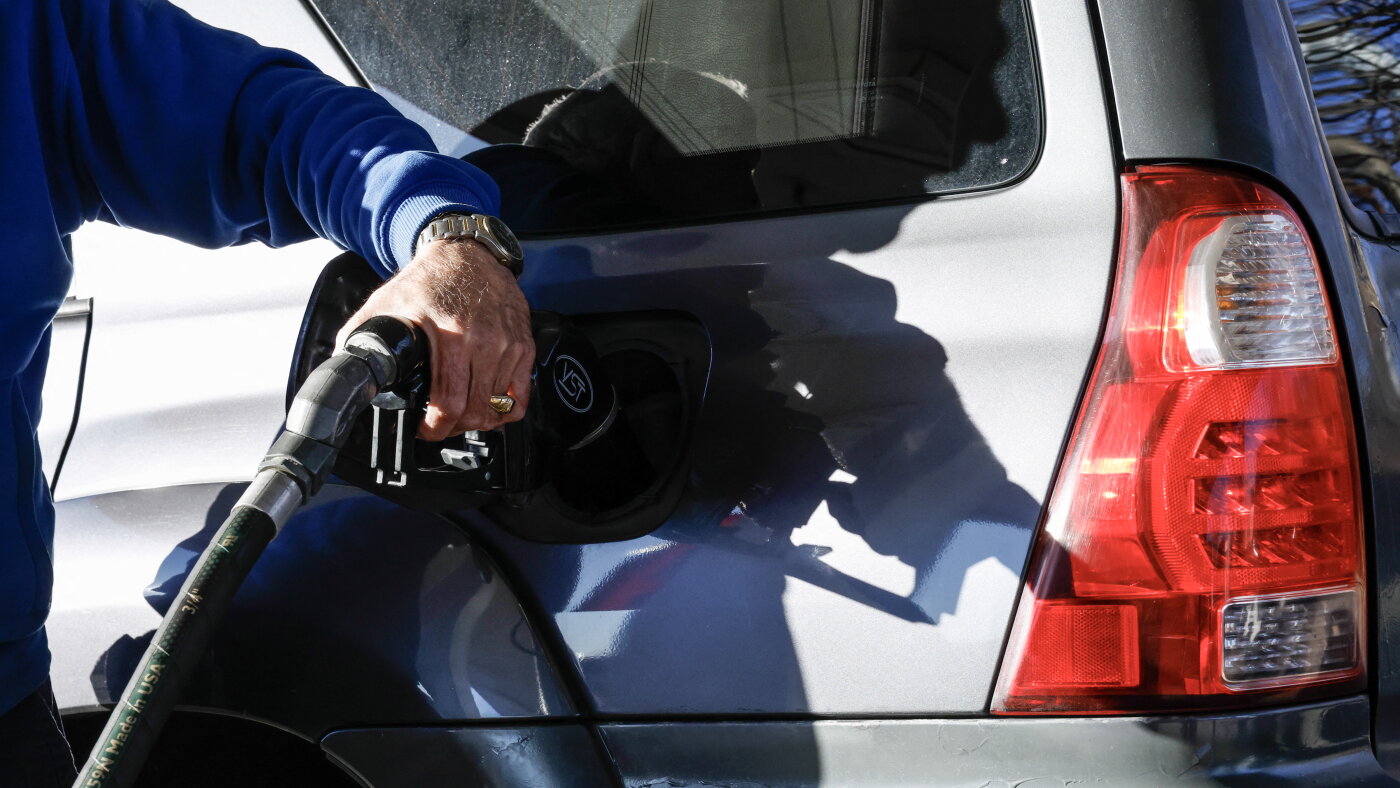
- Energy prices in the U.S. are rising due to multiple factors: the war in Iran has disrupted crude oil supply through the Strait of Hormuz, pushing gasoline prices up, while power bills are increasing because of infrastructure upgrades and rising natural gas prices driven by cold weather and exports.
- The Trump administration has rolled back policies promoting electric vehicles (EVs) and fuel efficiency standards, leading to a decline in EV sales share and allowing more gas-guzzling vehicles, emphasizing increased oil production as a buffer against supply shocks instead.
- Despite the administration's opposition and attempts to slow renewable energy projects, wind and solar power continue to grow strongly, supported by prior momentum and increasing battery storage installations, though the industry faces challenges from policy changes and reduced tax credits.
- The impact of recent policy shifts on consumers is gradual, as vehicle and power plant turnover takes years; however, long-term effects include higher fuel consumption, increased health and climate costs, and potentially higher power bills due to reduced renewable incentives.
- Rising gasoline prices amid global supply disruptions have increased consumer interest in EVs and plug-in hybrids, though sustained high prices would be necessary to significantly boost actual sales.


