Whale fossils reveal evidence of ancient shark attacks
The Brighter Side of News • • science
Key Points:
- Two whale skulls from Belgium, dating back roughly five million years, were found to contain embedded shark tooth fragments, providing rare direct evidence of predator-prey interactions in the Early Pliocene North Sea.
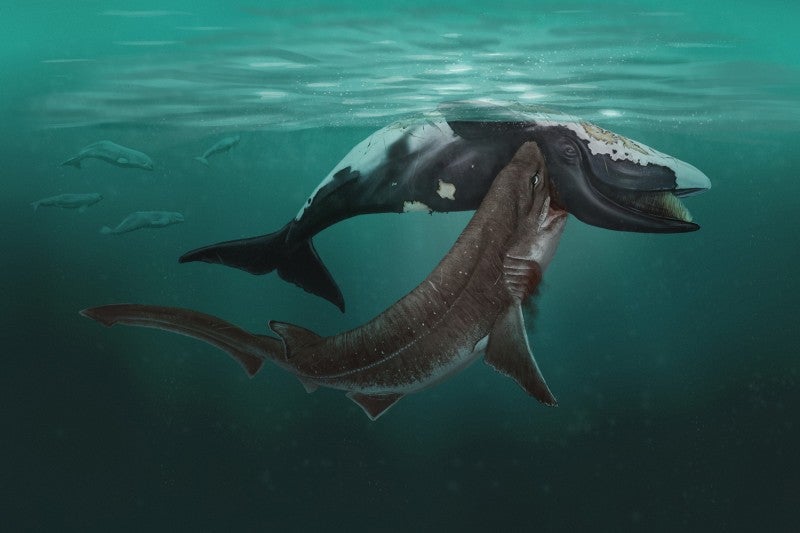
- CT scans revealed a sixgill shark tooth fragment in a right whale skull, suggesting scavenging behavior as the whale was likely dead and floating when bitten, while a great white shark relative's tooth in a juvenile monodontid skull indicates a powerful, possibly predatory attack.
- The absence of healing in both skulls shows the whales did not survive the encounters, but it remains unclear whether the sharks killed them or scavenged after death, highlighting the rarity of direct fossil evidence in paleontology.
- These findings shed light on a richer ancient North Sea ecosystem where large predatory sharks and whales regularly interacted, contrasting with the modern absence of such sharks in the region due to climate and habitat changes.
- The study, published in Acta Palaeontologica Polonica, offers valuable insights into how marine predator-prey dynamics have shifted over time and may inform predictions about how ongoing climate change could alter marine food webs in the future.


