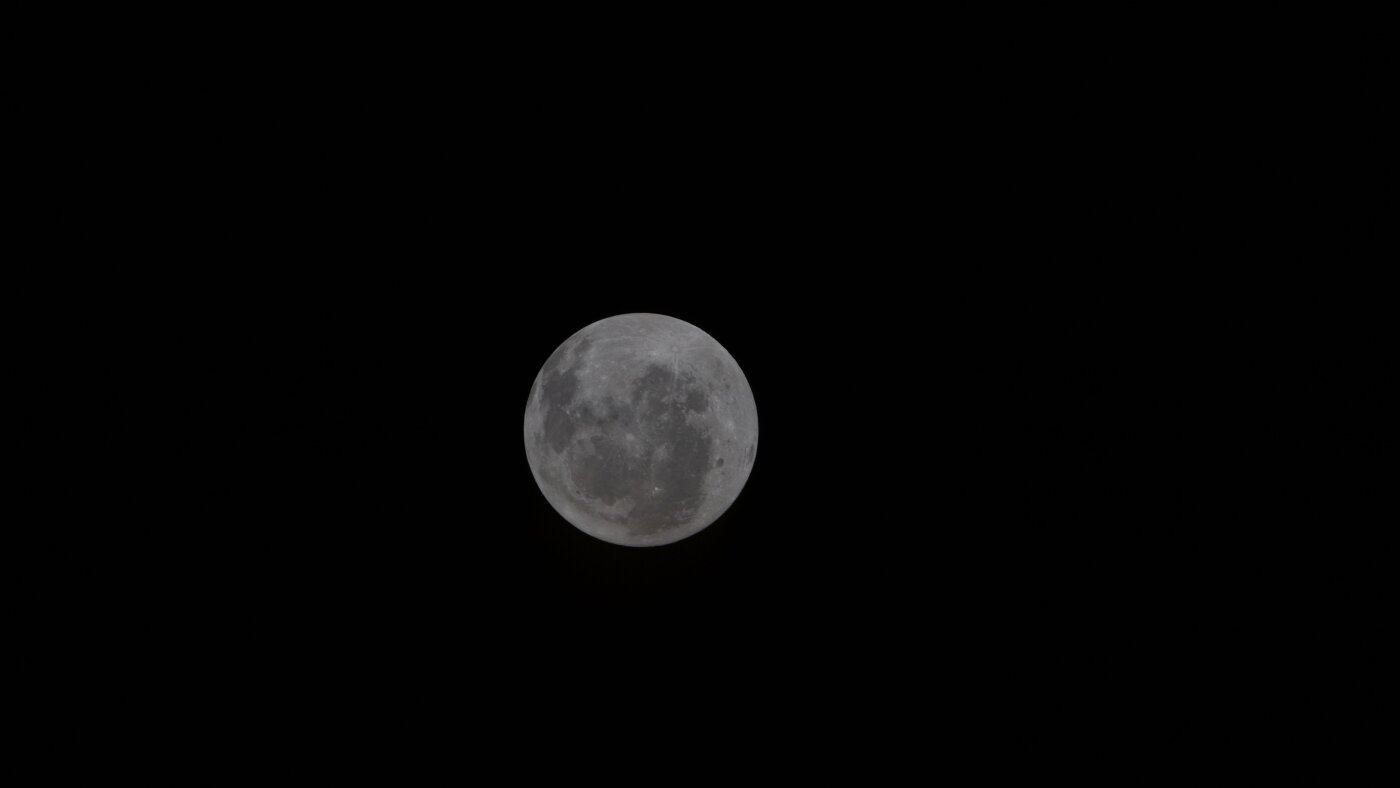
What can Artemis II astronauts see that satellites haven't captured?
NPR • • science
Key Points:
- NASA's Artemis II mission crew is conducting a lunar flyby, marking the farthest humans have traveled into space, surpassing Apollo 13's distance record at 248,655 miles.
- The astronauts will observe the moon's far side, illuminated about 21%, and witness a solar eclipse from space, providing unique visual data not captured by satellites.
- Artemis II has 10 scientific objectives, including detailed human observations of lunar color variations and topography, leveraging the astronauts' trained eyes to detect subtle nuances.
- The crew will observe around 35 geological features in real time, including Apollo 12 and 14 landing sites and a glimpse of the lunar south pole, with live commentary accessible to the public.
- Although the spacecraft will remain about 4,070 miles from the moon's surface, this distance allows comprehensive views of the lunar disc under varying illumination, supported by high-quality onboard cameras expected to capture thousands of images.


.png?format=webp&w=120&h=80)


