AI Image
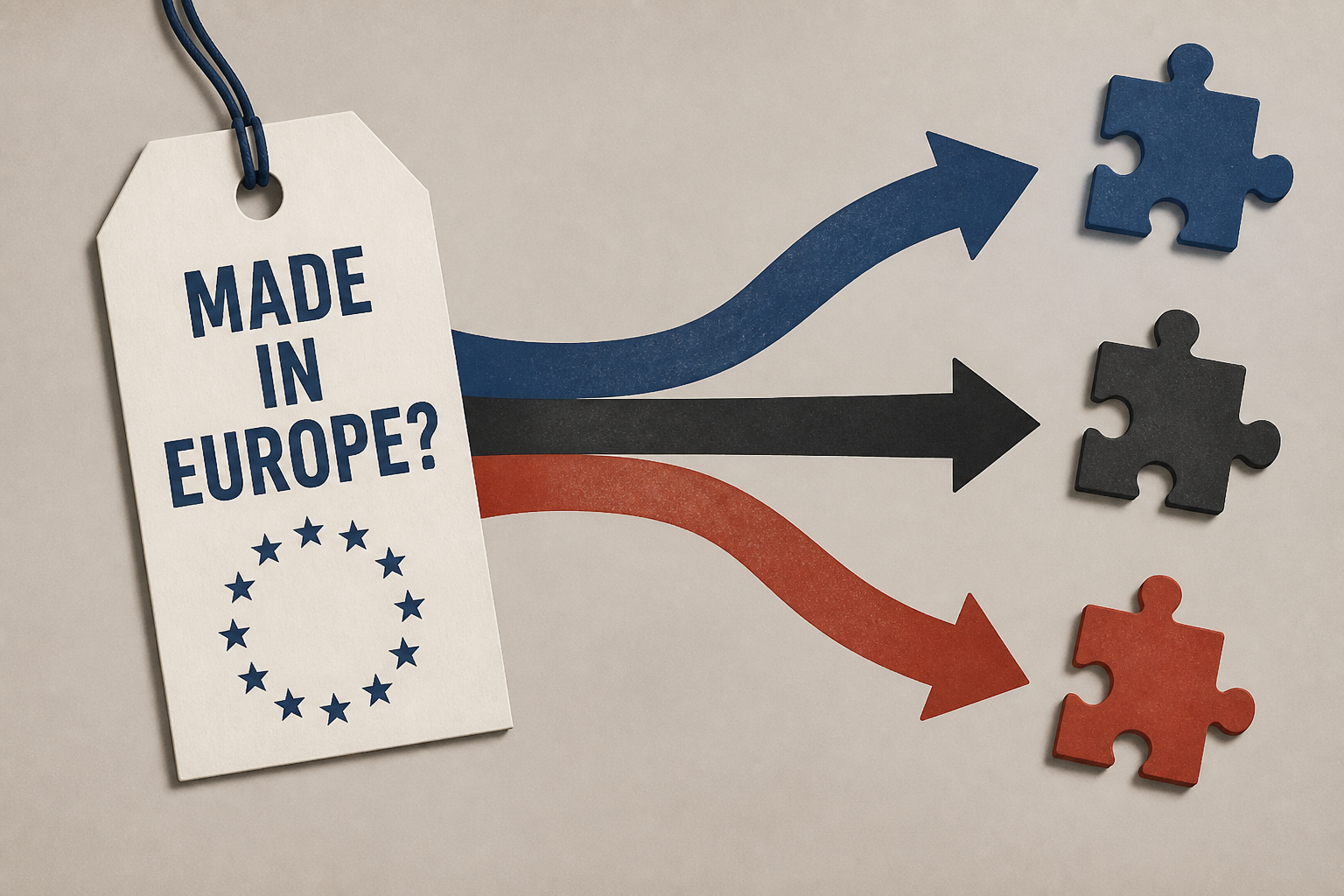
What counts as ‘Made in Europe’? France, Germany and Spain are divided
Euronews.com • • world
Key Points:
- France, Germany, and Spain are divided over the definition of "Made in Europe" as the EU prepares the Industrial Accelerator Act to prioritize European-made products in public contracts amid competition from China.
- France advocates for a strict EU-only preference, while Germany supports a broader definition including trading partners with reciprocal access agreements, such as Norway, Switzerland, and Canada.
- Spain proposes a compromise that categorizes preferences into three groups: EU members, European Economic Area and trusted partners, and countries with free trade agreements or critical component supplies.
- Italy favors a European preference that includes strategic partners, emphasizing a balanced approach to safeguard industrial value chains.
- Ireland, holding the EU Council presidency, aims to mediate a consensus among member states by December.


