AI Generated Image
What does Cyclospora do to the human body? : NPR
NPR • • general
Key Points:
- The U.S. is experiencing its largest-ever outbreak of cyclosporiasis, with over 10,000 cases in Michigan alone and reports from 45 states, primarily linked to contaminated lettuce and other produce.
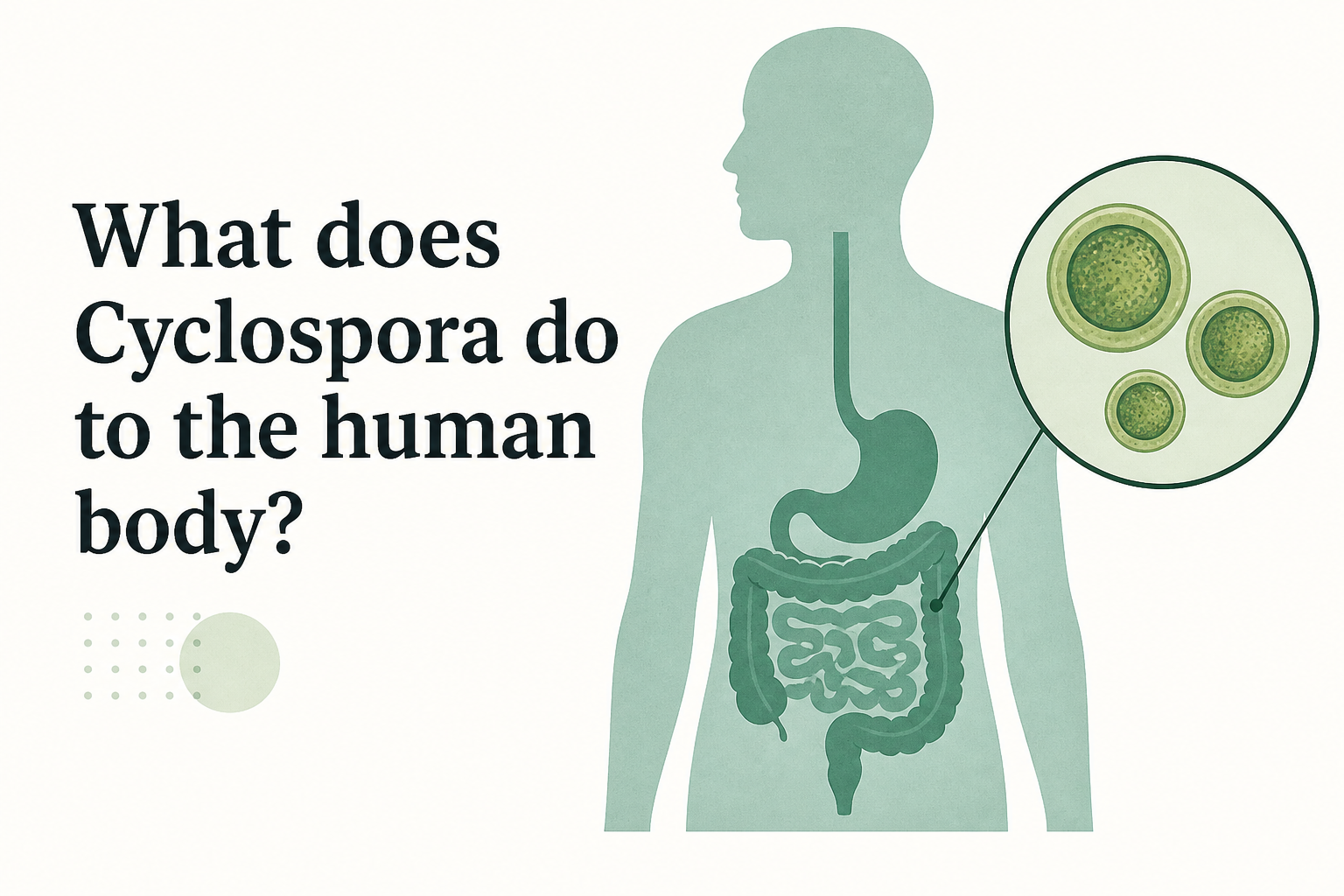
- Cyclospora parasites require the human gut to reproduce, invading intestinal cells and causing symptoms like nausea and diarrhea; infections can last weeks or months and are difficult to eradicate without specific antibiotics.
- The parasite's hardy oocysts are shed in human waste but only become infectious after maturing in the environment, contaminating food and water through soil, irrigation, or handling, and surviving common cleaning methods.
- Outbreaks are often tied to imported produce from regions with poor sanitation, but the reason for the unprecedented scale of this year's outbreak remains unclear, with investigations ongoing into sources like lettuce from Taylor Farms and herbs like parsley and cilantro.
- Although cyclosporiasis is rarely fatal and immunity may develop over repeated exposures, the widespread contamination poses significant public health challenges, prompting recalls and efforts to identify and control additional sources of infection.


