AI Image
What is optogenetics? Nobel Prize winner Karl Deisseroth explains how light could help treat brain disorders
WBUR • • nation
Key Points:
- The 2026 Nobel Prize in Physiology or Medicine was awarded jointly to Karl Deisseroth, Peter Hegemann, and Georg Nagel for their pioneering work in optogenetics, a technique that uses light to control the activity of individual neurons and link them to specific behaviors.
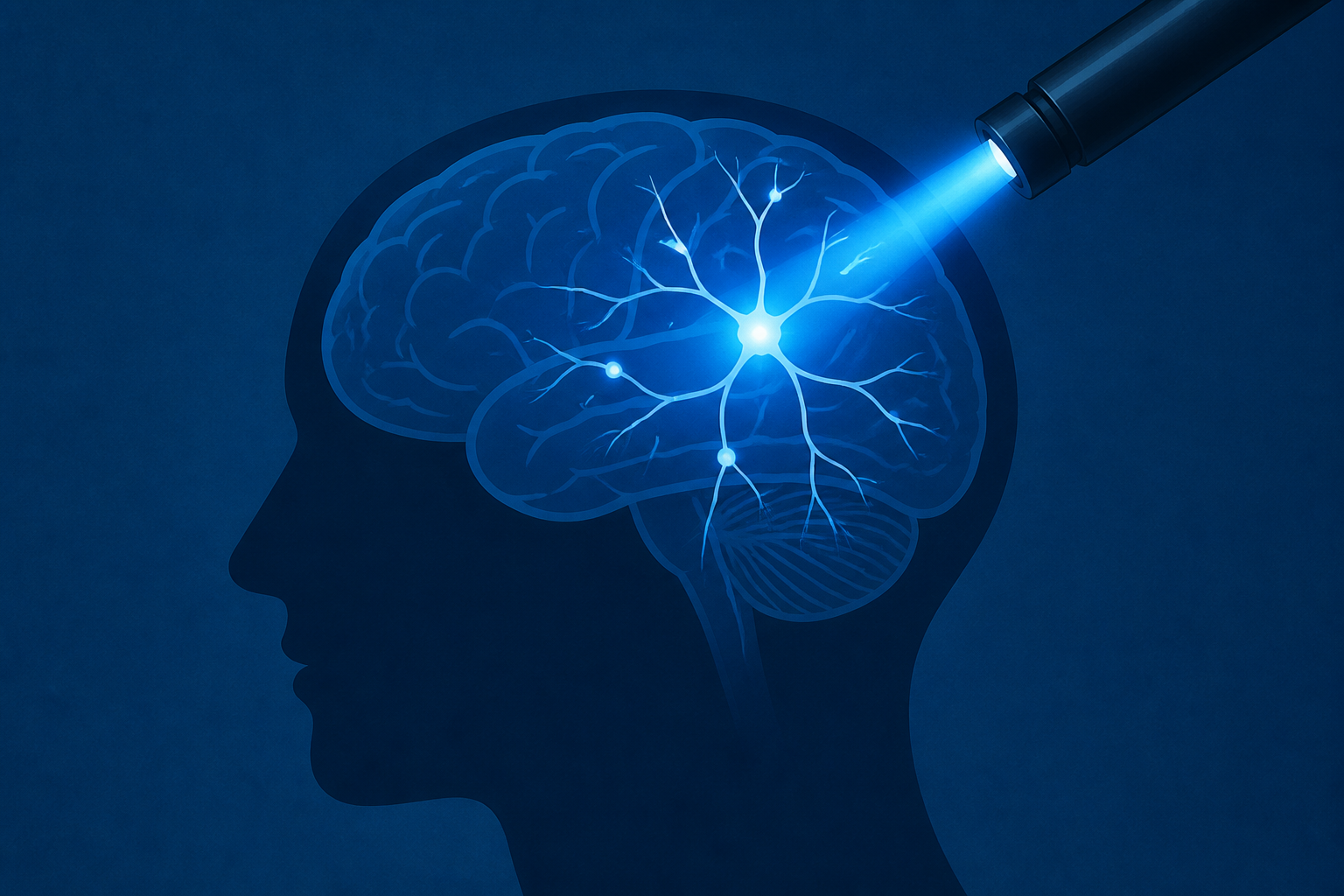
- Karl Deisseroth explained that optogenetics involves introducing a gene from algae into brain cells, making them light-sensitive and allowing researchers to turn these cells on or off with light to study brain function in real time.
- This technology helps scientists understand the neural basis of behavior and decision-making by revealing how different cells and circuits in the brain prioritize actions like hunger, aggression, or nurturing.
- As a psychiatrist, Deisseroth emphasized that optogenetics offers new hope for explaining and treating mental health conditions by identifying the specific brain cells involved, potentially leading to targeted therapies.
- Optogenetics has already been applied in clinical settings, such as restoring some vision in patients with retinitis pigmentosa, demonstrating its potential for developing precise medical treatments based on a deeper understanding of brain cell function.


