AI Generated Image
What really happens after Ukraine strikes a Russian oil refinery? Meduza analyzed unique satellite data to assess the damage.
Meduza — Новости • • world
Key Points:
- Ukraine's drone strikes on Russian refineries have variable impacts, sometimes causing months-long production halts, though official data on damage is scarce, making indirect sources like exchange trading and satellite thermal imaging crucial for assessment.
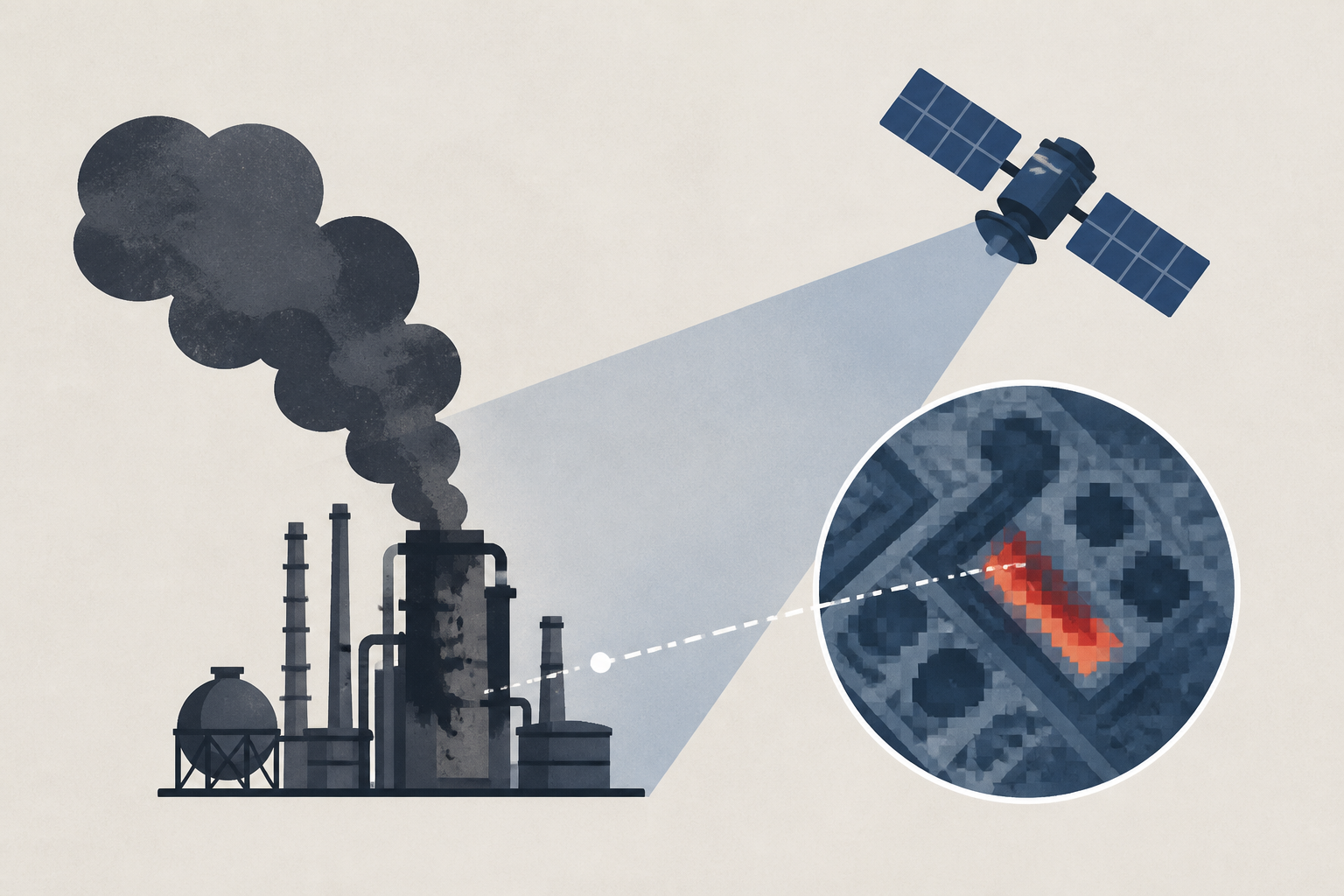
- High-resolution infrared satellite data from Constellr's Skybee satellites, with 30-meter resolution, enables detailed observation of refinery equipment temperatures, revealing operational status and shutdowns of specific units following attacks.
- Analysis of the Kstovo refinery shows multiple drone strikes damaged key processing units, notably AVT-6, causing prolonged shutdowns and reduced fuel sales, though other units remained operational, allowing partial production continuity.
- At the Kapotnya refinery in Moscow, thermal images indicate a significant shutdown of processing units after a June 16 strike, consistent with reports of extensive damage; however, petroleum product trading resumed relatively quickly, suggesting either brief maintenance shutdowns or fuel supply from other refineries.
- The satellite data combined with trading information underscore the complexity of assessing strike impacts, highlighting the need for ongoing thermal imaging to clarify operational status and the strategic resilience of Russian refineries amid attacks.


