AI Generated Image
What the science says about the origins of COVID-19 : NPR
NPR • • world
Key Points:
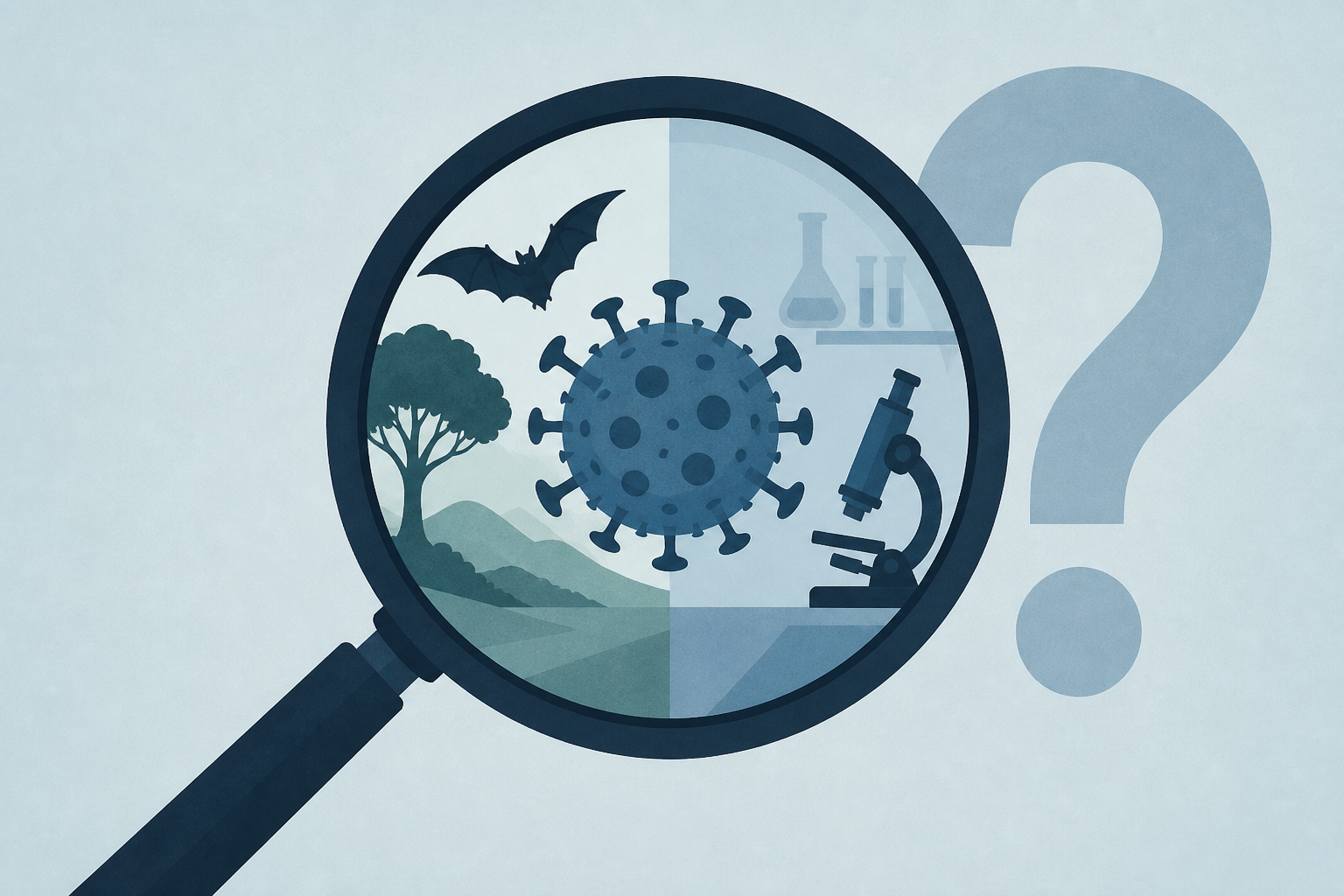
- Sen. Rand Paul confronted Dr. Anthony Fauci during a Senate hearing, reigniting debate over COVID-19's origins, with Fauci supporting animal-to-human transmission and Paul promoting the lab leak theory linked to the Wuhan Institute of Virology.
- Scientific consensus, including a 2025 WHO report and peer-reviewed studies in Cell and Science, strongly supports a zoonotic origin of the virus, pinpointing a wet market in Wuhan as the initial outbreak site rather than a laboratory.
- Some U.S. intelligence agencies express moderate confidence in the lab leak theory, but virologists largely agree on animal spillover, citing detailed geographic and epidemiological evidence.
- The WHO and many scientists emphasize the need for open investigation and access to data, acknowledging that the origins remain inconclusive without further information from China or other sources.
- Concerns have been raised that political focus on the pandemic's origins, particularly targeting Fauci, may undermine public trust in science, threaten research funding, and weaken preparedness for future pandemics.


