AI Image
What's holding up the pandemic treaty? : NPR
NPR • • nation
Key Points:
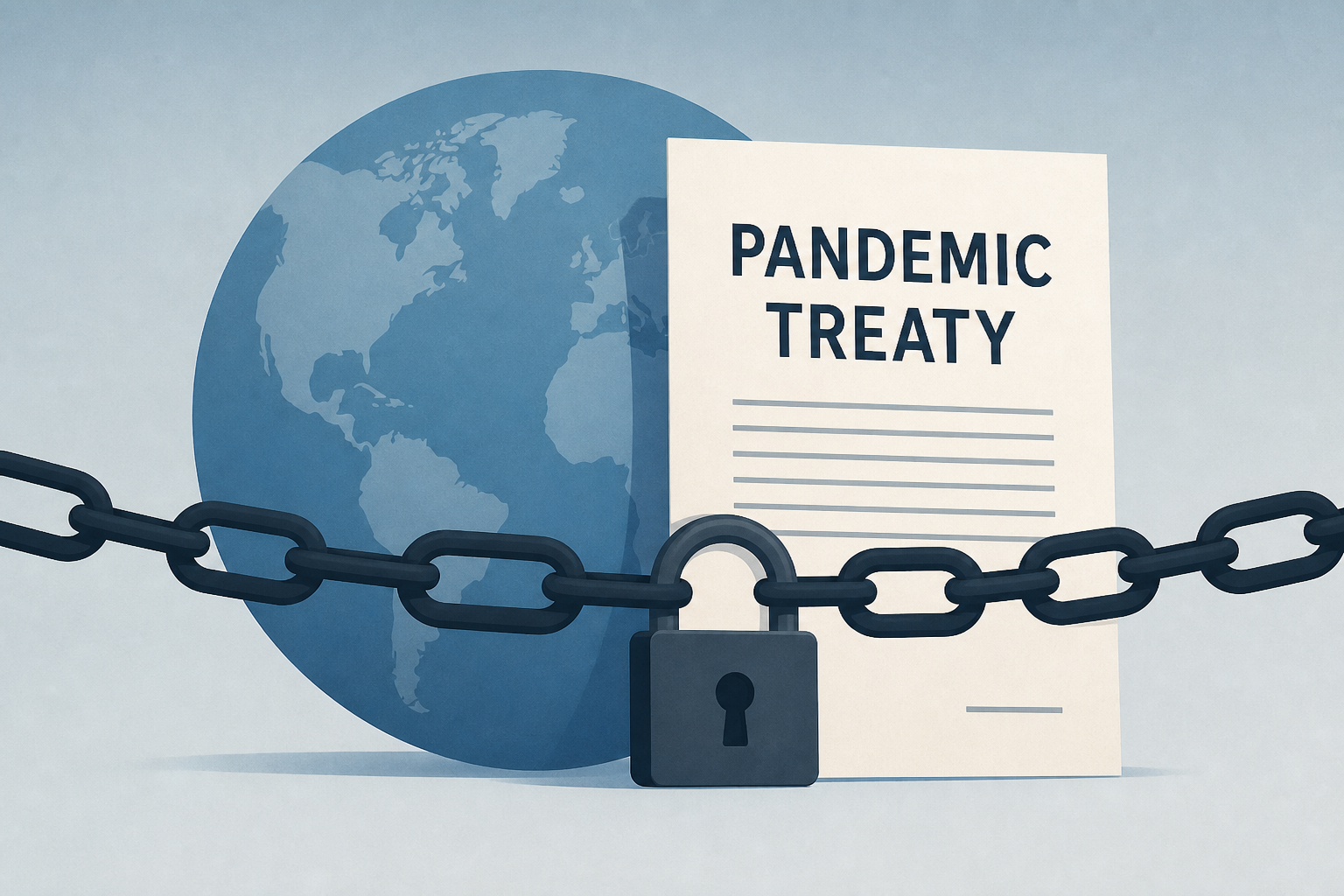
- The WHO's pandemic agreement, adopted in May 2025 to improve global preparedness for future health crises, remains stalled due to unresolved disputes over equitable access to pathogen data and resulting medical products.
- Central to the deadlock is the Pathogen Access and Benefit Sharing annex (PABS), with wealthy nations prioritizing rapid data sharing for swift product development, while lower-income countries demand guarantees of fair access to vaccines, drugs, and diagnostics derived from shared data.
- Proposals for a compromise include attaching equity conditions to products developed from pathogen data rather than restricting access to the data itself, though some experts argue this weakens lower-income countries' bargaining power.
- Negotiations continue with a May 2027 deadline at the World Health Assembly, but concerns remain that delays and the U.S.'s absence from the process—opting instead for bilateral agreements—could undermine the global framework.
- Experts emphasize the urgency of reaching an agreement soon to avoid repeating the inequities seen during COVID-19 and to ensure a more effective, equitable pandemic response in the future.


