AI Image
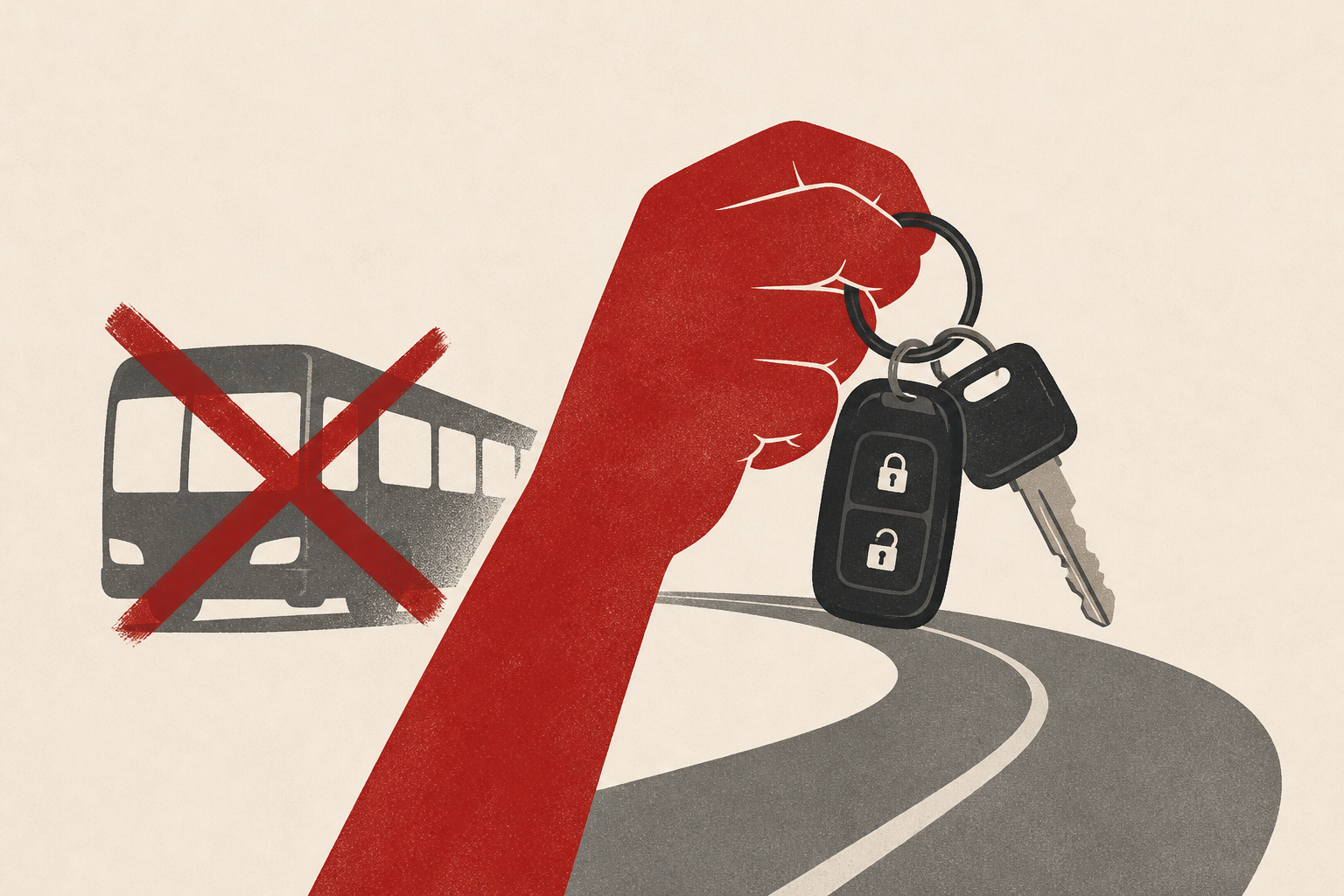
When buses stopped running on Brazil election day, 'Lula's Army' grabbed their car keys
Yahoo • • world
Key Points:
- In Salvador, Brazil, a sudden halt of public buses on election day prompted grassroots efforts, including rides from volunteers and free Uber rides, to help voters reach polling stations, contributing to President Luiz Inacio Lula da Silva's decisive runoff victory.
- Lula's campaign, initially underperforming in the first round, revitalized its strategy by leveraging social media, expanding WhatsApp outreach, and addressing voter concerns about threats to democracy and social welfare under Bolsonaro.
- Bahia state, a Lula stronghold, saw a significant drop in abstention rates with nearly 400,000 more voters in the runoff, particularly in Salvador where Lula won 73% of votes despite transportation disruptions.
- Salvador's mayor, a Bolsonaro supporter, blamed bus service interruptions on the removal of Lula campaign stickers, while the electoral court briefly arrested the city's transportation chief and ordered an investigation into the incident.
- The bus outage galvanized community mobilization, with activists and drivers organizing transport for voters, illustrating the impact of grassroots political engagement in overcoming logistical challenges during elections.


