AI Generated Image
Why Australia's giant cuttlefish mating season has gone silent
BBC • • world
Key Points:
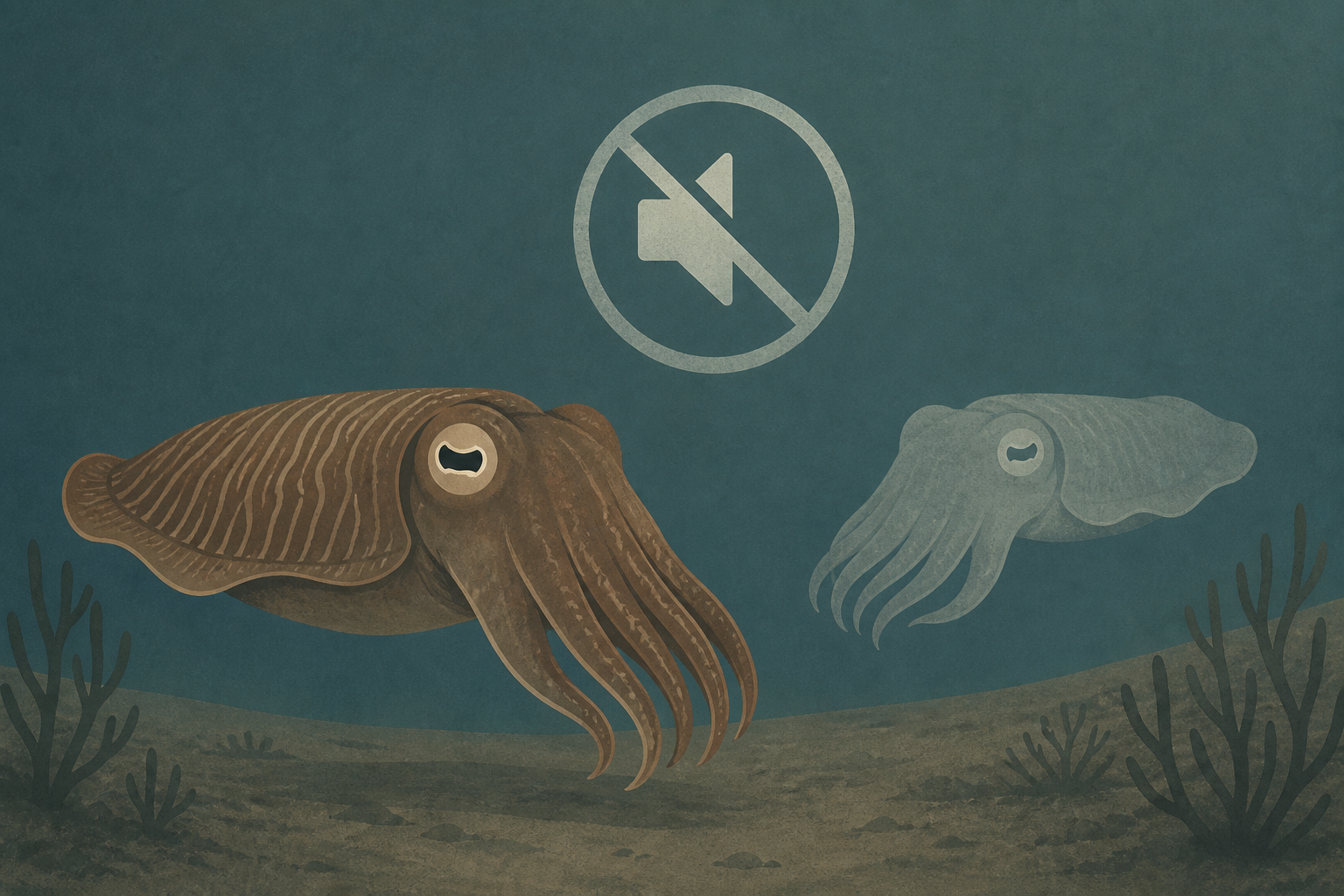
- The annual mating season along Australia's Cuttlefish Coast saw a record low turnout this year, with only 1,811 cuttlefish observed compared to 63,000 last year, marking a 97% decline.
- A toxic algal bloom affecting South Australia's coastline for over 18 months is suspected to be the primary cause of this drastic reduction, severely impacting the cuttlefish population and breeding success.
- Divers counted only 440 eggs during surveys, a stark contrast to the millions typically laid, raising concerns about the species' ability to recover given that adult cuttlefish die after breeding.
- The algal bloom, driven by ocean warming, marine heatwaves, and nutrient pollution linked to climate change, has damaged marine habitats, signaling broader ecosystem distress.
- Conservationists are advocating for the giant Australian cuttlefish to be listed as a threatened species due to the significant population decline and low breeding activity observed this season.


