AI Image
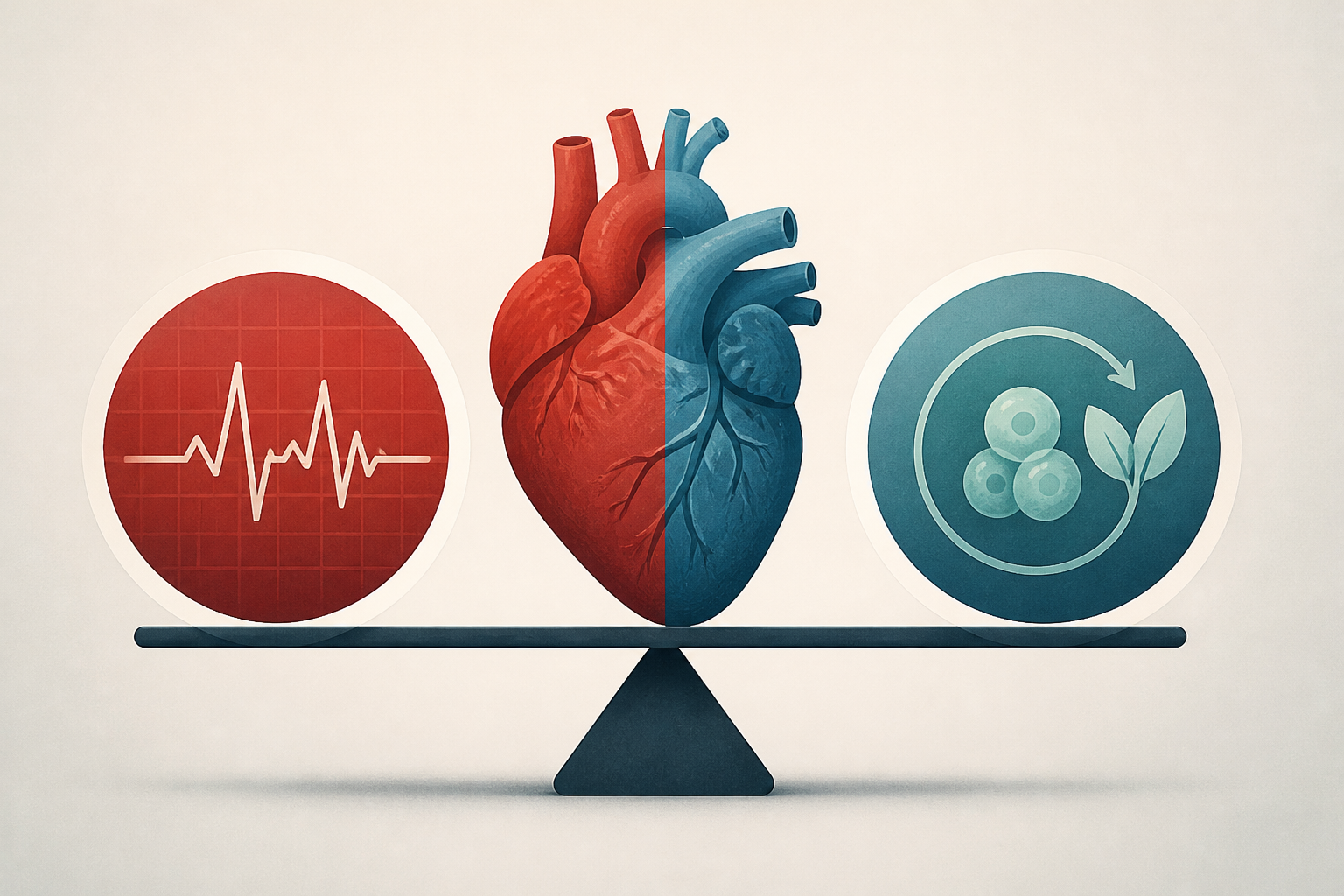
Why can't the heart repair itself? Study reveals a fundamental trade-off between beating and regeneration
Medical Xpress • • science
Key Points:
- A new study from the Centro Nacional de Investigaciones Cardiovasculares Carlos III (CNIC) reveals that the human heart's continuous contraction limits its ability to regenerate damaged tissue, as cardiomyocytes prioritize function over cell division.
- Researchers found that temporarily pausing cardiomyocyte contraction disassembles sarcomeres and induces the cells to reenter the cell cycle, significantly increasing their capacity to divide and regenerate.
- This process is accompanied by a metabolic shift from energy-intensive contraction to a glycolytic state, facilitating cell division; restoring contraction reverses these changes and halts proliferation.
- The study identifies a fundamental biological trade-off between heart muscle contraction and regeneration, suggesting that the heart’s limited repair ability is actively maintained by its structural and metabolic demands.
- Although clinical applications are not immediate, these findings open new avenues for developing therapies that could stimulate the heart’s regenerative potential after injury without compromising its essential function.


