AI Image
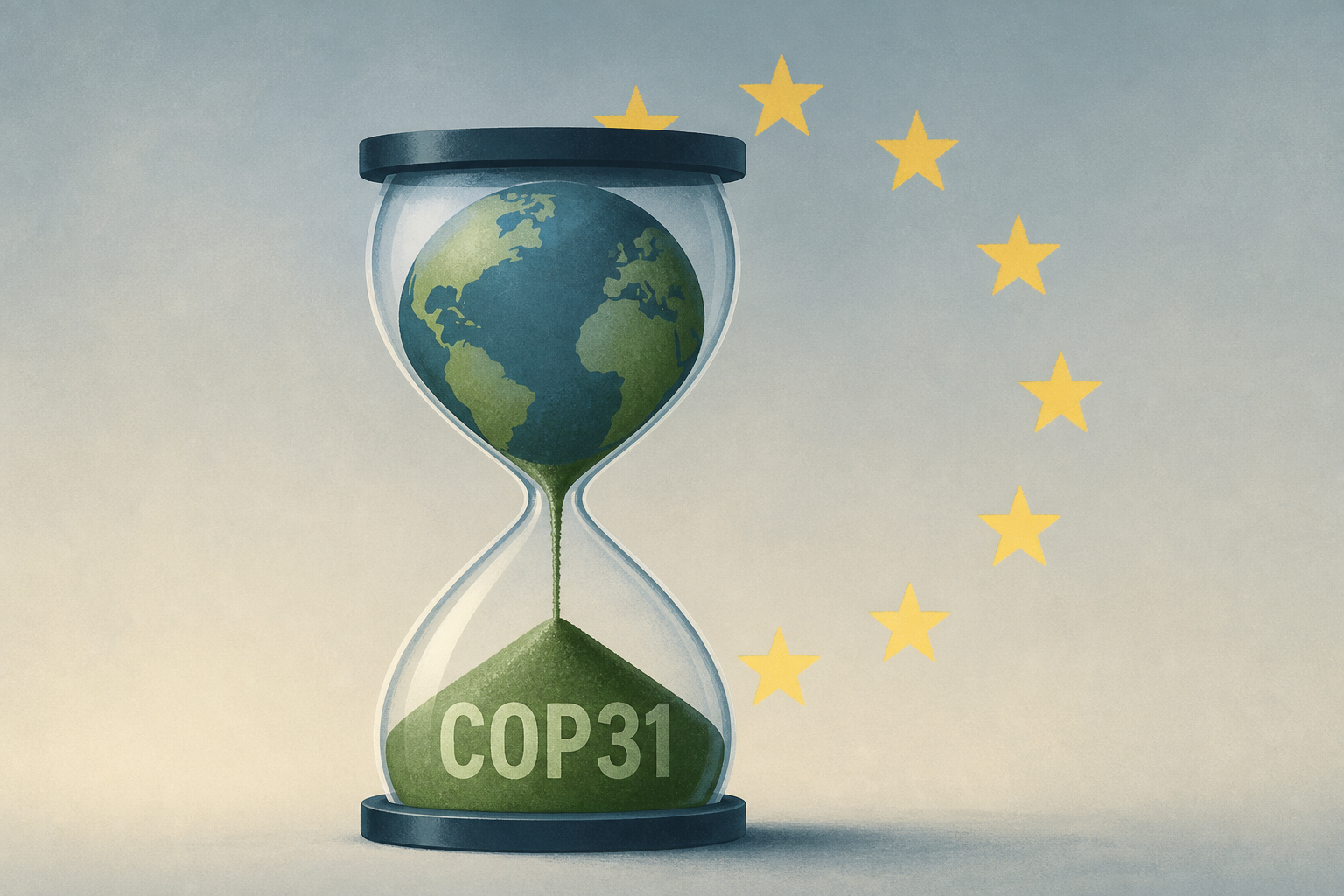
Why COP31 may be the EU’s last great climate hurrah
POLITICO.eu • • world
Key Points:
- The EU aims to strengthen its influence in international climate negotiations, particularly at the upcoming COP31 in Turkey and the pivotal 2028 summit, but risks losing unity due to anticipated far-right election victories in major member states.
- Far-right parties in France, Spain, Italy, and Poland have expressed strong opposition to current climate policies, criticizing the UN climate process and advocating for scaling back emissions reduction efforts and climate finance, which could undermine EU cohesion and leadership.
- The EU has adopted a more coordinated and strategic approach for COP31, including a unified communication strategy and a consolidated "EU village" to enhance its negotiating power and long-term climate diplomacy focused on the 2028 Global Stocktake.
- Economic pressures and rising far-right influence are pushing some EU governments toward more cautious climate policies, with potential cuts to overseas climate aid threatening global climate finance commitments and international cooperation.
- Key upcoming elections—Spain's in November, France's presidential race in spring, and Poland's parliamentary vote—feature far-right and nationalist parties that oppose or seek to roll back EU climate initiatives, posing a significant challenge to the bloc's climate ambitions.


