AI Image
Why do the US midterms matter for Trump and Congress?
Al Jazeera • • nation
Key Points:
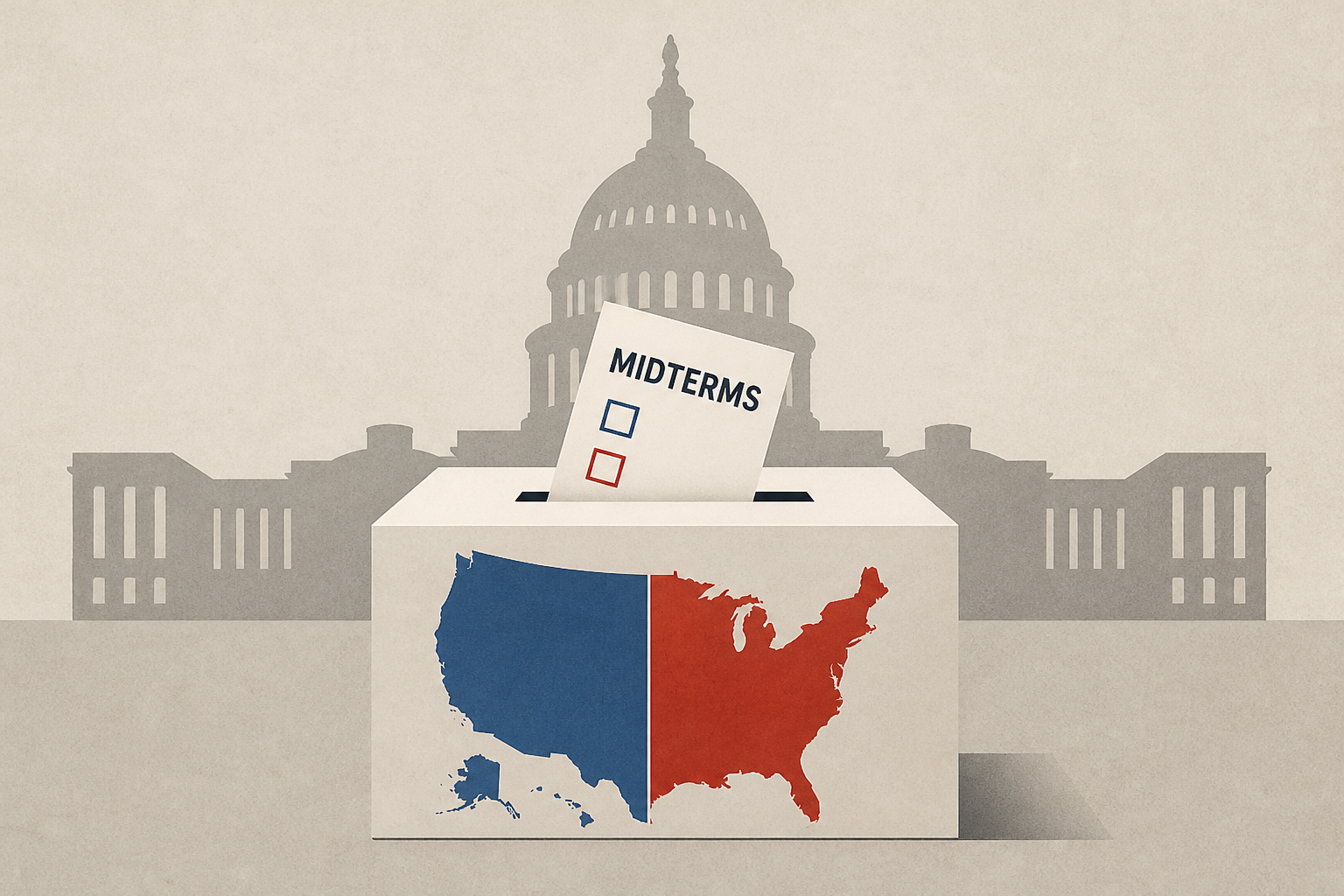
- The U.S. midterm elections on November 3 will decide which party controls Congress, influencing the legislative agenda and shaping the final two years of President Trump's term, with all 435 House seats and 35 Senate seats up for grabs.
- Democrats are favored to win the House majority by up to 15 seats, while their chances of securing the Senate majority have improved due to competitive races in traditionally Republican states; a Senate majority requires 51 seats due to the Vice President’s tie-breaking vote.
- Control of Congress affects legislative power, but passing laws often requires a 60-vote supermajority in the Senate to overcome filibusters, and the President retains veto power, which can only be overridden by a two-thirds majority in both chambers.
- If Republicans maintain control, they can continue supporting Trump's agenda, including federal appointments and legislation, though some lawmakers may distance themselves from Trump ahead of the 2028 elections; if Democrats take control, they are expected to block Trump’s proposals and pursue a defensive legislative approach.
- Democratic control could lead to increased investigations into Trump and potential impeachment efforts, though conviction in the Senate requires a two-thirds majority; changes on key issues like the Iran conflict and the economy would likely be gradual and face significant hurdles, including presidential vetoes.


