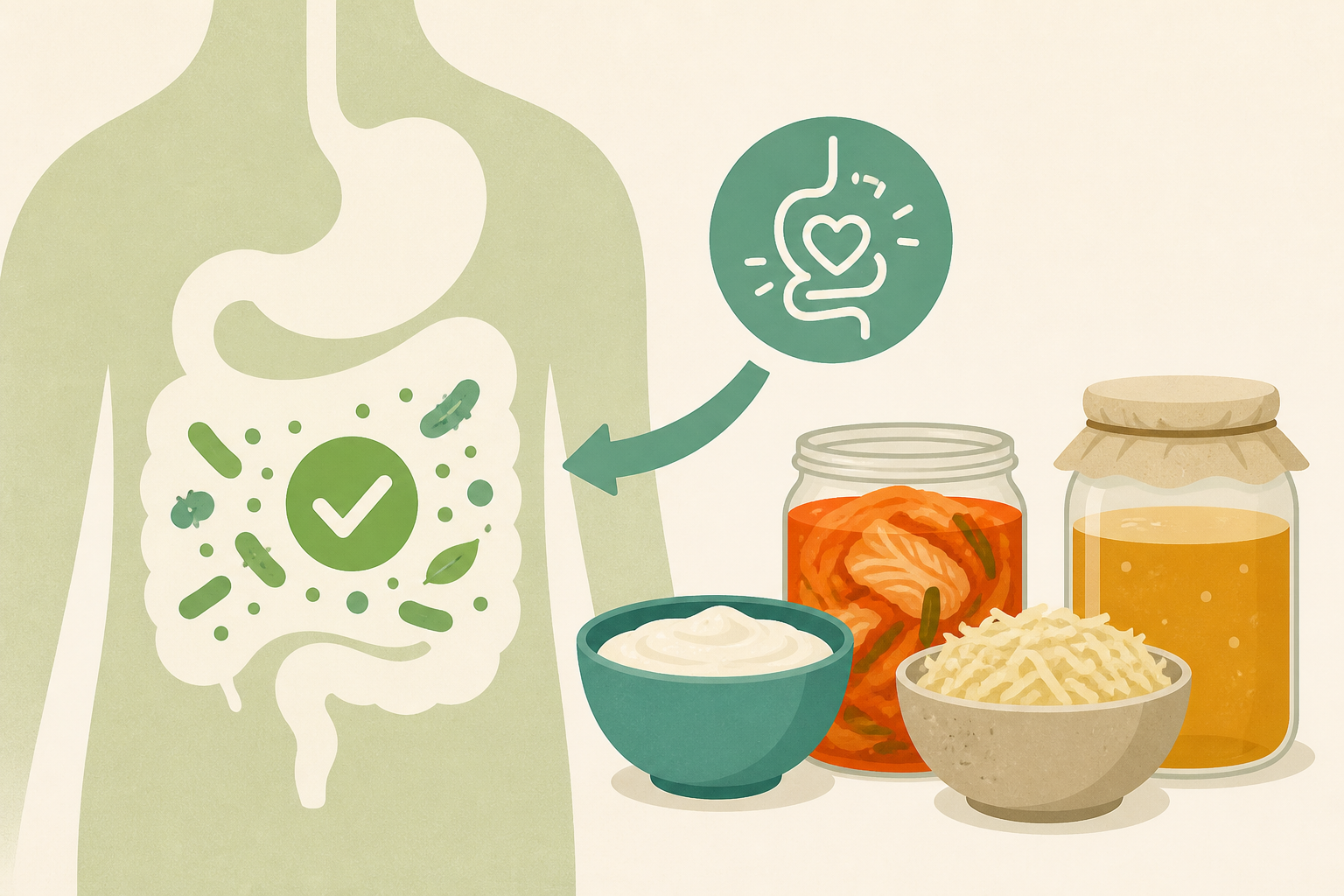
AI Generated Image
Why fermented foods are so good for your gut, and 5 ways to eat more of them
Yahoo • • health
Key Points:
- Fermented foods, found in almost every culture, are made through microbial processes that preserve food and enhance flavors, and are now gaining popularity due to their nutritional benefits such as reducing inflammation and improving gut health.
- These foods are rich in probiotics, which produce essential nutrients like vitamins K and B, increase mineral bioavailability, and support digestion, contributing to a diverse and healthy gut microbiome linked to lower chronic disease risk.
- Not all fermented foods contain live microbes; for example, chocolate and coffee undergo fermentation that enhances their flavor and polyphenol bioavailability, even though roasting kills the microbes.
- Experts recommend consuming one to three servings of a variety of fermented foods daily to maximize health benefits, while being cautious with high-sodium options like sauerkraut and kimchi, especially for individuals with hypertension or compromised immune systems.
- Practical ways to incorporate fermented foods include using kefir in dressings, adding kimchi or sauerkraut to meals, making homemade fermented pickles, and enjoying fermented staples like yogurt, coffee, and dark chocolate.


