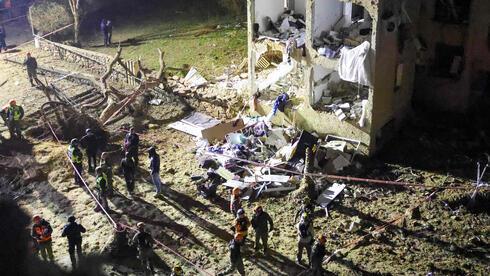
Why Israel's defense shield failed over Dimona and Arad
ynetnews • • world
Key Points:
- Iran has intensified ballistic missile launches toward Israel in the fourth week of the ongoing conflict, prompting Israel to use a broader range of interceptors in its air defense strategy, including Arrow 3 and David’s Sling systems.
- Israel’s primary defense, the Arrow 3 interceptor, targets missiles outside the atmosphere to minimize debris and submunition damage, but recent missile attacks releasing submunitions at lower altitudes have caused shrapnel impact and damage within Israeli territory.
- David’s Sling, upgraded to counter medium-range and some ballistic missiles, was employed in recent attacks on Dimona and Arad but failed to intercept all missiles, though officials do not consider this a systemic failure given past successful interceptions of similar missile types.
- The choice of interceptor use is influenced by operational considerations and stockpile availability, with Arrow 3 interceptors being more costly but more effective at high-altitude interceptions, while expanding David’s Sling capabilities has drawn criticism for increasing ground-level damage.
- Since the conflict began, Iran has fired approximately 440 ballistic missiles at Israel, with a reported 92% interception success rate; however, injuries in targeted cities were partly attributed to civilians not following shelter-in-place orders despite advance warnings.


