AI Image
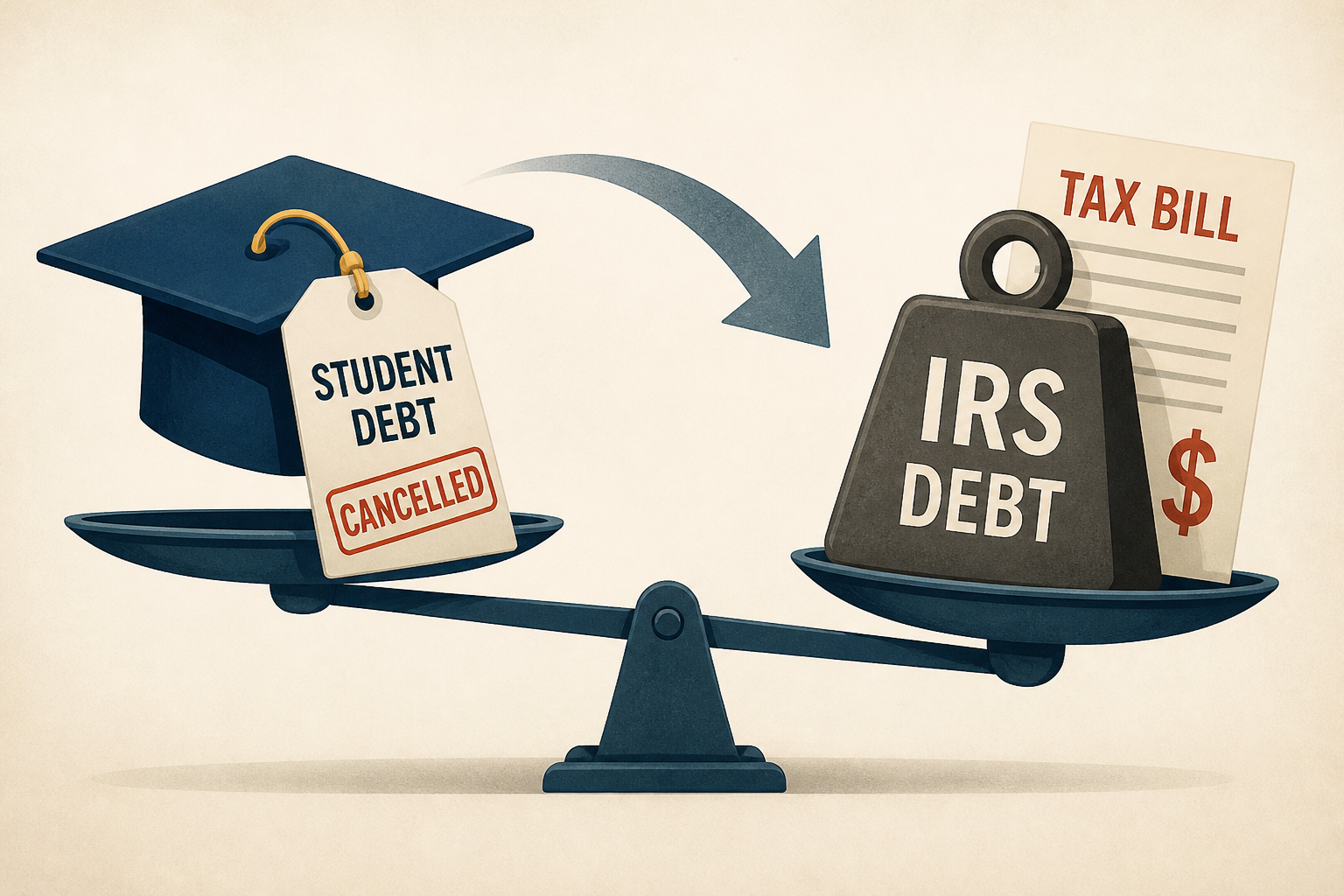
Why loan cancellation may be trading student debt into IRS debt
USA Today • • business
Key Points:
- The exemption of canceled federal student debt from federal income tax, which began in 2021, expired at the end of 2025, making canceled student debt taxable income again starting this year, potentially increasing tax bills significantly for borrowers.
- A study by Protect Borrowers estimates that up to 3 million middle- and working-class families could face doubled or tripled tax bills due to this change, with nearly 13 million borrowers enrolled in income-driven repayment (IDR) plans potentially affected.
- Tax increases from student loan forgiveness could range from $6,000 to $12,000 depending on income, family size, and tax status, with low-income families facing the greatest losses due to lost tax credits and increased liabilities.
- Despite the tax implications, experts say student loan forgiveness under IDR plans is generally still financially beneficial, as the tax owed on forgiven debt is usually much less than the original loan balance.
- Borrowers anticipating IDR forgiveness are advised to save for the potential tax bill, consult tax professionals for estimates, and consider IRS payment plans if unable to pay the tax at once, though IRS debt may carry higher interest and penalties than student loans.


