AI Image
Why the nor'easter’s storm surge was so high, and what it says about the El Niño winter ahead
The Conversation • • nation
Key Points:
- A powerful nor’easter in late September 2026 caused severe flooding and near-hurricane-force winds along the U.S. Atlantic Coast from North Carolina to New York, with Atlantic City experiencing its highest water level since Superstorm Sandy in 2012.
- The storm surge, driven by strong onshore winds, the storm's size, coastline shape, and ocean depth, was intensified by the nor’easter’s slow movement and was particularly severe in shallow bays like Raritan Bay and Delaware Bay.
- High tides, amplified by the gravitational effects of a full moon, coincided with the storm surge, causing repeated coastal flooding over multiple high tides during the nor’easter.
- Rising sea levels, especially along the U.S. East Coast due to post-glacial rebound and climate warming, have increased flood risks, making storms more damaging even if their intensity does not increase.
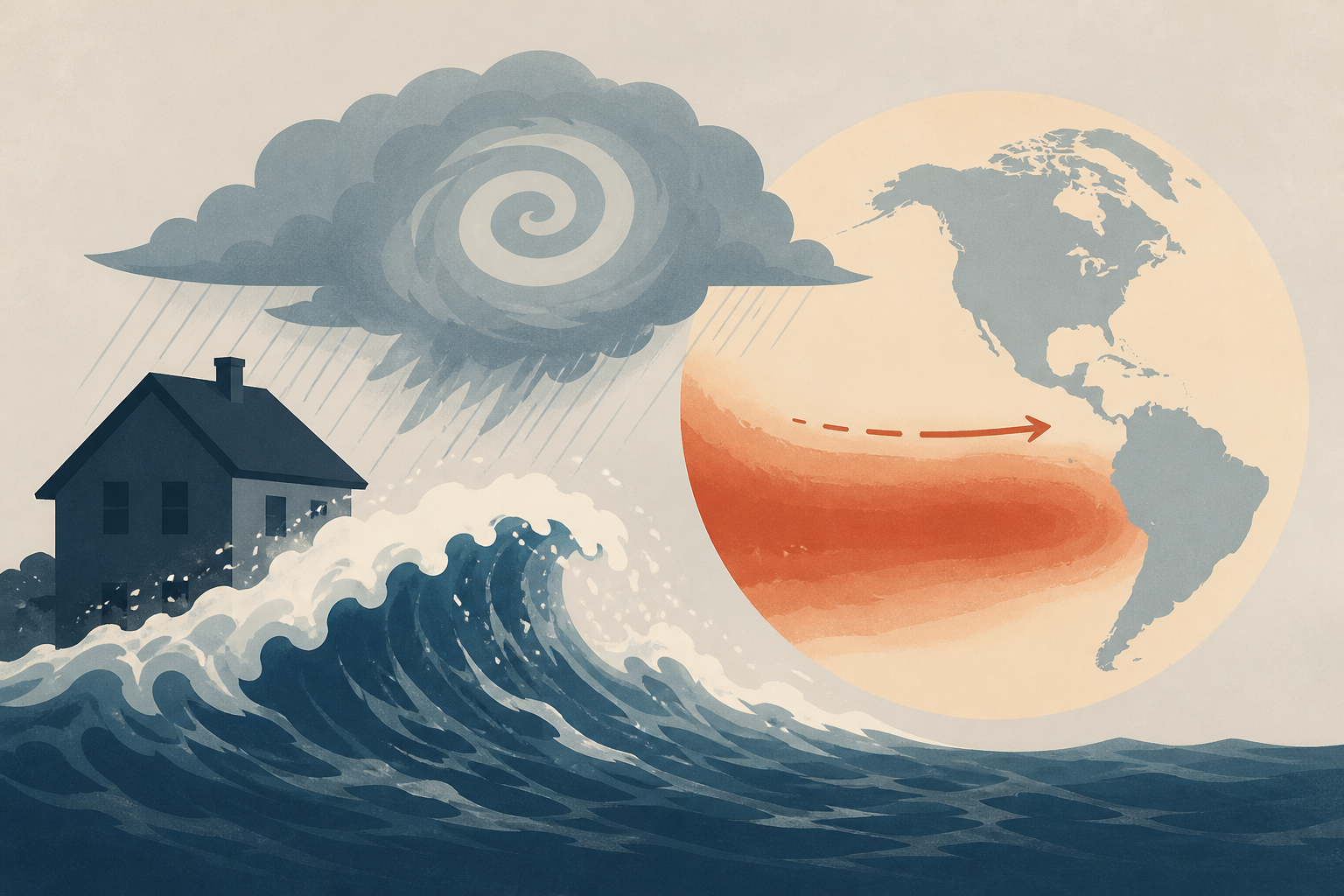
- With a strong El Niño developing, there may be an increased likelihood of heavy precipitation and nor’easters this winter, prompting residents in flood-prone areas to prepare proactively and stay informed through trusted weather sources and emergency management advice.


