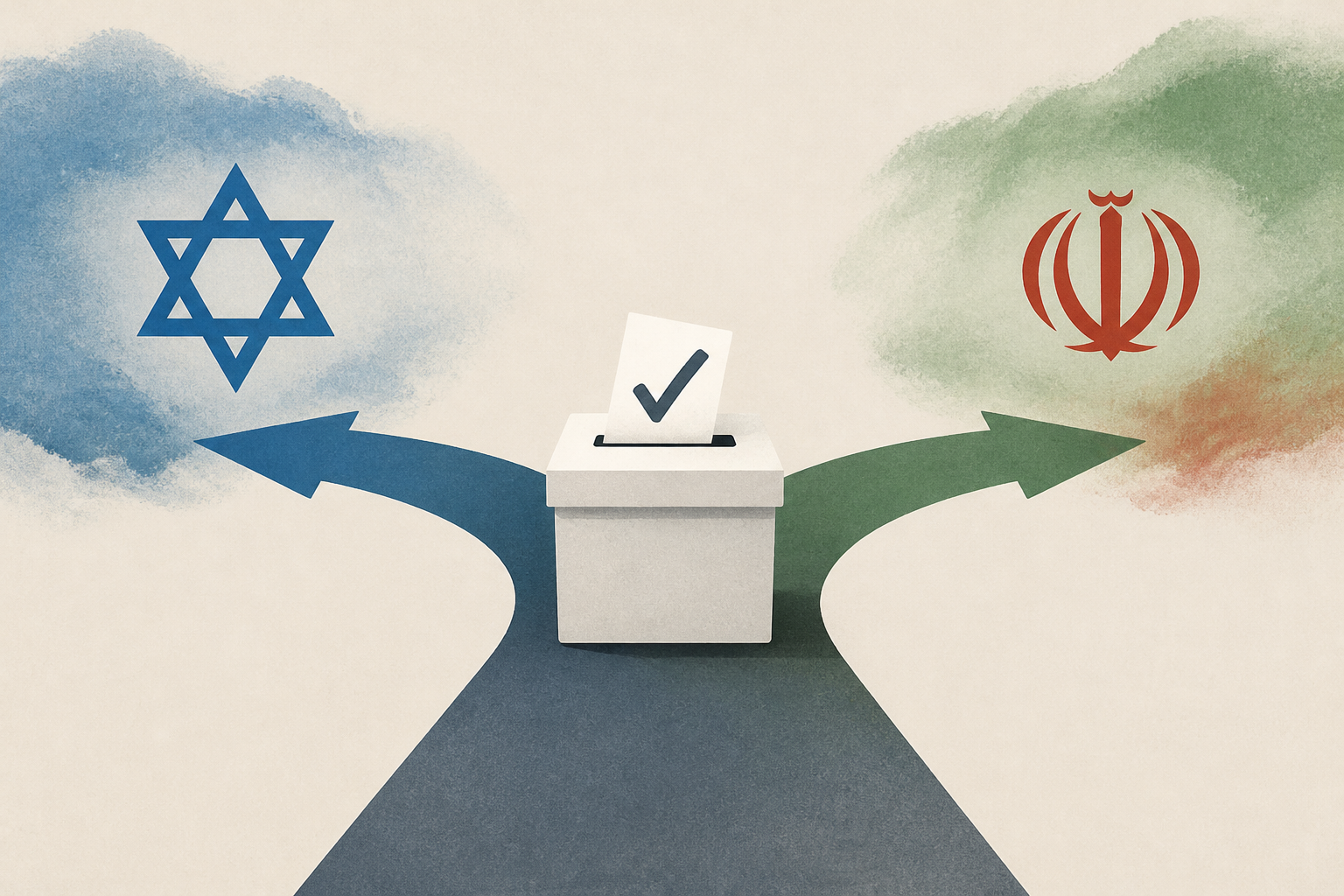
AI Image
Will elections in Israel change its Iran approach?
DW.com • • world
Key Points:
- Israel's general election on Tuesday is the first since the Hamas attack on October 7, 2023, with Prime Minister Benjamin Netanyahu seeking to retain power amid a deep regional security crisis involving Iran.
- Former US President Donald Trump strongly endorsed Netanyahu as a "warrior prime minister," warning that any other leader could weaken the US-Israel alliance, though reports suggest tensions between Israel and the Trump administration over military actions against Iran.
- Experts from the Institute for National Security Studies (INSS) indicate that Israel's policy toward Iran is unlikely to change dramatically regardless of the election outcome, with any escalation largely dependent on the US president’s decisions.
- The October 7 Hamas attack marked a turning point in Israel’s perception of Iran, shifting from a limited confrontation to viewing Tehran as a direct and existential threat, prompting US and Israeli strategies aimed at regime change, infrastructure collapse, and fomenting internal conflict in Iran.
- Although a diplomatic opportunity emerged six months ago with the Islamabad Memorandum, which included Iran's commitment not to initiate war against Israel, political will for diplomacy remains weak, and Israel currently shows little interest in returning to the nuclear deal framework.


