AI Image
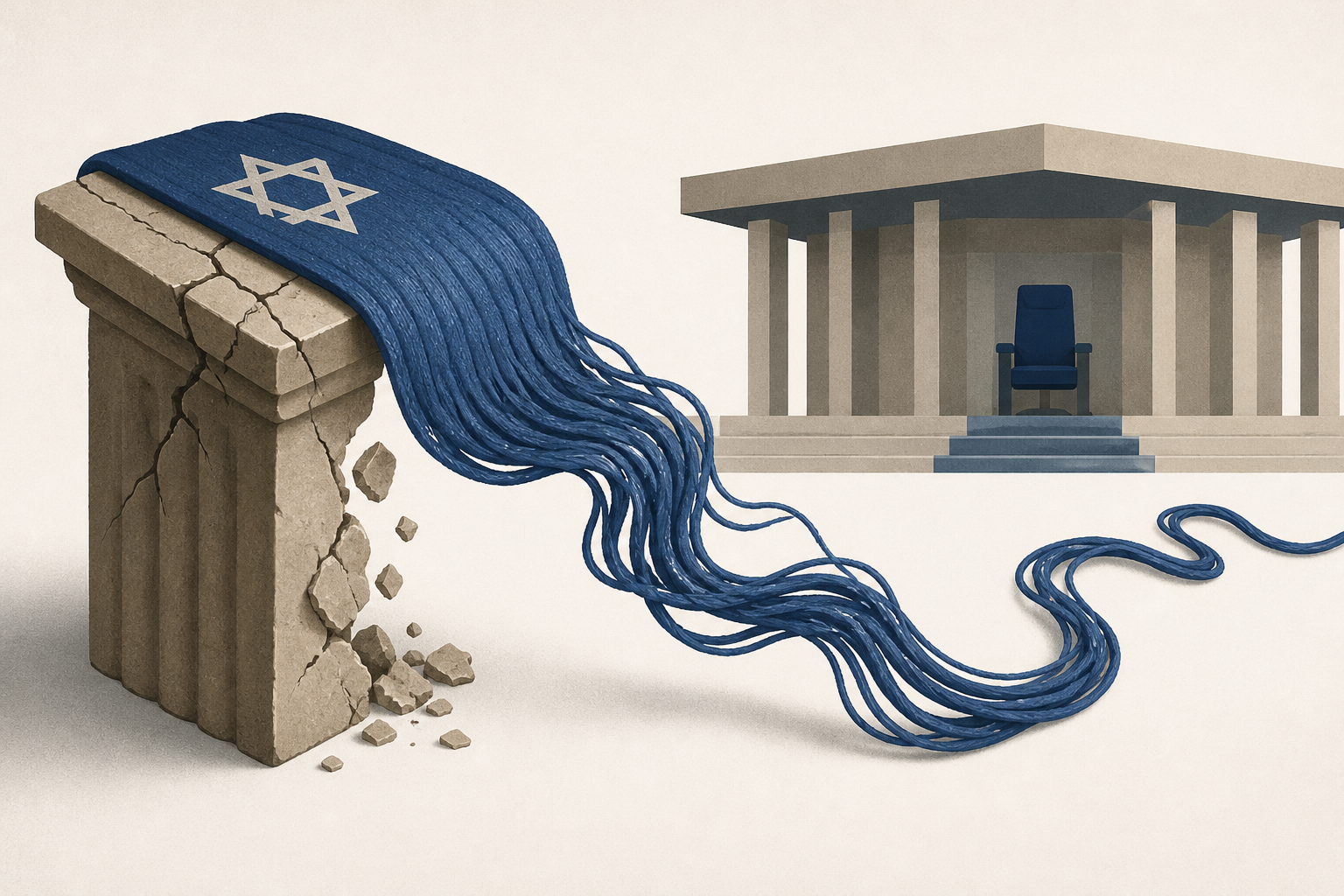
With new speaker, Israel parliament moves to unravel Netanyahu legacy
France 24 • • world
Key Points:
- Matan Kahana, an ally of former military chief Gadi Eisenkot, was elected parliament speaker with 66 out of 120 votes, giving Eisenkot's camp influence over the legislative timetable and the ability to challenge Netanyahu's agenda.
- The Knesset approved waiving the usual waiting period for private members' bills from both Eisenkot and Netanyahu's blocs, with preliminary votes passing on bills to reverse Netanyahu-era judicial reforms and protect certain religious practices.
- Eisenkot's bloc boycotted votes on Netanyahu-backed bills targeting lawmakers who don't recognize Hamas as a terrorist group and banning interference with Jewish religious practices, criticizing them as political theater.
- Netanyahu acknowledged the election results were not what he wanted but called for unity, while Eisenkot aims to repeal divisive judicial reforms and establish a state inquiry into security failures related to the October 7 Hamas attack.
- The election outcome left no clear majority, with Kahana elected speaker with support from Arab-majority lists, and ongoing tensions between Netanyahu and Eisenkot over government formation and security policies.


