AI Image
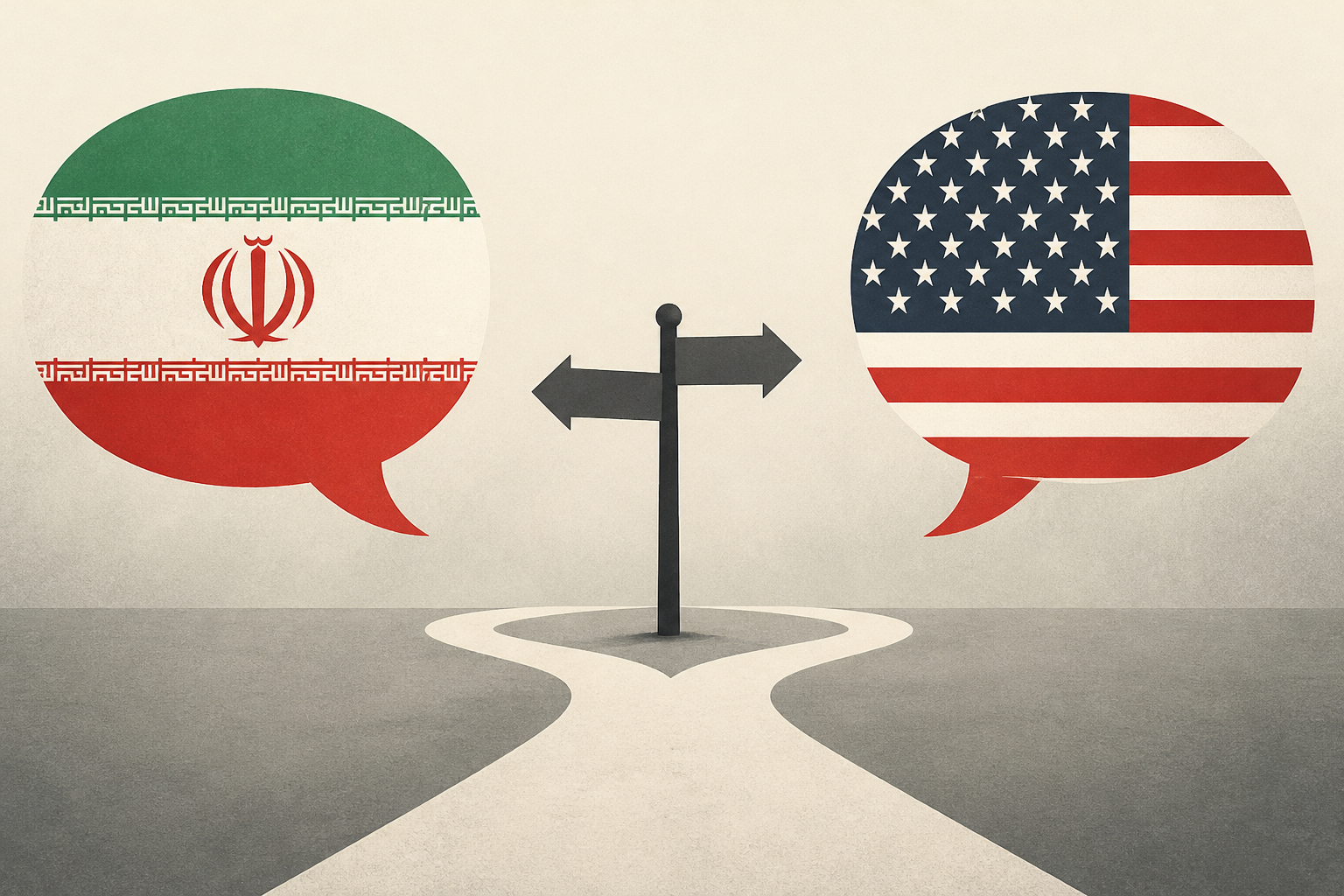
With shifting Iran rhetoric following U.S. elections, Trump leaves Middle East in limbo about path ahead
PBS • • world
Key Points:
- Since the midterm elections, President Trump has sent mixed signals on the Iran war, simultaneously backing away from additional military strikes and from further negotiations with Iran's negotiators.
- Trump declared the war "militarily is effectively over" but later said the U.S. no longer needs a deal with Tehran and redirected Vice President JD Vance away from Iran talks toward a domestic anti-fraud campaign.
- The president warned Iran that the U.S. military remains "locked and loaded," monitoring nuclear-related activities, while U.S. allies and Middle East diplomats express uncertainty over Trump’s inconsistent stance.
- Ahead of a planned summit with China’s Xi Jinping and Russia’s Vladimir Putin, Trump’s approach to Iran will be a key topic, with U.S. officials emphasizing that economic sanctions have weakened Iran without the need for further military action.
- Mediation efforts led by Qatar to restore traffic through the Strait of Hormuz face uncertainty amid Trump’s contradictory comments, with Iran unwilling to negotiate until core demands are met and the U.S. maintaining a naval blockade to curb Iranian oil exports.


