AI Generated Image
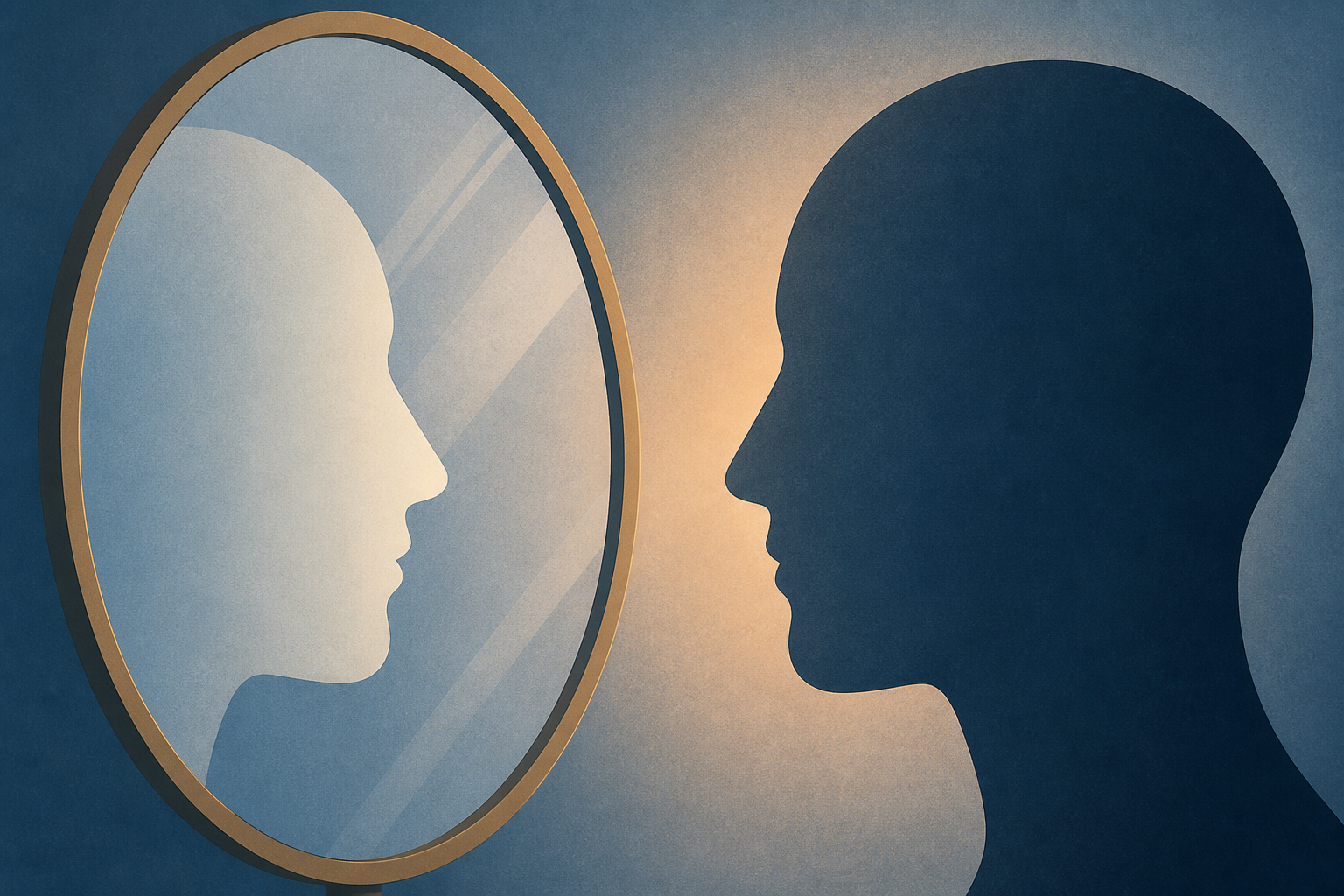
You have spent your entire life staring at a reversed copy of your own face, brushing your teeth in front of it, checking it before you leave the house, and the real one, the face the whole world has
Space Daily • • science
Key Points:
- The face you see in the mirror is a left-right reversed image of your actual face, which is the version others see; this reversed version is the one you have become most familiar with over your lifetime.
- A 1977 study showed that people prefer mirror-image photos of themselves, while their friends prefer true-image photos, supporting the mere-exposure hypothesis that familiarity breeds preference.
- The mere-exposure effect, established by Robert Zajonc in 1968, explains that repeated exposure to a stimulus leads to a positive attitude toward it, even without meaningful or emotional significance.
- Because human faces are asymmetrical, the reversed mirror image differs subtly from the true face, causing discomfort or unfamiliarity when people see themselves in photographs or videos for the first time.
- The face in photographs is the one the world knows, while the mirror face is the one you know; both are equally "you," but familiarity has split your perception, making the photographic face seem like a stranger.


