AI Image
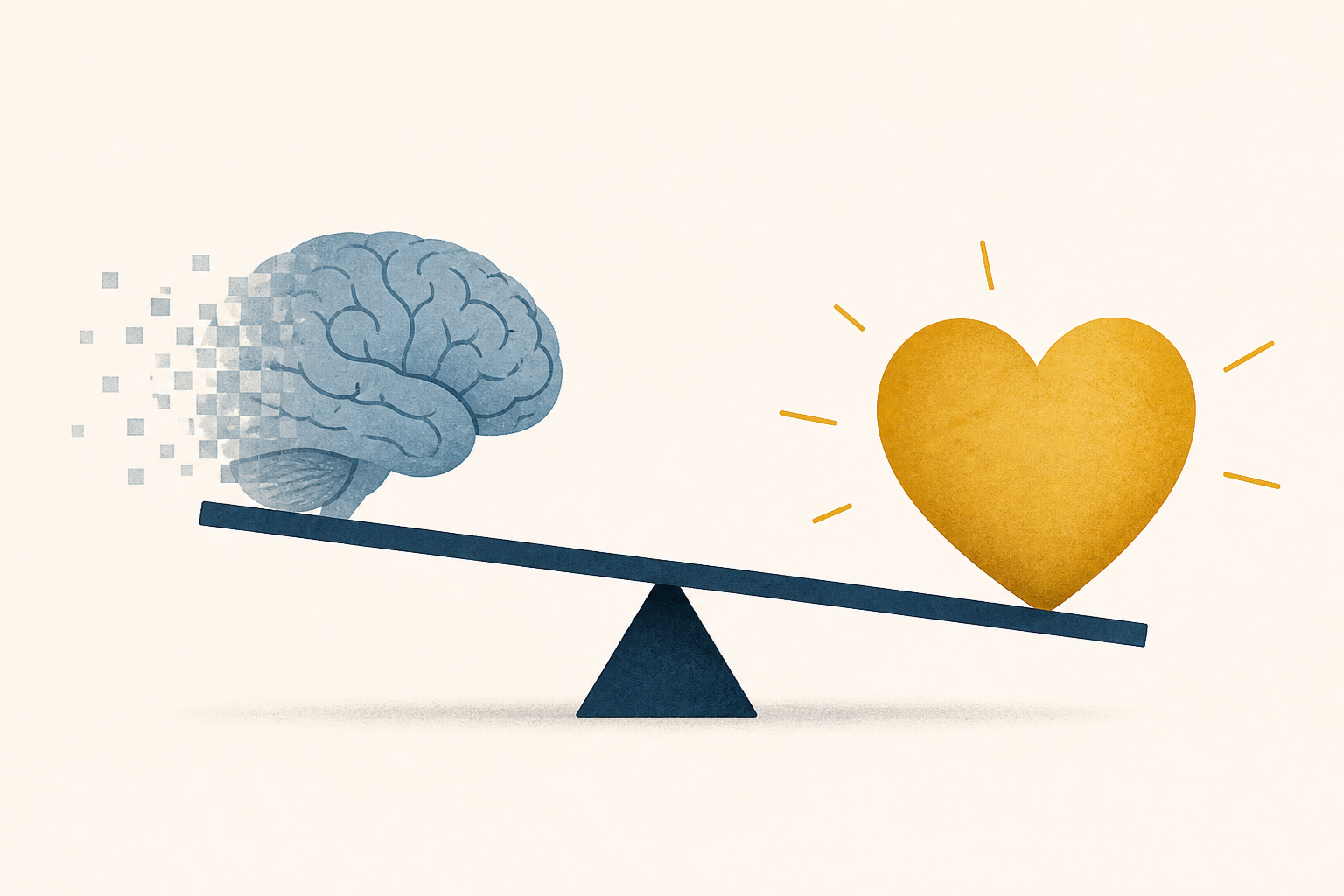
Your aging brain may be trading memory for something more valuable
Science Daily • • general
Key Points:
- Researchers at the University of Arizona propose the adaptive aging hypothesis, suggesting that cognitive changes in older adults reflect a natural developmental stage where the brain prioritizes accumulated experience over detailed memory.
- The brain shifts from relying on the hippocampus, which records precise memories, to the frontal cortex, which focuses on extracting meaning and applying existing knowledge, supporting strengths in mentoring, storytelling, and social relationships.
- This shift may have evolutionary benefits by enabling older adults to share wisdom and guide younger generations, highlighting a distinct role for aging individuals beyond memory decline.
- The adaptive aging hypothesis differentiates normal cognitive aging from Alzheimer's disease, emphasizing that Alzheimer's involves pathological disruptions rather than the brain's natural developmental changes.
- The researchers advocate for societal recognition of the aging brain's strengths and suggest fostering intergenerational interactions to leverage the valuable expertise and knowledge of older adults.


