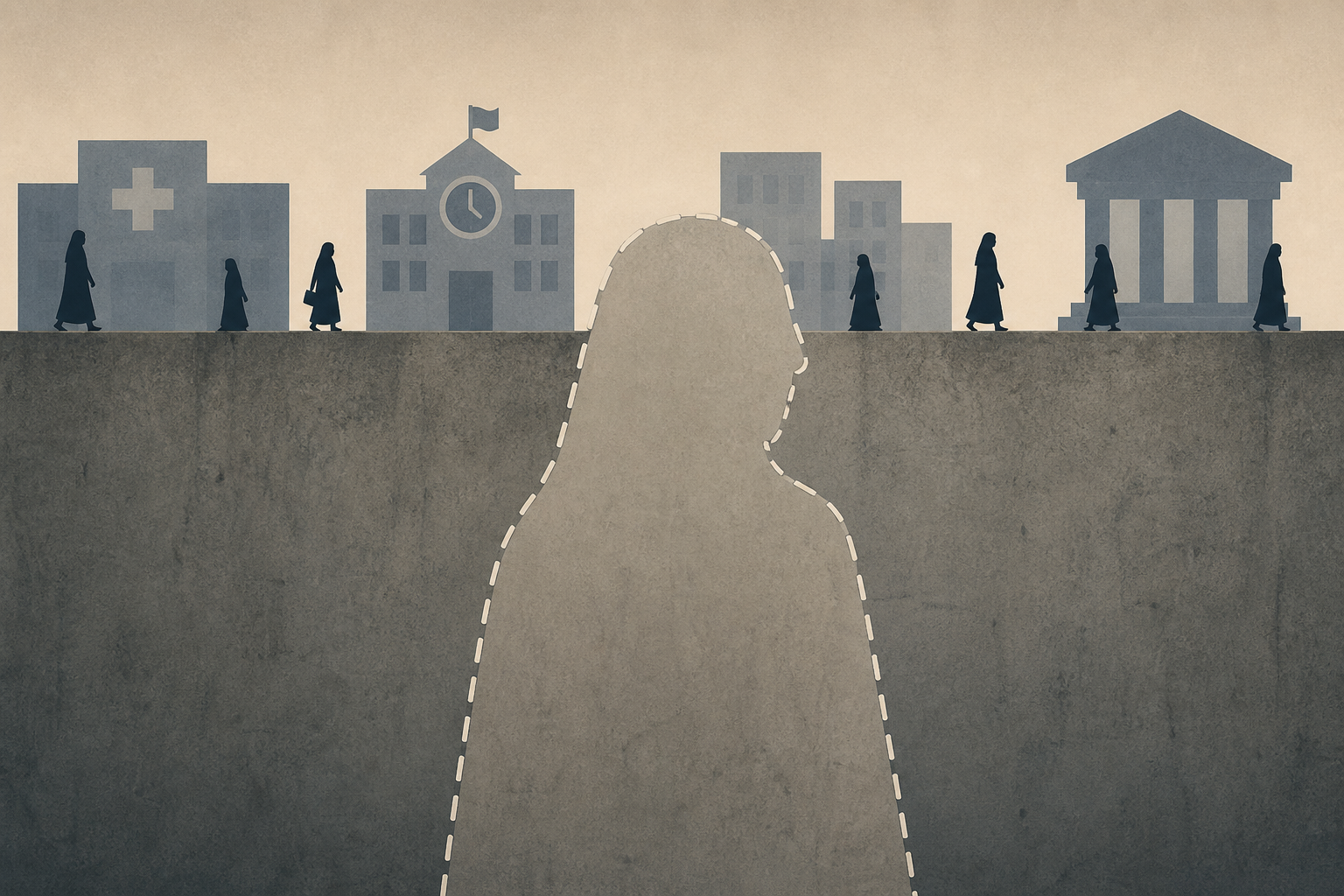
AI Generated Image
5 Years After Taliban Takeover, Women & Girls in Afghanistan Have Disappeared from Public Life
Democracy Now! • • world
Key Points:
- Five years after the Taliban regained control of Afghanistan in August 2021, women and girls face severe repression, including bans on secondary and higher education affecting 2.5 million girls, and restrictions on public life described as gender apartheid by human rights groups.
- The Taliban's policies prohibit women from outdoor parks, require male guardianship for public outings, restrict their voices in media, and remove women’s authored books from libraries, with many women’s organizations at risk of closure due to funding cuts.
- Health services for women have deteriorated amid funding cuts and Taliban restrictions, including bans on female nurses traveling without male guardians and preventing female medical graduates from completing certification, exacerbating a growing mental health crisis.
- The Taliban’s rise is rooted in decades of conflict involving Soviet occupation, U.S.-backed mujahideen, and regional support from countries like Pakistan, Russia, and Iran, which helped sustain the group during the previous 20 years of conflict.
- Afghan women activists in exile, such as Negina Yari, continue to organize international aid and advocacy efforts, while prominent figures like Malala Yousafzai condemn the Taliban’s gender apartheid and call for global accountability.


