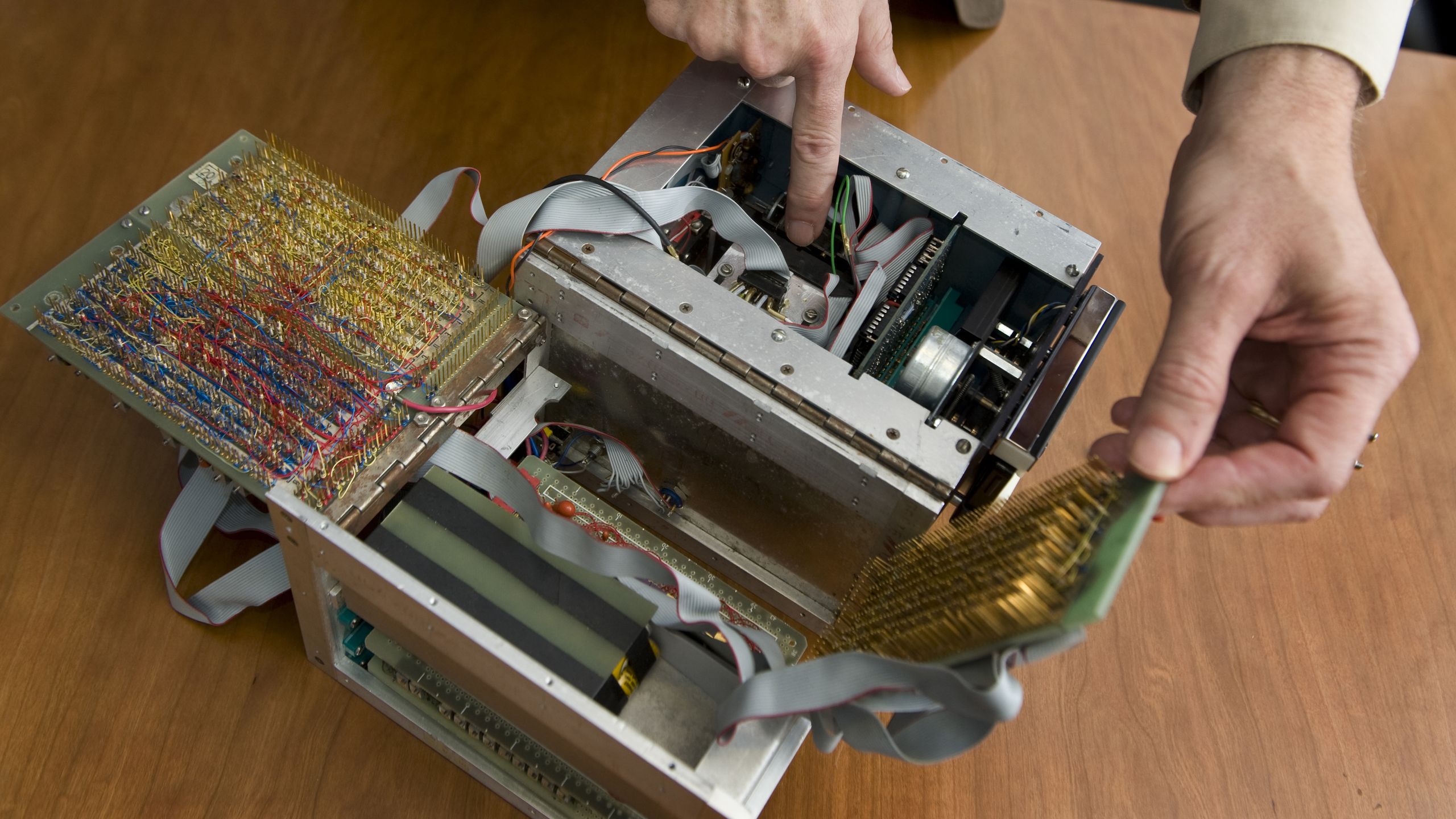
A 24-year-old was given a “project to keep me from getting into trouble.” The result changed photography forever
Digital Camera World • • business
Key Points:
- In 1975, 24-year-old engineer Steve Sasson, working at Eastman Kodak, invented the first all-electronic digital still camera, pioneering the shift from film to digital photography.
- Sasson's prototype was an eight-pound device that used a Super 8 camera lens, a cassette tape for storing digital images, and 16 batteries, producing a black-and-white image of 0.01 megapixels.
- The invention utilized the then-nascent charge-coupled device (CCD) technology to convert light into electrical signals, which Sasson digitized and stored despite significant technical challenges.
- Initially, Kodak executives were skeptical of the digital camera, as traditional film prints were inexpensive and widely accepted, delaying the technology


