AI Generated Image
A single dose of psilocybin reduces reward-seeking behavior by altering inhibitory brain cells
PsyPost • • health
Key Points:
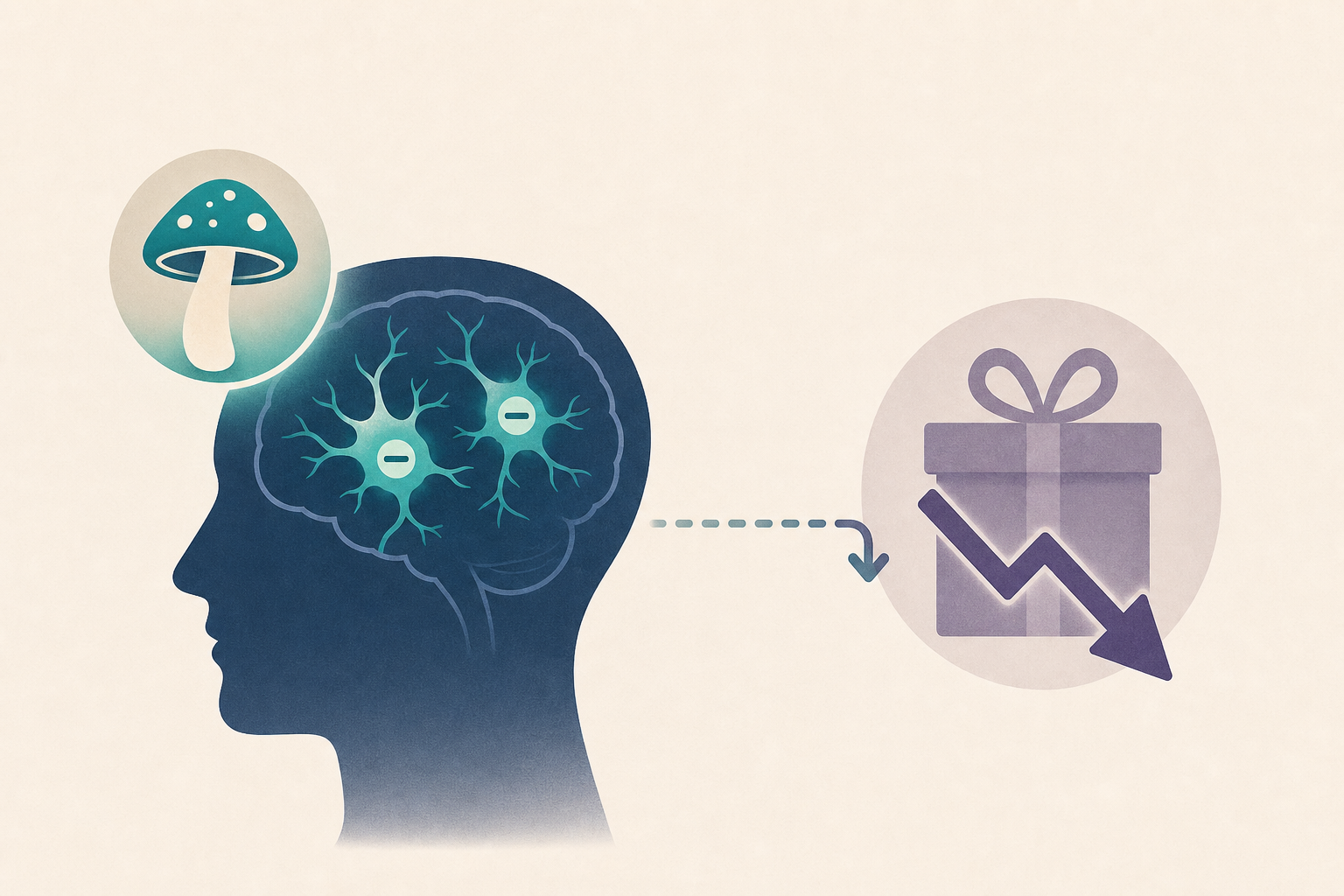
- A new study published in the European Journal of Neuroscience found that a single dose of psilocybin reduces motivation to seek rewards in rats by increasing activity of inhibitory parvalbumin interneurons in the prefrontal cortex, which are surrounded by perineuronal nets linked to brain plasticity.
- The research showed that 48 hours after psilocybin administration, rats displayed decreased preference and slower response times for larger rewards, indicating reduced incentive motivation rather than changes in impulsivity or attention.
- Microscopic analysis revealed a correlation between higher activity of these inhibitory neurons and reduced reward-seeking behavior, suggesting psilocybin dampens brain circuits that drive motivation and decision-making related to rewards.
- While the findings provide insight into potential mechanisms by which psilocybin could help treat substance use disorders, the study was limited to male rats, short-term effects (48 hours), and a task primarily measuring impulsivity rather than pure motivation.
- The authors emphasize this basic research as a foundation for future studies aimed at understanding long-term effects and the therapeutic potential of psilocybin in addiction treatment, with ongoing work exploring different behavioral paradigms and brain mechanisms.


