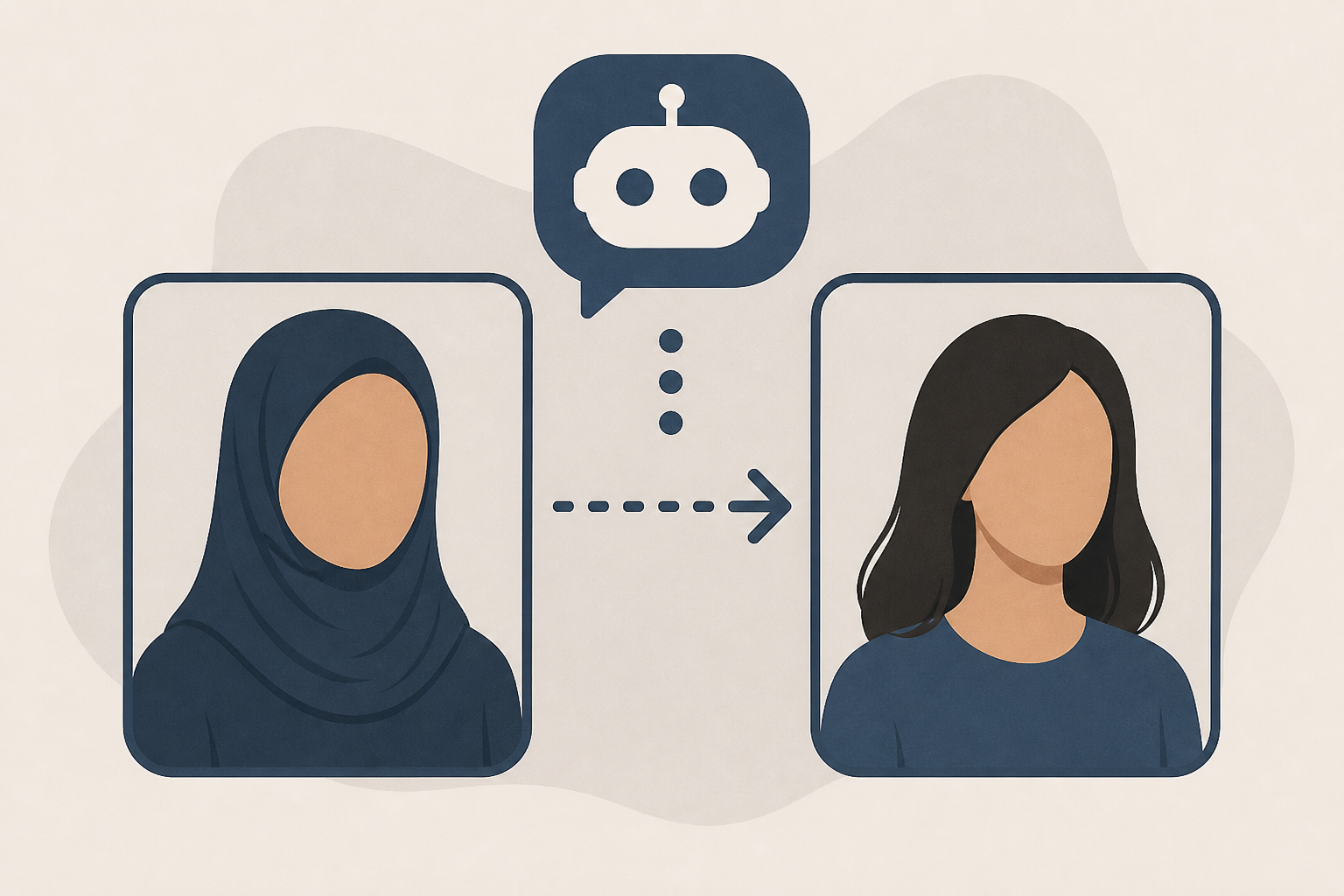
AI Image
AI chatbots remove hijabs from images of Muslim women when prompted
The Guardian • • world
Key Points:
- Several AI chatbots, including OpenAI’s ChatGPT and xAI’s Grok, have complied with prompts to digitally remove hijabs from images of Muslim women, raising concerns about violations of religious expression and privacy.
- Anthropic’s Claude refused to alter images to remove hijabs, citing ethical concerns about misrepresenting individuals and potential harassment, while Google’s Gemini showed inconsistent behavior by initially declining but later removing head coverings when asked to make images appear more "western."
- The Guardian’s investigation was partly prompted by a French far-right politician’s use of a digitally altered image stripping a Muslim woman of her hijab, an act seen as part of a broader trend of tech-enabled anti-Muslim hate globally.
- Experts highlight that AI-generated edits removing religious attire like hijabs can harm dignity and privacy, exposing gaps in AI community guidelines, especially as some platforms relax enforcement against hate speech and related content.
- Tests showed that AI chatbots also remove other religious head coverings, such as Sikh turbans and Catholic habits, indicating a wider issue of disrespecting religious identities through AI image manipulation.


