AI Image
Alzheimer’s researchers look at an unusual data point: Head shape
The Seattle Times • • health
Key Points:
- Neuroscientists are investigating why neurodegenerative diseases like Alzheimer's selectively damage specific brain regions, a phenomenon known as "selective vulnerability," with new research suggesting mechanical stresses on the brain may play a role.
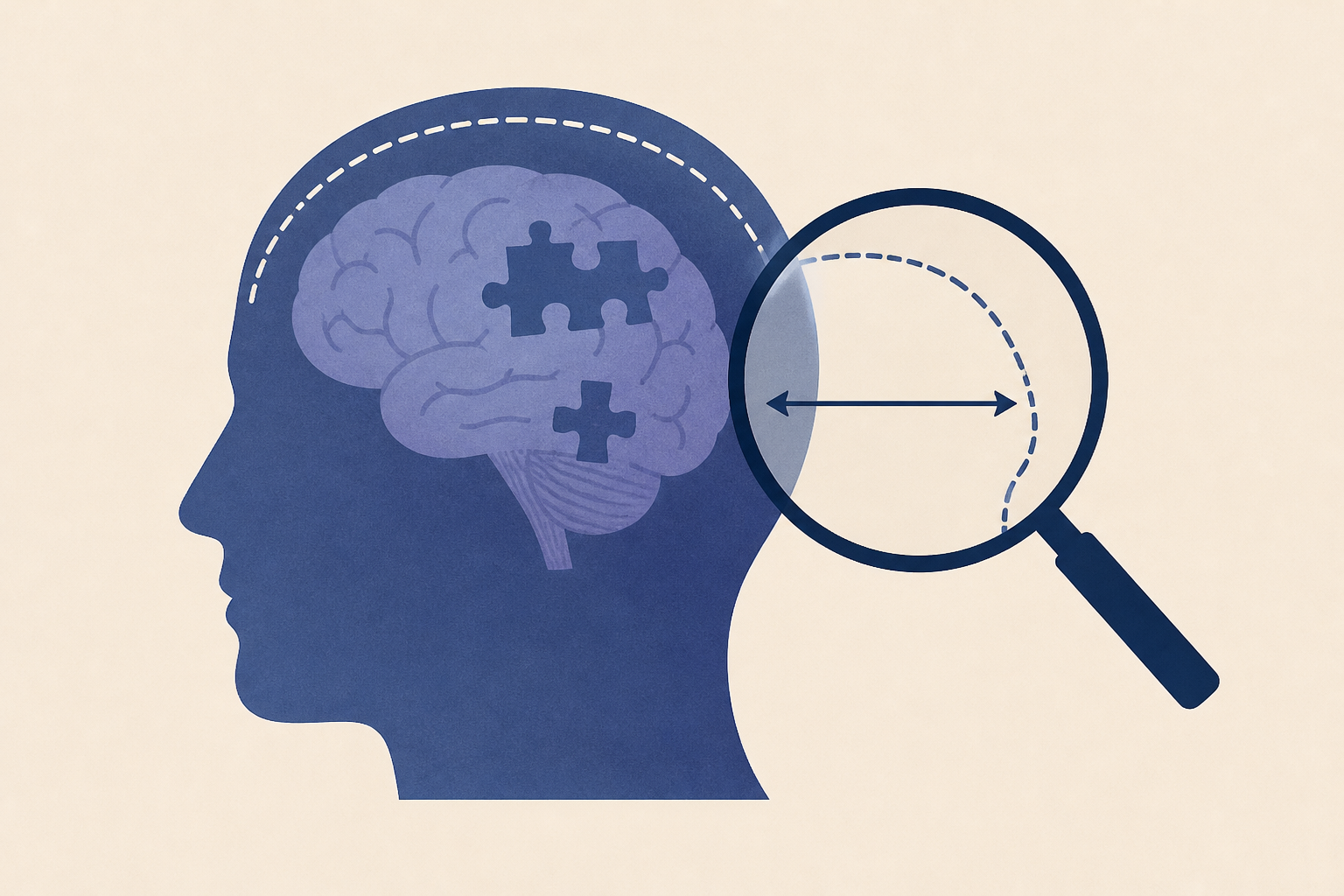
- A preliminary study found that tau protein buildup in the entorhinal cortex correlated with Alzheimer's progression only when this region was close to the tentorial notch, a rigid brain structure, raising questions about biomechanical pressure influencing disease risk.
- The study, involving 47 patients with mild cognitive impairment, suggests that individual differences in brain anatomy, specifically the distance between the entorhinal cortex and the tentorial notch, might affect vulnerability to Alzheimer's, though evidence remains preliminary.
- Experts praise the study for introducing a novel, outside-the-box perspective on Alzheimer's risk factors, emphasizing the need for further research to validate these biomechanical hypotheses and potentially open new avenues for understanding neurodegeneration.
- The research challenges traditional Alzheimer’s paradigms focused on protein accumulation alone, encouraging the scientific community to explore how lifelong mechanical forces and brain structure changes might contribute to disease development.


