AI Image
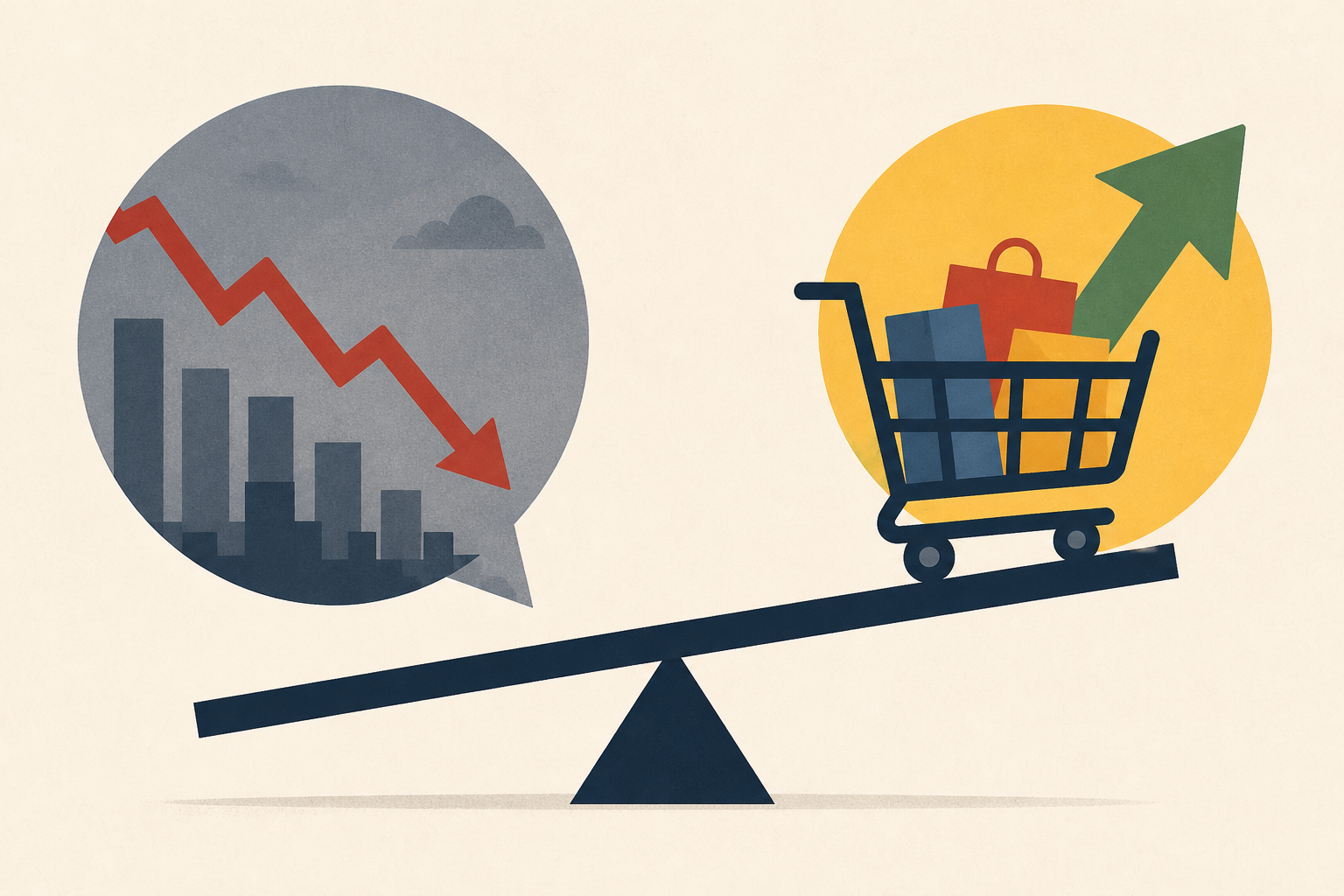
Americans say the economy is bad but keep spending. Don’t mistake the midterm polls for a forecast
Fortune • • business
Key Points:
- Business leaders often mistake polling data as a reliable predictor of future consumer behavior, leading to potentially flawed decisions about inventory, messaging, and customer loyalty.
- Polls capture what people say at a moment in time but do not necessarily indicate how that sentiment will translate into actual purchases, loyalty, or investment actions.
- Economic indicators illustrate this disconnect: consumer confidence may fall while spending rises, showing that sentiment and behavior can diverge significantly.
- Election polls demonstrate the challenge of predicting behavior from stated preferences, as assumptions about voter turnout can dramatically alter outcomes despite stable survey responses.
- Leaders should use polls as one data point among many, combining them with behavioral data and trend analysis, and always ask what specific decision the poll evidence supports before acting.


