AI Generated Image
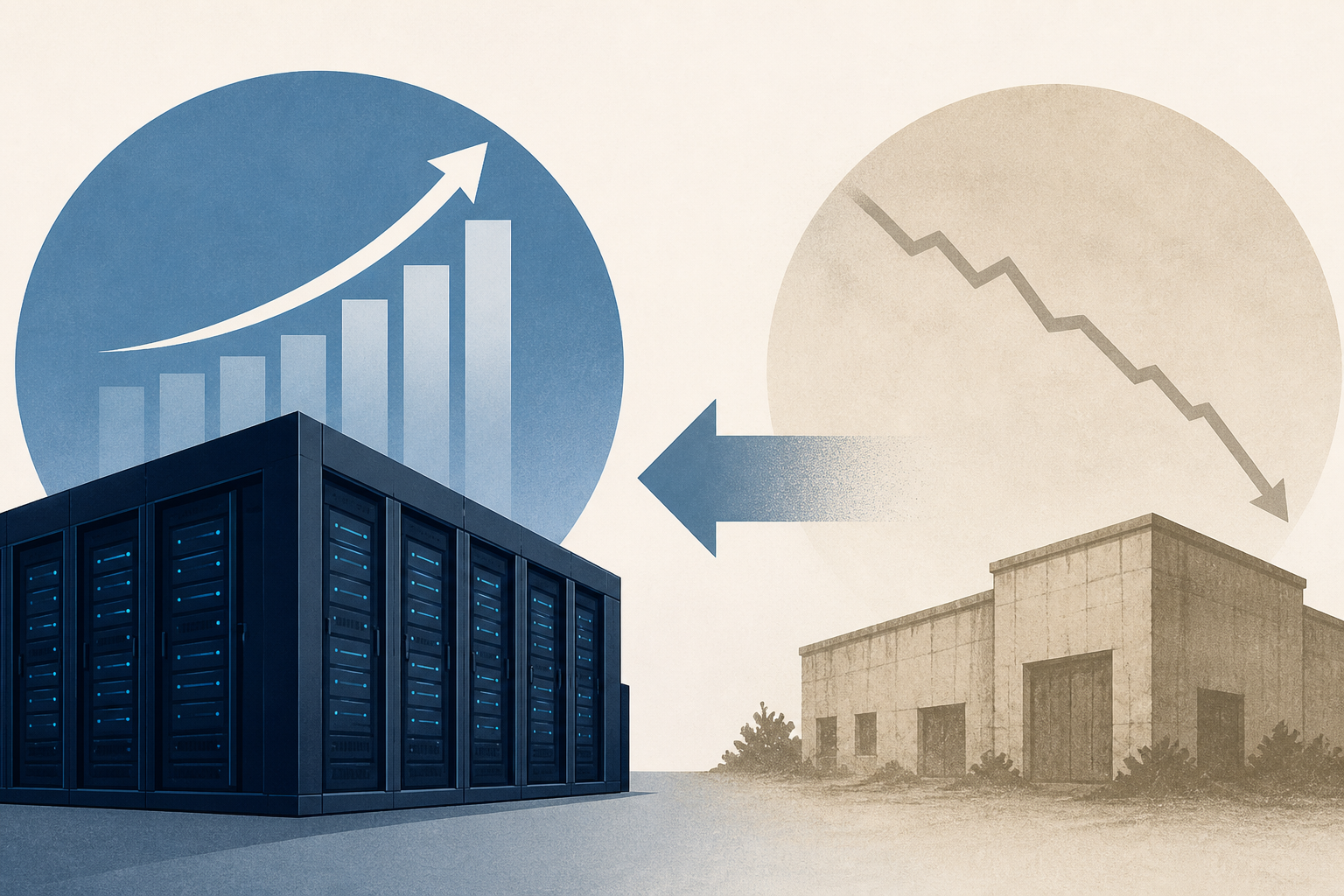
America’s data center future is Loudoun County’s past
The Verge • • business
Key Points:
- Loudoun County, Virginia, transformed from a residential real estate-dependent economy to the world’s densest concentration of data centers, now known as "Data Center Alley," hosting about 250 facilities that handle up to 70% of global internet traffic.
- The county’s data center boom, fueled by tech growth and AI infrastructure demands, has brought significant economic benefits, including funding for schools and reduced property tax rates, but also increasing community concerns over noise, environmental impact, and infrastructure strain.
- Residents have raised issues such as the construction of large transmission towers through neighborhoods, constant noise pollution from data centers’ HVAC systems and gas turbines, and loss of natural spaces, leading to growing opposition and calls for stricter regulations and development pauses.
- Local government officials acknowledge the challenges but emphasize legal and economic constraints, noting that data centers are often allowed "by right" on office-zoned land and that a moratorium on development requires state approval, while balancing the county’s financial reliance on the industry.
- Loudoun’s experience serves as both a cautionary tale and a potential model for other communities considering data center development, highlighting the need for careful planning, community engagement, and sustainable infrastructure to manage growth and mitigate negative impacts.


