AI Image
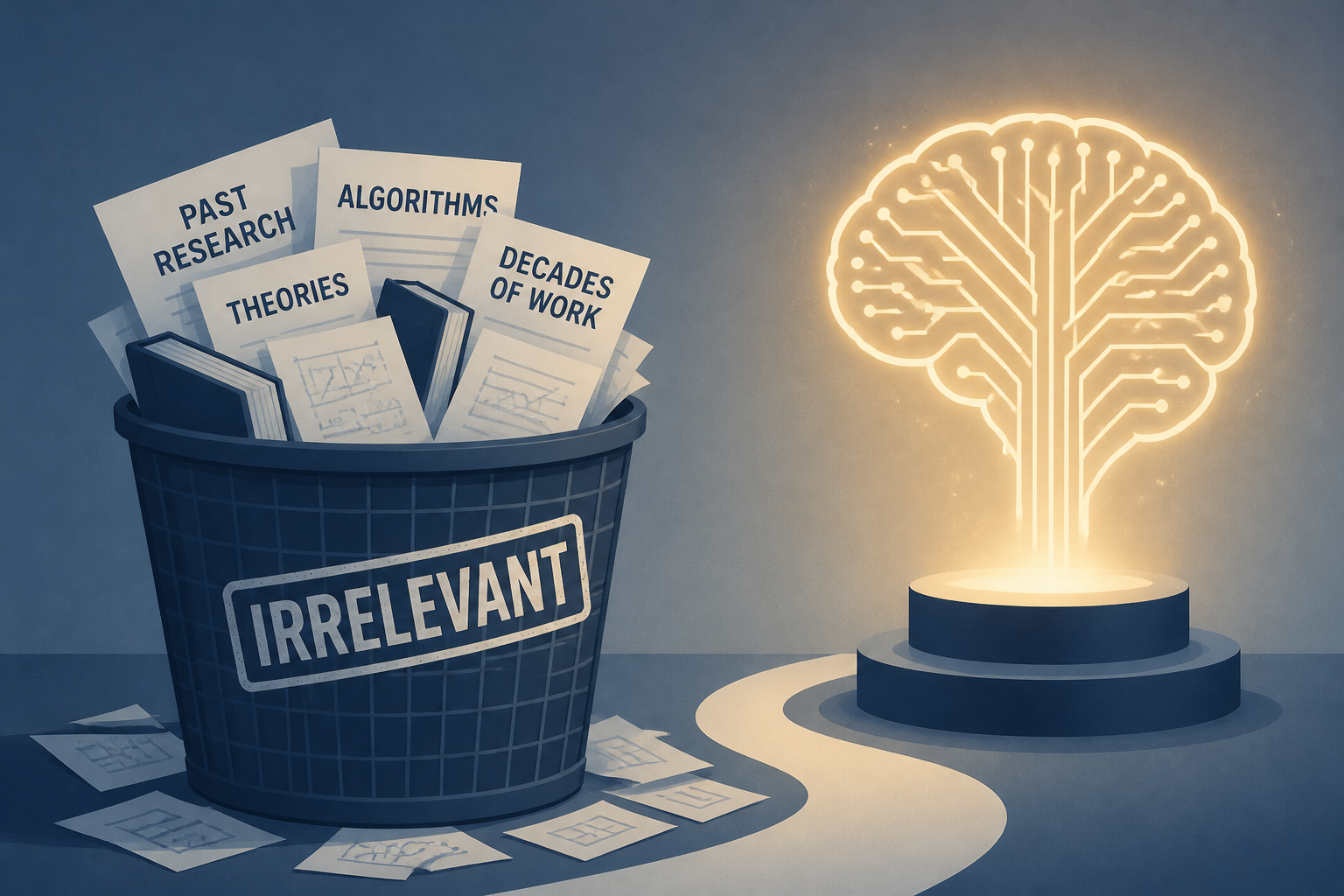
An AI Breakthrough Has Made Decades of Computer Science Research ‘Irrelevant’
WIRED • • business
Key Points:
- AI research from OpenAI and Anthropic claims to have disproved the 27-year-old exponential time hypothesis (ETH), a foundational assumption in theoretical computer science about problem-solving complexity increasing exponentially with problem size.
- This development threatens to invalidate or require major revisions to vast amounts of research, including dozens of published papers by leading academics, who describe the situation as both exciting and deeply unsettling.
- The AI-generated proofs have yet to be independently verified, prompting efforts led by original ETH proposers and other experts to rigorously examine and understand the results, with OpenAI supporting this process through funding and volunteer coordination.
- Researchers express mixed emotions: some feel their work is rendered obsolete, while others see the breakthrough as illuminating new directions and opportunities for exploration in the field.
- The finding may have significant implications beyond theory, potentially impacting cryptography and digital security, and underscores the importance of ongoing human and AI collaboration to refine understanding of computational assumptions.


