AI Image
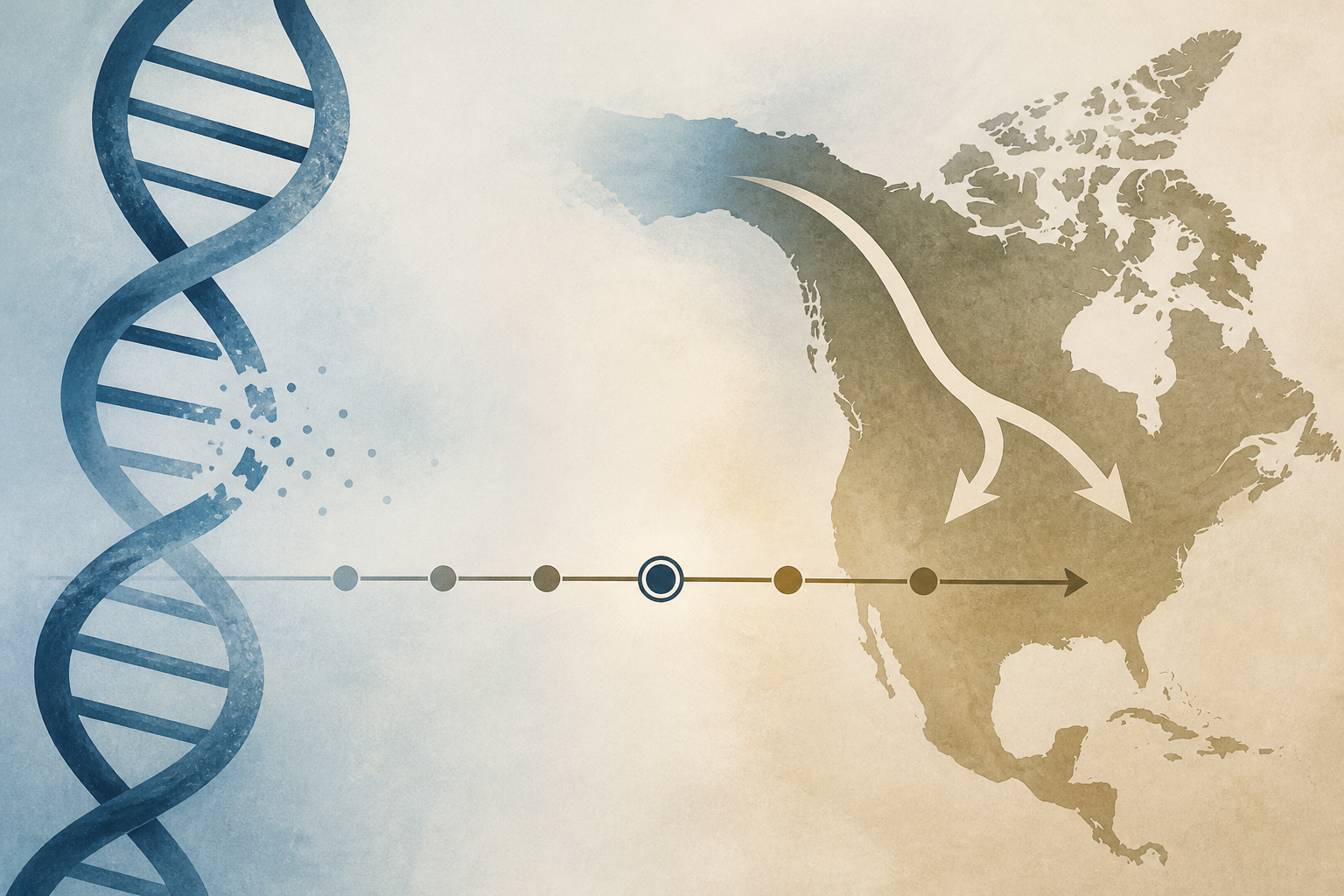
Ancient DNA new study narrows human migration to North America timeline
Fox News • • science
Key Points:
- Researchers have narrowed the timeline for early human migration into North America, suggesting humans arrived between 14,000 and 20,000 years ago, likely before 15,000 years ago.
- This challenges the "Clovis First" theory, which estimated the first humans arrived around 13,500 years ago, with new evidence indicating earlier habitation.
- The study reviewed genetic and archaeological data, including 23,000-year-old human footprints found at White Sands National Park, implying even earlier human presence.
- Genetic analysis shows ancestral Native American populations split into northern and southern groups about 15,500 years ago, indicating their ancestors had already reached the continent by then.
- Despite these advances, researchers acknowledge uncertainties remain regarding the exact timing and locations of early population divergences in the Americas.


