AI Image
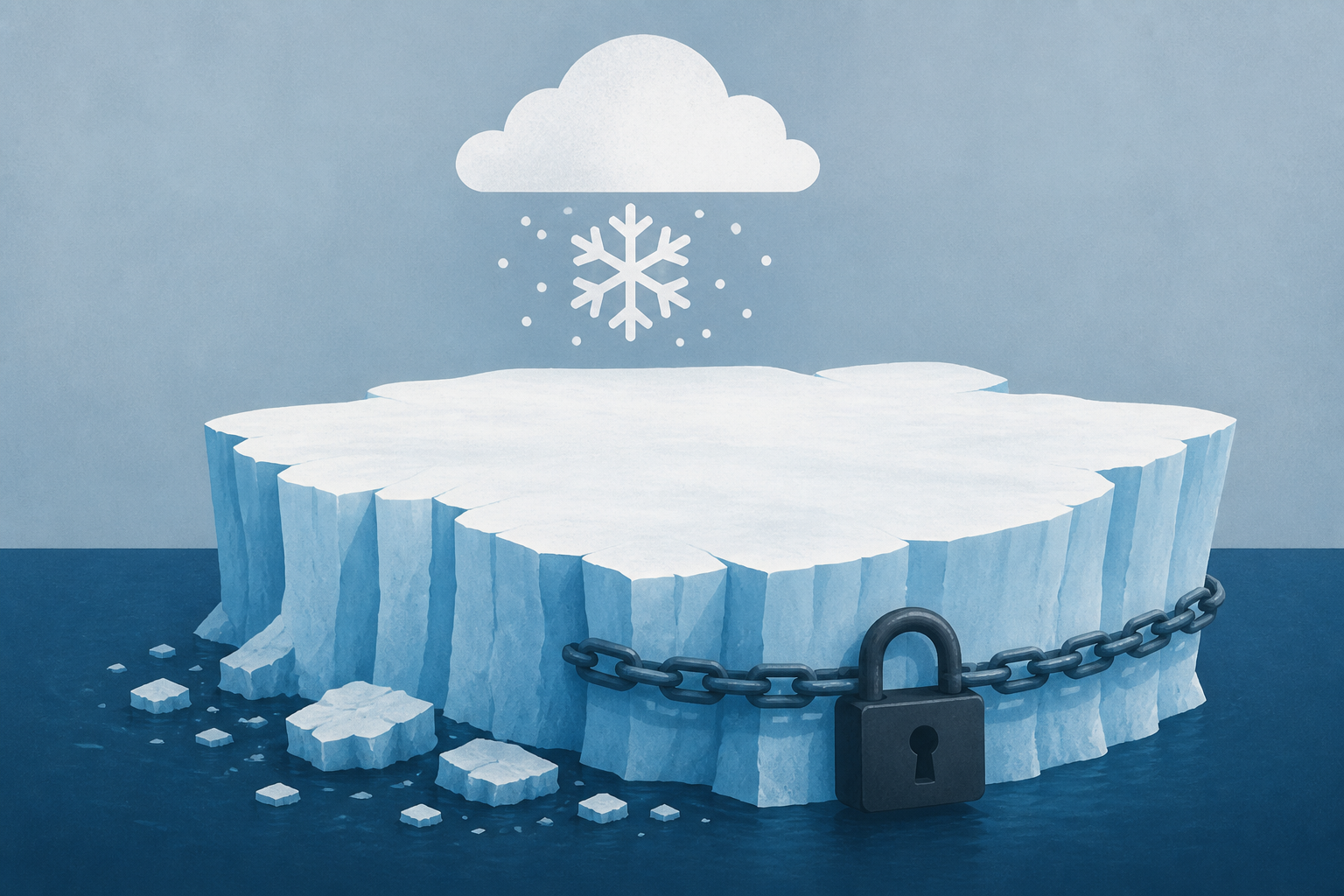
Antarctica’s ice loss is locked in, and extra snowfall won’t save it
The Conversation • • world
Key Points:
- A new study using machine learning and Antarctic ice simulations finds that Antarctica is locked into losing more ice than it gains this century, even if global warming is limited to 1.5°C as per the Paris Agreement.
- The study highlights that greenhouse gas emissions directly influence how much Antarctic ice melts, with higher emissions accelerating ice shelf thinning and glacier flow, potentially adding up to 10 inches (25 cm) of sea-level rise by 2100.
- Increased snowfall due to warmer air holding more moisture will not offset ice loss from warming oceans, meaning Antarctica will contribute significantly to global sea-level rise alongside melting Greenland ice and thermal expansion of oceans.
- Key uncertainties affecting projections include how ice shelves respond to warming oceans, ice sliding over bedrock, and regional ocean and air temperature changes; improving understanding of these processes is critical for more accurate forecasts.
- While some ice dynamics like cracking and subglacial water flows remain unmodeled, the study’s machine learning approach enables rapid evaluation of numerous scenarios, providing valuable insights for coastal communities facing rising sea levels.


