AI Image
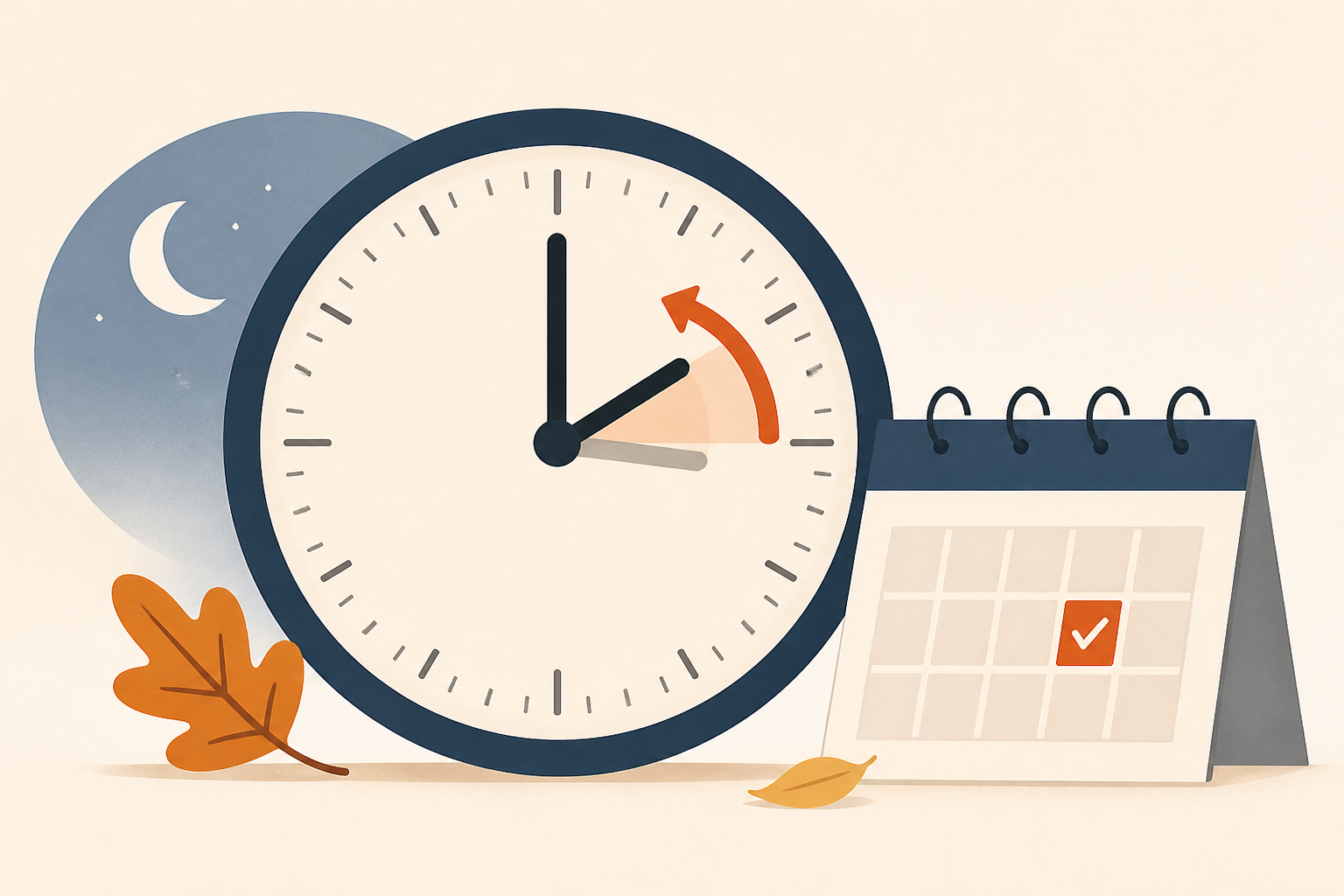
Are clocks falling back this weekend? Here's what to know
USA Today • • nation
Key Points:
- Americans will turn their clocks back one hour on Nov. 1, as Congress has not passed legislation to end the twice-yearly time changes despite growing public support and President Trump's urging.
- The Sunshine Protection Act, which would make daylight saving time permanent, passed the House but stalled in the Senate, leaving the current system unchanged for now.
- Some Senate Republicans oppose permanent daylight saving time due to concerns about late winter sunrises and safety issues for children in rural areas, creating a legislative obstacle.
- Polls show a majority of Americans want to end clock changes, but opinions are divided on whether to adopt permanent daylight saving time or permanent standard time.
- Experts warn that while clock changes disrupt sleep, permanent standard time may be healthier than permanent daylight saving time, which could cause long-term circadian misalignment and negative health effects.


