AI Image
Studies show people who 'ghost' are worse off than victims
New York Post • • health
Key Points:
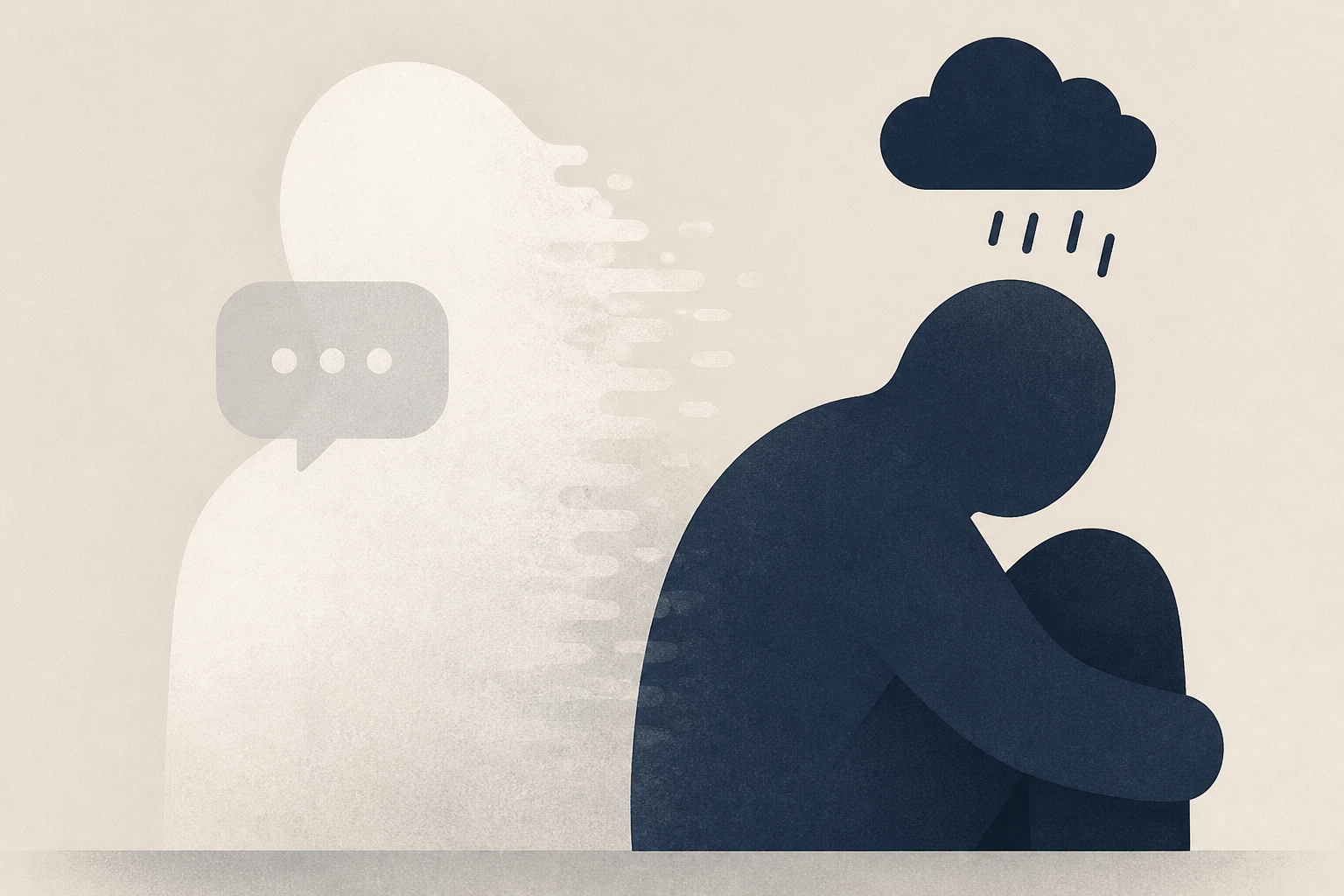
- Ghosting, the act of abruptly disappearing from a relationship without explanation, affects 75% of people and often leaves victims confused and emotionally distressed due to the lack of closure.
- New research from Cambridge and the University of California reveals that those who ghost others frequently experience guilt, shame, and remorse, contrary to victims' assumptions that ghosters are indifferent or have moved on.
- The studies found that accidental ghosting caused by distraction or forgetfulness can lead to depressive symptoms in ghosters, highlighting the emotional toll on both parties.
- Simple communication, such as sending a brief message like "sorry, can't talk," can significantly reduce misunderstandings and alleviate negative feelings associated with ghosting.
- Researchers emphasize the importance of understanding ghosting dynamics to foster empathy and improve communication in increasingly digital social and romantic interactions.


