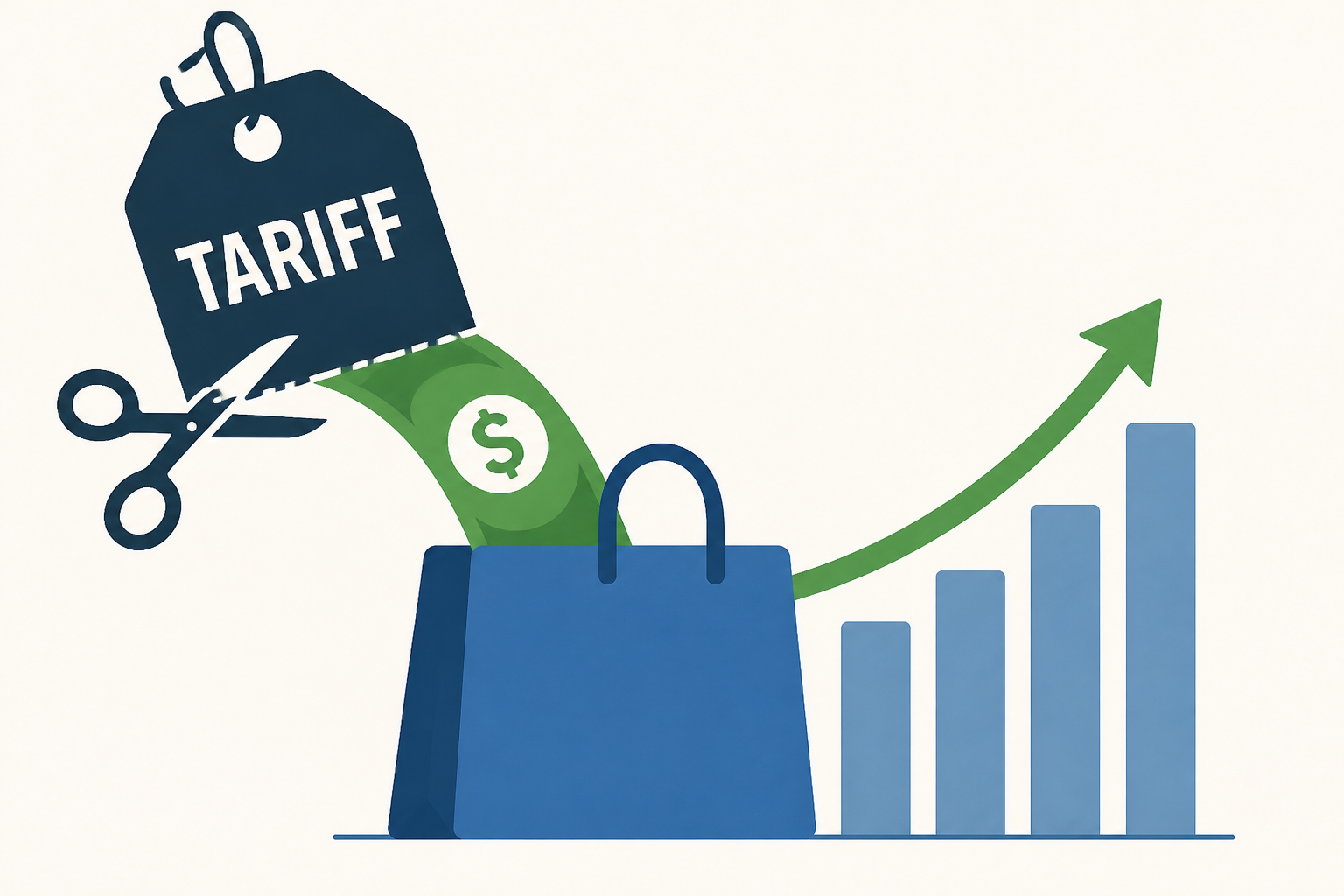
AI Generated Image
At Walmart, billions in tariff refunds soften the blow from slower sales growth
NBC News • • general
Key Points:
- Walmart received nearly $3 billion in tariff refunds, which it partly used to reduce prices for consumers facing inflation, boosting its quarterly profits.
- Despite profit gains, Walmart’s U.S. same-store sales growth slowed to 2.6%, the lowest in years, causing the company’s stock to drop 9% and fall out of the $1 trillion market value club.
- The company cited new federal drug pricing rules and expected $2 billion in higher fuel costs due to the U.S. and Israel's conflict with Iran as factors weighing on sales and expenses.
- Rising inflation and fuel prices are causing consumers to make spending trade-offs, prompting Walmart to implement over 11,000 price rollbacks in the quarter to maintain customer trust.
- Walmart’s earnings reflect broader economic pressures on U.S. consumers, with inflation outpacing wage growth and competition from wealthier shoppers trading down, while rival Target also reported tariff refunds and price cuts.


![Google Pixel screen savers add new styles, swipe gesture [Gallery]](https://media-cdn.cashwalklabs.io/https%3A%2F%2Fs3.us-west-2.amazonaws.com%2Fimages.cashwalklabs.io%2F0_admin%2Fnews-ai-images%2F01a020c8-02ff-7739-94ec-8cdc8c008429.webp?format=webp&w=120&h=80)


