AI Generated Image
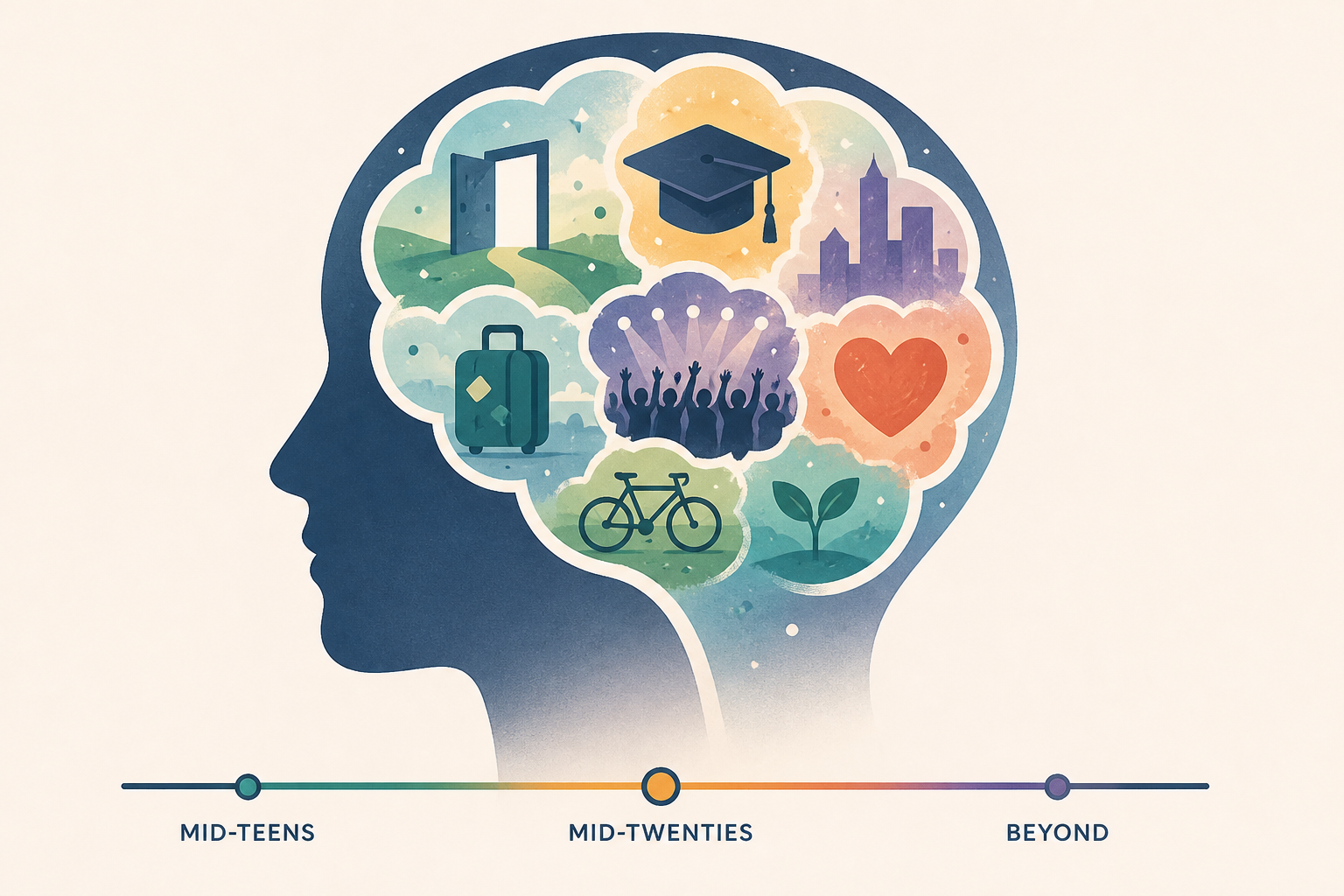
Between the mid-teens and the mid-twenties, the human brain records an unusually rich collection of memories—not because it works better than before or after, but because life is packed with firsts th
Space Daily • • health
Key Points:
- Most adults over 40 recall memories clustered between ages 10 and 30, especially from mid-teens to mid-twenties, a phenomenon known as the reminiscence bump, which is robust across various memory studies.
- The common explanation attributes this bump to a high density of novel "first" experiences during this period, which are thought to be encoded more deeply than routine events.
- However, research shows that memories from this age range are not consistently rated as more novel, emotional, or important, suggesting that novelty alone does not fully explain the bump.
- Alternative explanations highlight the role of identity formation and cultural life scripts, where memories serve as landmarks in personal narratives and align with culturally expected life transitions.
- While the reminiscence bump is well-documented, its underlying mechanisms remain unsettled, with evidence indicating that this period's memories are significant for their role in shaping personal identity rather than superior encoding.


