AI Generated Image
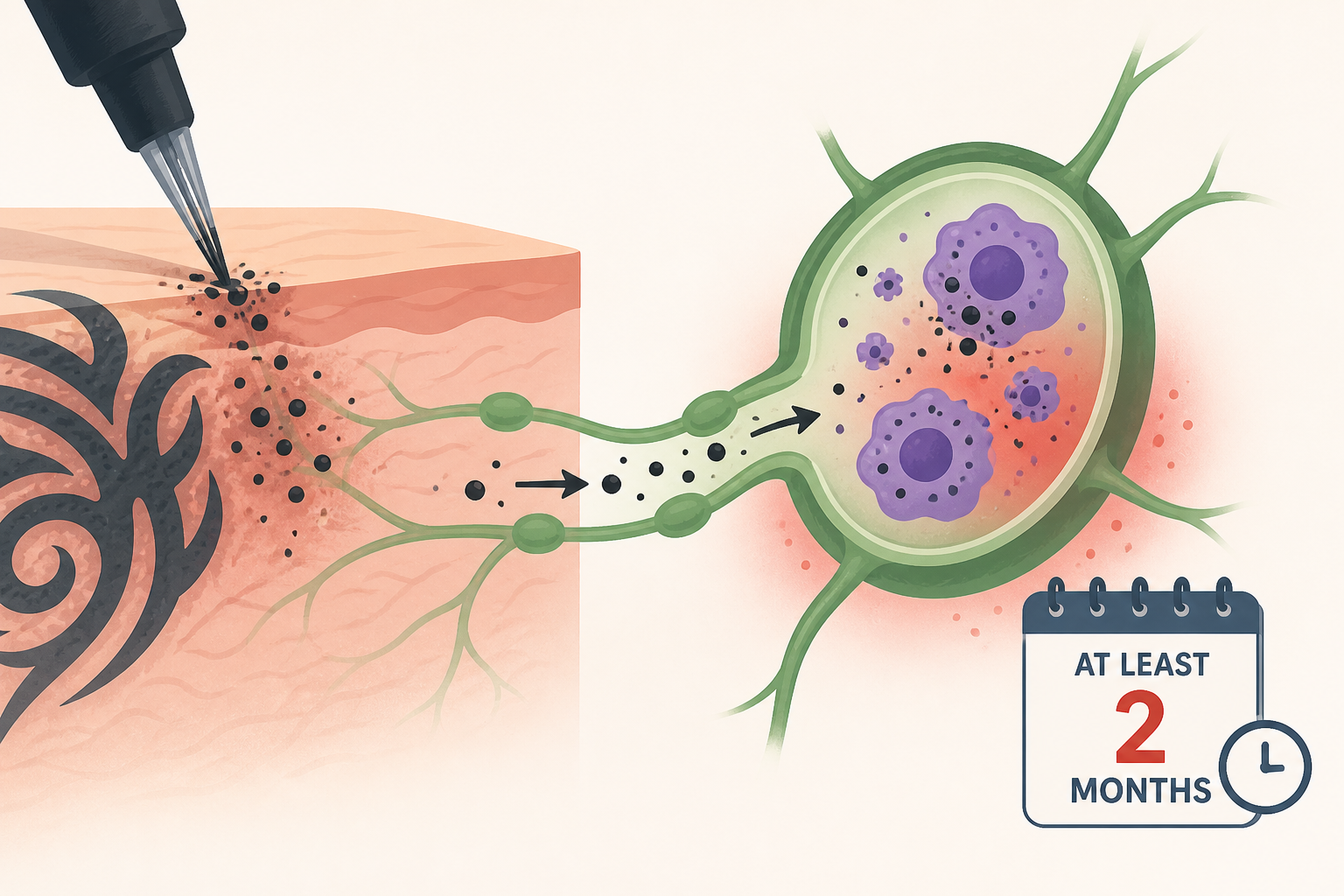
Tattoo ink doesn’t just stay in the skin - a PNAS mouse study found pigments can reach nearby lymph nodes soon after contact, damage macrophages, and keep inflammation active for at least two months
Space Daily • • health
Key Points:
- Researchers at Università della Svizzera italiana found that tattoo ink in mice travels rapidly to lymph nodes, where it is engulfed by macrophages that struggle to clear the pigment, causing prolonged low-grade inflammation.
- Tattooed mice vaccinated with the Pfizer-BioNTech COVID-19 vaccine in the tattooed foot showed a weaker antibody response, but this finding is limited to vaccine delivery through pigment-laden lymph nodes and has not been validated in humans.
- The study does not prove that tattoos impair overall human immunity or vaccine effectiveness; it mainly provides cellular-level insights into ink deposition and immune cell response in animal models.
- Tattoo inks are under-regulated substances containing pigments originally designed for industrial use, with concerns about impurities and compliance with European chemical safety standards still unresolved.
- Further human studies are needed to assess the clinical significance of these findings, especially regarding vaccine responses near tattoos and long-term inflammation, while current evidence does not warrant alarm or changes in medical advice.


