AI Image
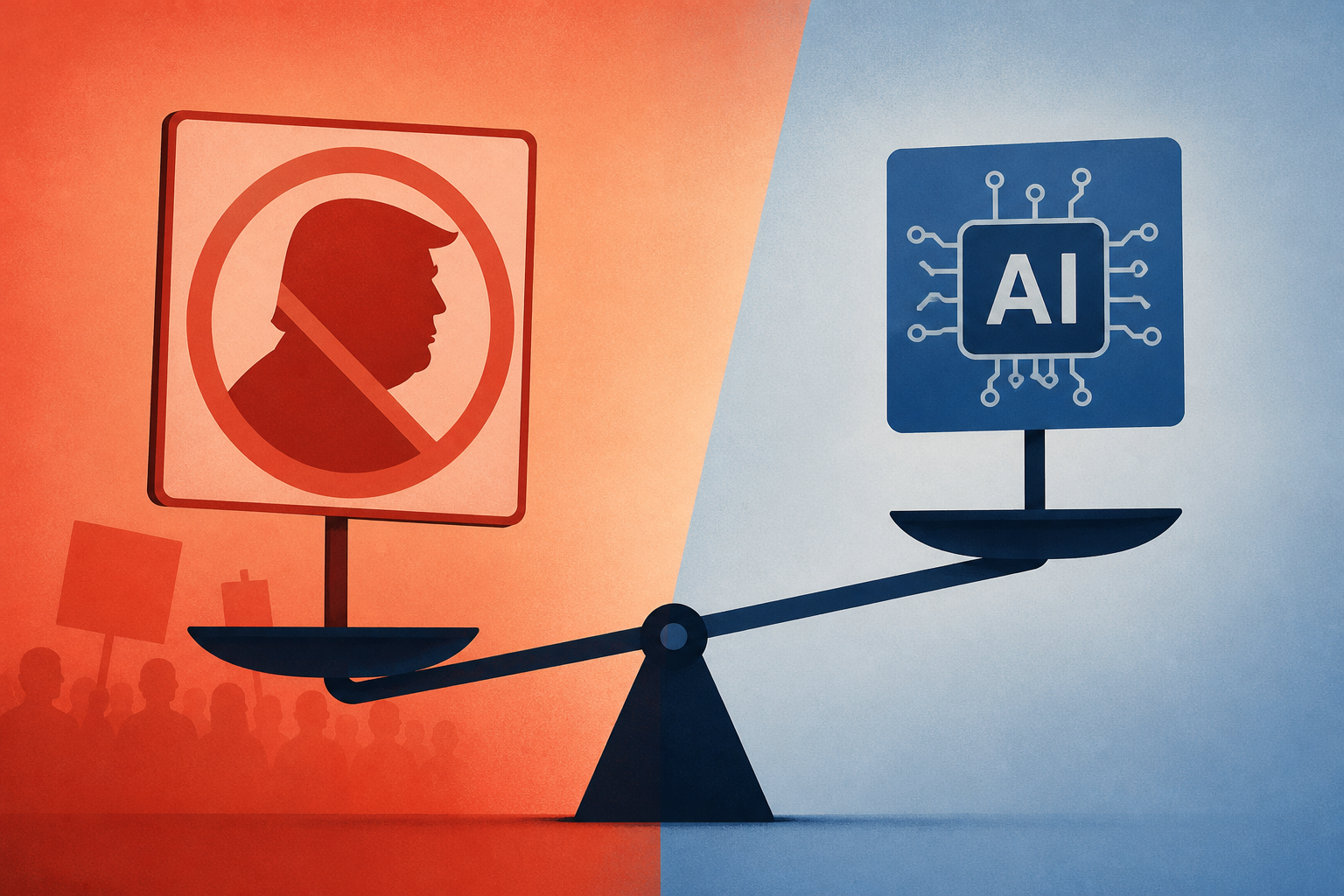
Big Tech claims voters’ AI backlash is “anti-Trump” not “anti-tech”
Ars Technica • • business
Key Points:
- Voters in recent elections overwhelmingly supported measures and candidates favoring increased restrictions on AI and data centers, with 38 out of 44 data center-related ballot measures passing across 10 states, mostly imposing moratoriums and bans affecting projects planned for 2028 and beyond.
- Democratic victories in key states like Texas, Arizona, Georgia, and Ohio—major hubs for data center capacity—signal potential delays and tighter regulations, with Texas Governor-elect Gina Hinojosa planning moratoriums and stricter environmental and community impact laws that could stall or relocate projects.
- Despite opposition from voters, some AI industry insiders and tech trade groups downplayed the election results, arguing there is no clear mandate to crack down on AI or data centers, while civil rights leaders and polls indicate strong public concern over AI regulation and data center impacts.
- Experts warn that the slowdown in the U.S. AI infrastructure buildout could benefit China by limiting U.S. computing capacity and potentially pushing major tech firms to build data centers abroad, undermining efforts for a fully domestic AI tech ecosystem.
- Elon Musk, a major donor to Republican candidates and a key player in AI data center expansion, faced setbacks as voters elected officials favoring AI scrutiny; however, Musk’s SpaceX plans to accelerate its data center capacity buildout, aiming for a record 13 gigawatts by 2027 despite growing opposition.


