AI Image
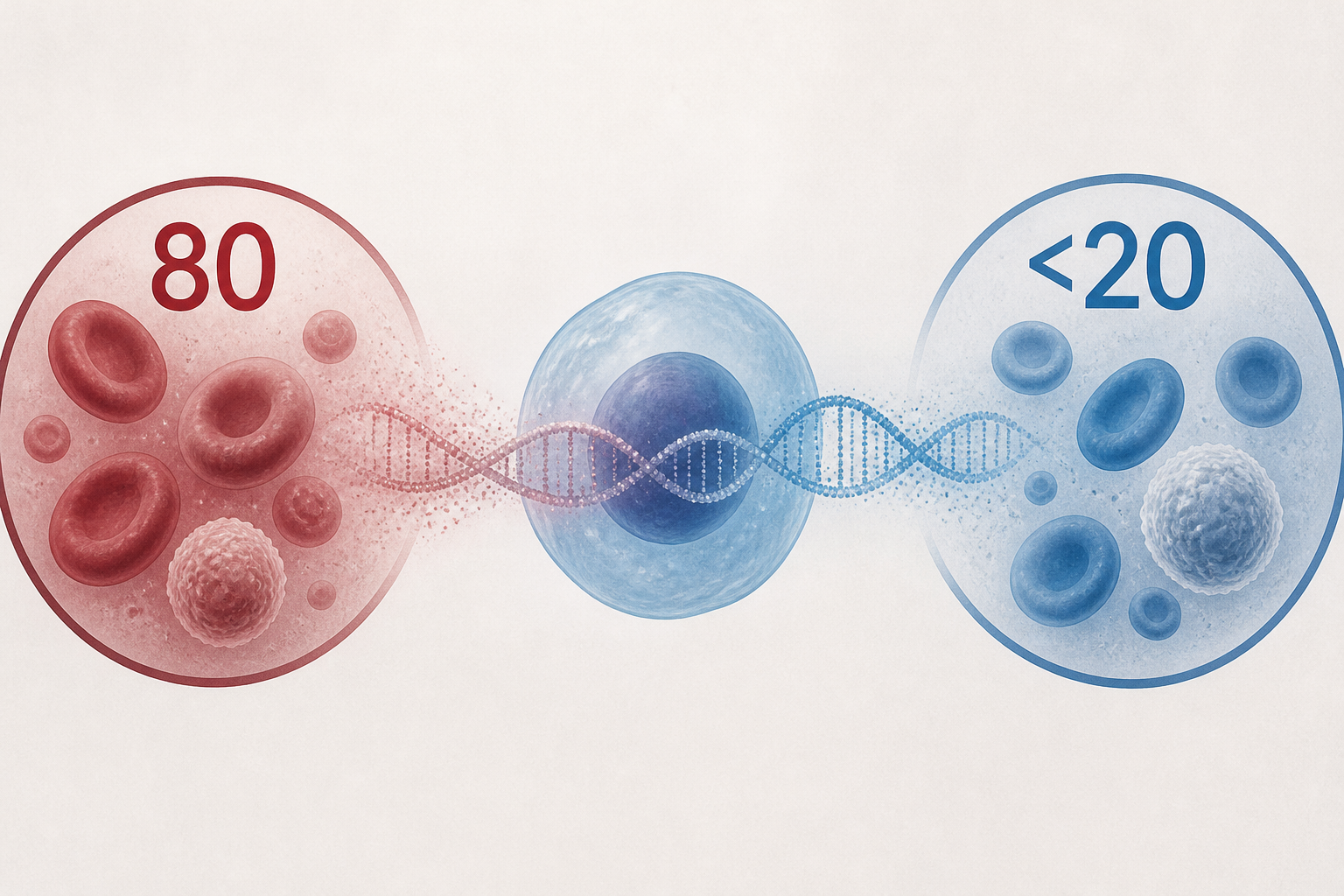
Blood Cells From an 80-Year-Old Were Reprogrammed to Show an Epigenetic Age Below 20
Yahoo • • science
Key Points:
- Researchers at the University of Bonn and University Hospital Bonn reprogrammed cells from an 80-year-old donor into induced neural stem cells with an estimated molecular age below 20, based on epigenetic clocks measuring DNA chemical modifications.
- The team used a direct conversion method, bypassing the pluripotent intermediate stage, allowing them to observe a gradual decline in molecular age over about 100 days, with major epigenetic changes occurring around 50 days.
- This slow rejuvenation process provides a valuable laboratory model to study age-related molecular changes in brain tissue and test factors influencing cellular aging, rather than a direct treatment for aging or dementia.
- The study, published in Aging Cell in 2026, emphasizes that the findings are limited to cultured cells and do not demonstrate clinical reversal of human aging, lifespan extension, or dementia risk reduction.
- Any potential therapeutic use would require extensive validation for safety, stability, and tumor risk before clinical application could be considered.


