AI Image
Blood sugar spikes may be linked to these controllable everyday habits: expert
New York Post • • health
Key Points:
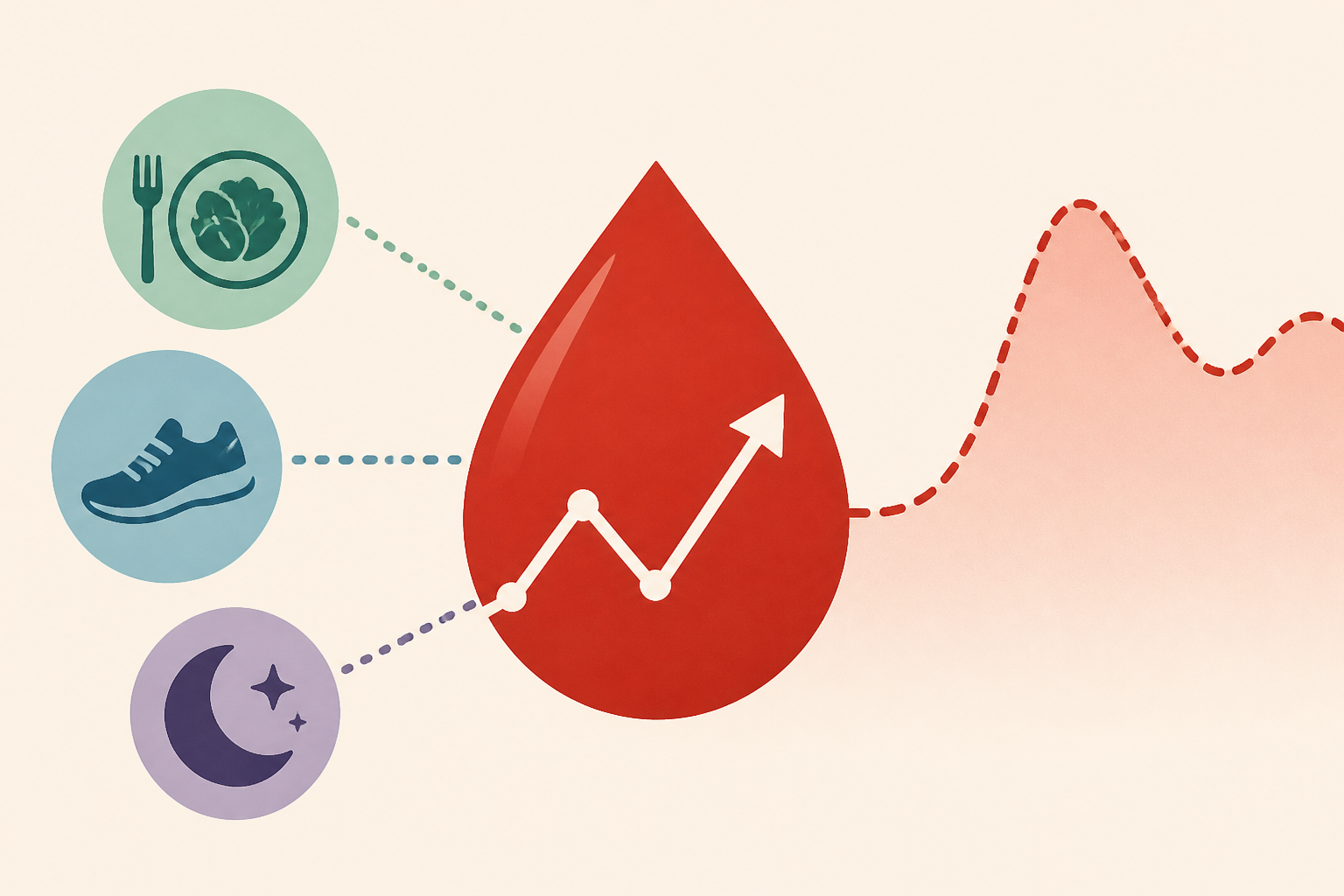
- Metabolic health expert Jim LaValle emphasizes that everyday habits like diet, sleep, exercise, and stress management significantly influence blood sugar levels, which are crucial for overall metabolic health and energy.
- LaValle recommends monitoring postprandial glucose to understand individual responses to different foods and advocates for a higher-protein breakfast over carb-heavy meals due to morning cortisol’s impact on blood sugar.
- Regular physical activity, even a 10-minute walk after meals, can help lower blood sugar, though LaValle acknowledges lifestyle challenges that make consistent exercise difficult for many people.
- Stress and inadequate sleep disrupt insulin regulation and glucose metabolism, with conditions like sleep apnea linked to diabetes and obesity, highlighting the need for effective stress management and healthy sleep habits.
- Poor sleep can increase appetite and cravings, leading to weight gain and further complicating blood sugar control, creating a cycle that impacts metabolic health.


