AI Image
Cold Triggers a Hidden Molecular Pathway That Extends Lifespan, Study Finds
Yahoo • • health
Key Points:
- A new study published in Nature reveals that exposure to mildly cold temperatures triggers muscle tissue to produce dihydrobiopterin (BH2), a metabolite that supports protein homeostasis and tissue health during aging.
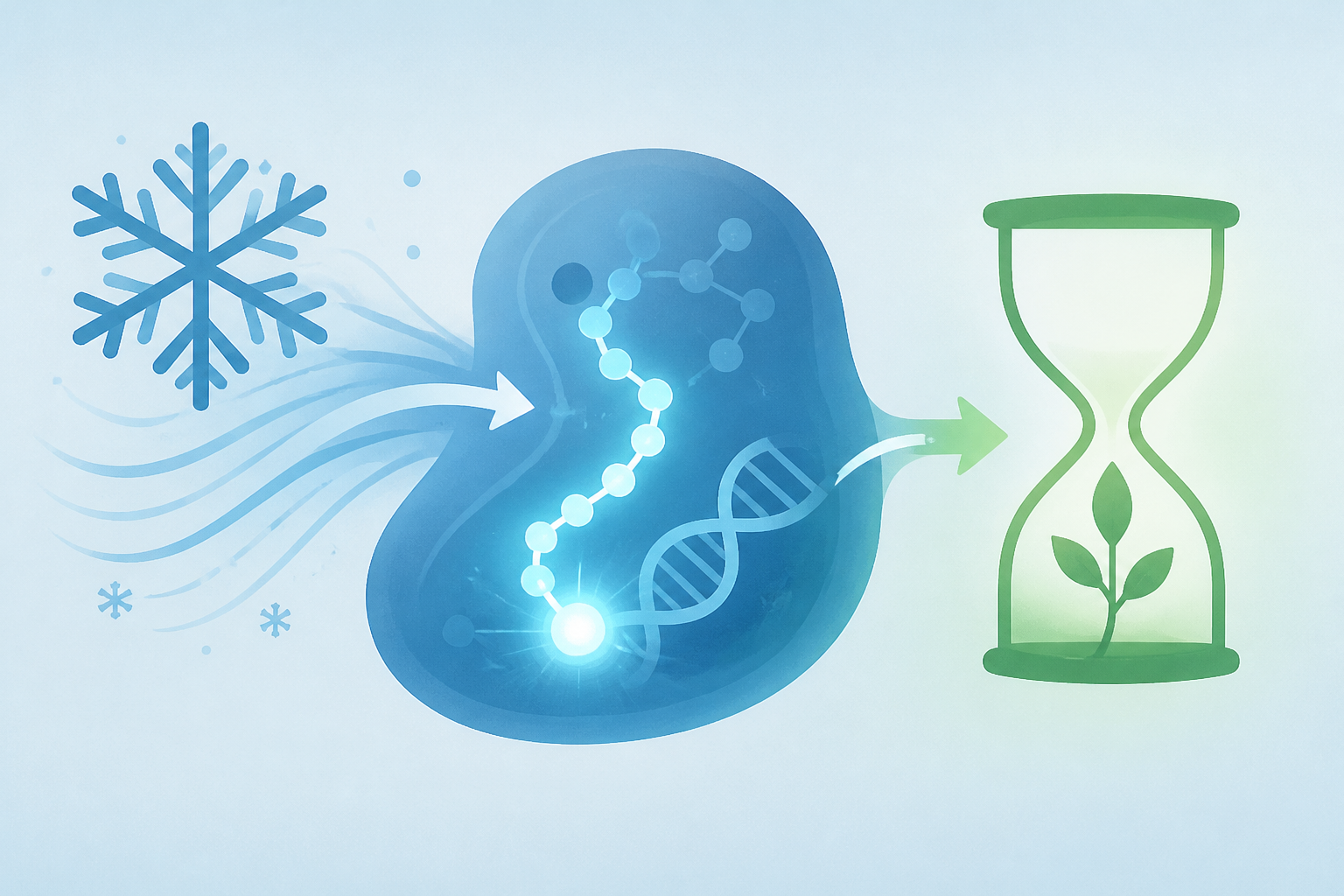
- Research in nematode worms showed that cold-induced production of BH2 leads to the creation of tetrahydrobiopterin (BH4), which facilitates amino acid production and contributes to lifespan extension through an actively regulated biological pathway.
- The pathway involving BH2 also helps suppress harmful protein aggregation in models of neurodegenerative diseases like Huntington's, suggesting potential for organism-wide protection by targeting muscle tissue.
- Scientists demonstrated that genetically increasing the enzyme CAT–4, responsible for BH2 production, extended worm lifespan even at normal or warmer temperatures, indicating possible ways to mimic cold's benefits without lowering body temperature.
- Preliminary experiments with human cells showed BH2 supplementation reduced abnormal protein accumulation and cell death linked to neurodegenerative diseases, though further research is needed before applying these findings to human treatments.


