AI Image
Common Plastic Used in Food Packaging May Fuel Colon Cancer, Mouse Study Finds
ScienceAlert • • health
Key Points:
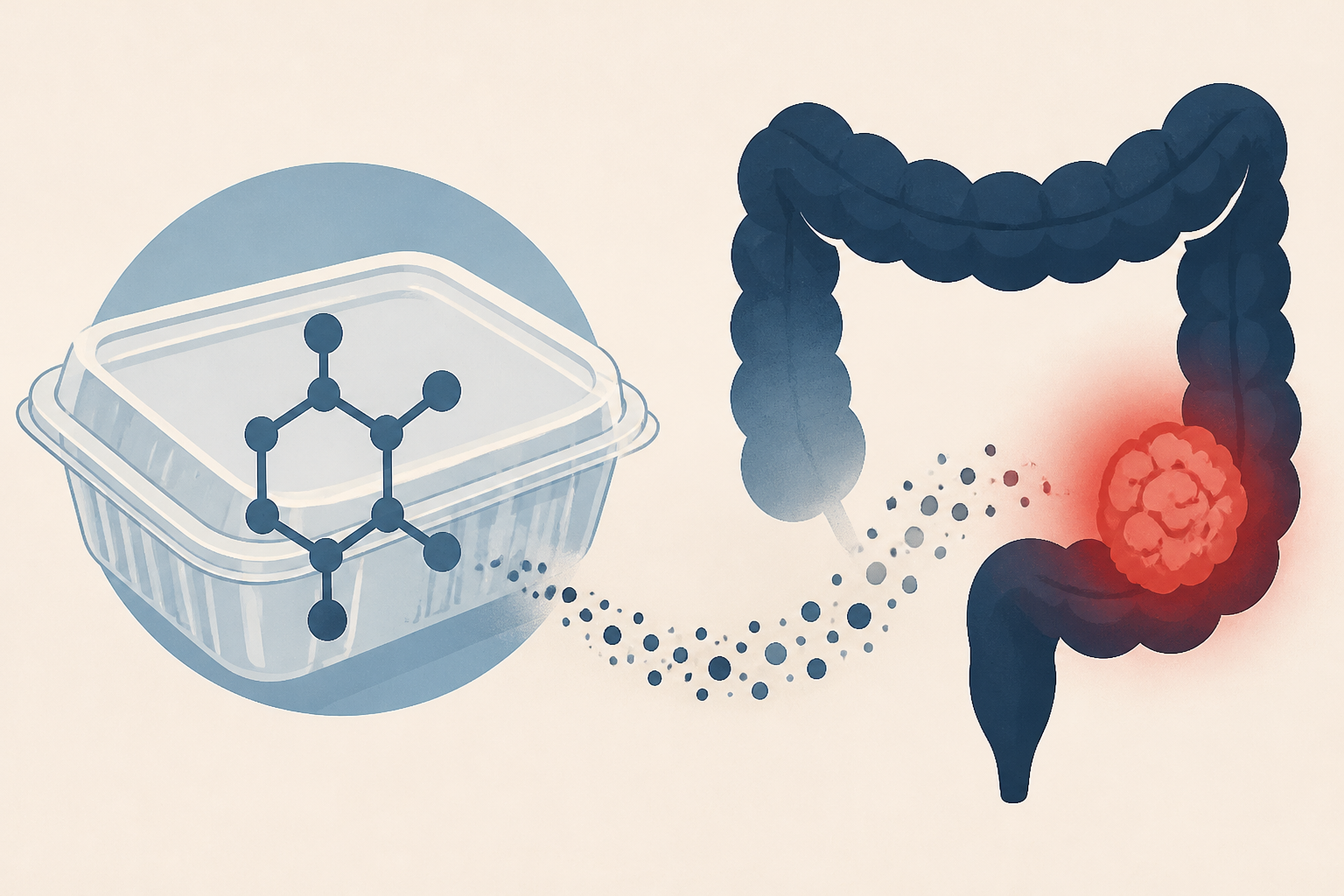
- A new mouse study published in Molecular Cancer reveals that polystyrene nanoplastics can accumulate in the colon and exacerbate colorectal cancer by disrupting the gut microbiome and damaging intestinal cells.
- Mice exposed to both carcinogenic chemicals and polystyrene nanoplastics developed significantly more tumors, with plastics accumulating mainly in colon cell lysosomes and damaging the gut's epithelial microvilli.
- The presence of nanoplastics severely depleted beneficial gut bacteria Faecalibaculum rodentium, which produces propionic acid that protects against tumor formation, thus creating conditions favorable for colorectal cancer.
- Although the study used much higher nanoplastic doses than typical human exposure and involved mice rather than humans, researchers warn that incidental microplastic consumption could pose similar long-term health risks.
- The findings highlight the critical interaction between environmental pollutants, the gut microbiome, and intestinal health, suggesting potential intervention targets to reduce pollution-associated cancer risks.


