AI Generated Image
Could light make cancer treatment safer? UNC researchers think so
WRAL • • health
Key Points:
- Researchers at UNC-Chapel Hill, led by Brianna Vickerman, are developing a light-activated drug delivery system to target cancer treatments specifically at tumor sites, reducing harmful side effects on healthy tissue.
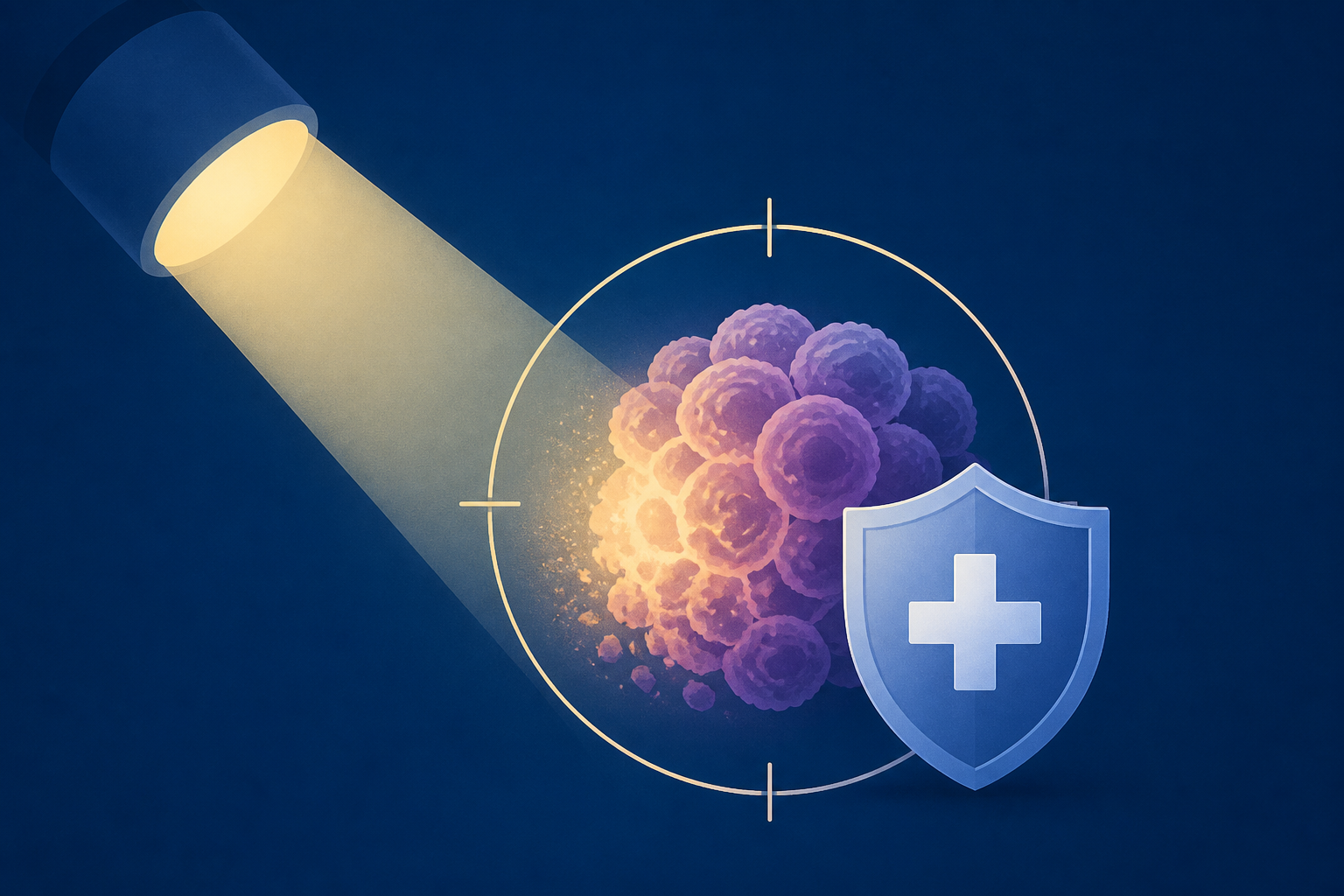
- The innovative approach involves encapsulating existing cancer drugs in carriers that remain inactive until exposed to light at the disease location, allowing precise drug release without altering the drugs themselves.
- This technology is currently being tested on head and neck cancers, aiming to minimize lifelong side effects commonly caused by conventional treatments.
- The project recently secured a two-year commercialization grant to further test the method in cancer models and advance toward clinical development.
- Vickerman envisions this technology being used clinically within the next decade to provide safer, more effective treatments for cancer and cardiovascular diseases.


