AI Image
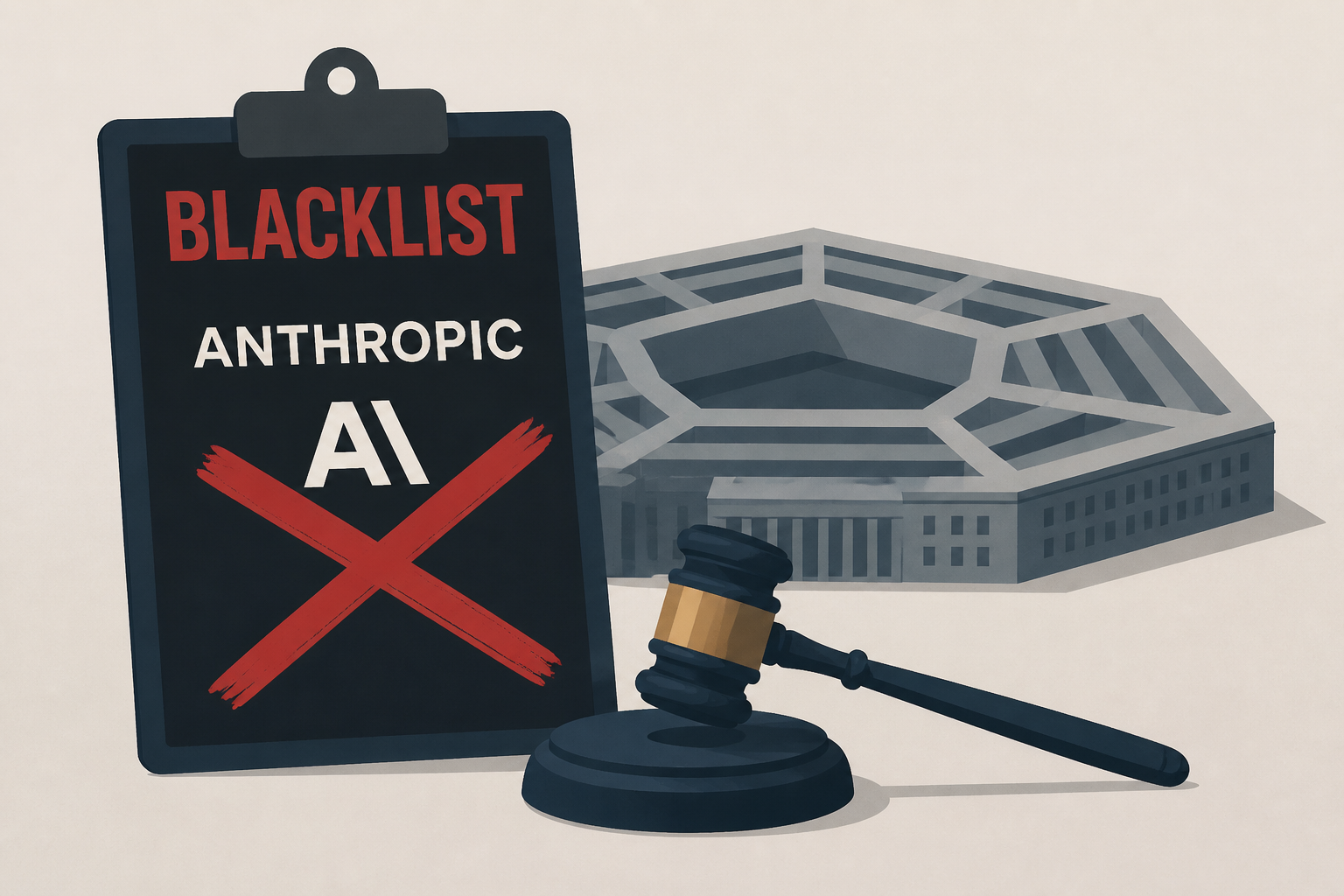
Court rules Pentagon can blacklist Anthropic for refusing to enable Claude features
Ars Technica • • nation
Key Points:
- A US appeals court upheld the Department of Defense’s blacklisting of AI company Anthropic, ruling the Trump administration had authority to do so based on concerns that Anthropic withheld AI features needed for military use, regardless of malicious intent.
- The 2-1 decision by the DC Circuit Court emphasized the difficult balance between risks of overly constrained AI models failing military operations and unconstrained AI models potentially causing harm, affirming the Secretary of Defense acted within legal authority under 41 U.S.C. § 4713.
- Anthropic has challenged the blacklisting in court, with a separate federal judge in California ruling last month that the blacklisting was unlawful under a different statute (10 U.S.C. § 3252) because it requires malicious intent, which Anthropic denies having.
- The appeals court majority interpreted the broader supply chain risk definition under Section 4713 to include non-malicious actions like Anthropic’s restrictions on AI use, while the dissenting judge argued this interpretation improperly expanded the statute beyond its intended focus on deliberate sabotage or espionage.
- Anthropic plans to continue legal challenges, potentially seeking en banc review or Supreme Court intervention, and maintains it acted lawfully despite the ongoing dispute and conflicting court rulings.


