AI Image
Quitting alcohol changes the brain and can increase the risk of compulsive drinking - new research in mice
health.yahoo.com • • health
Key Points:
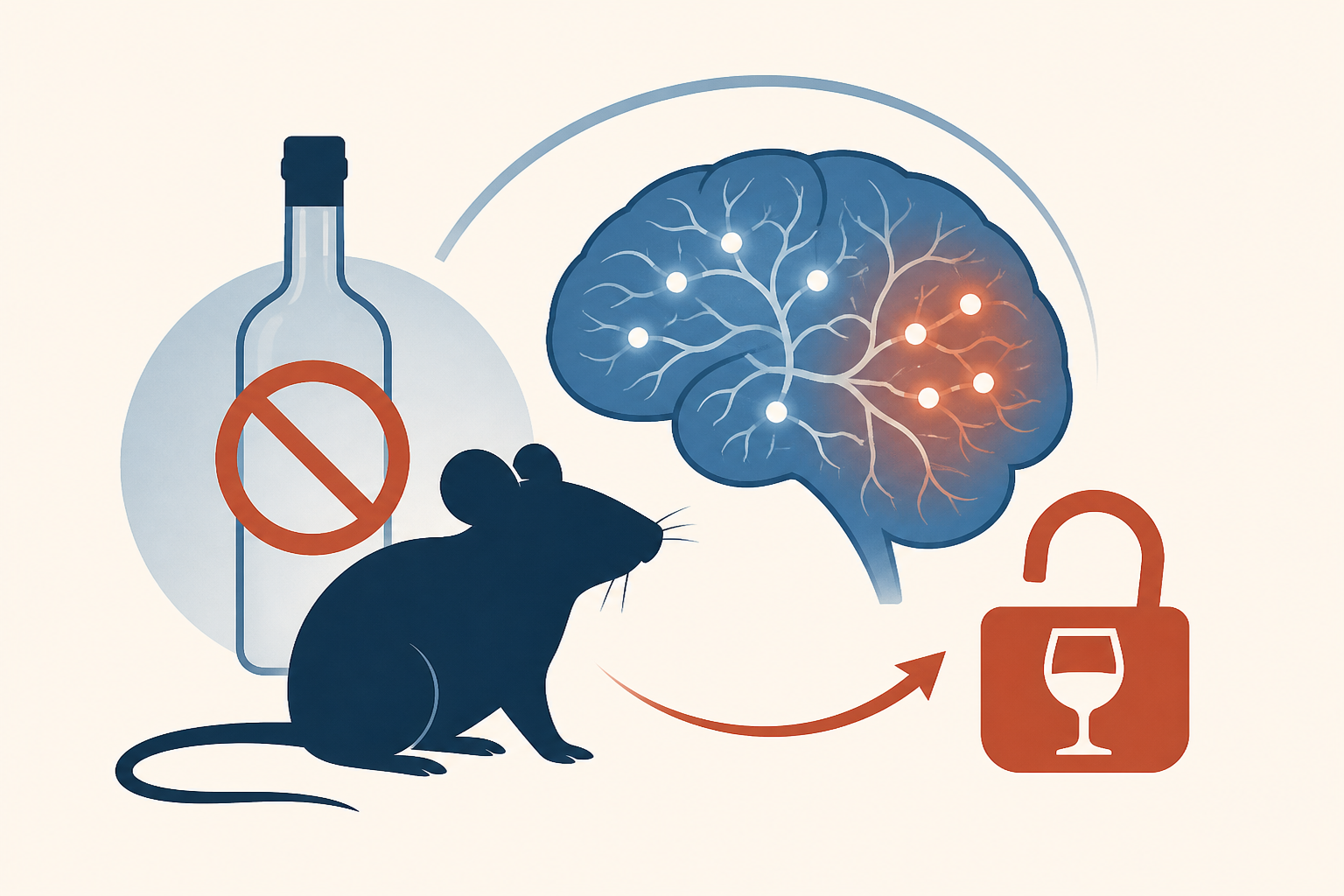
- Research on mice indicates that forced abstinence from alcohol can lead to increased compulsive drinking, linked to heightened activity in the bed nucleus of the stria terminalis (BNST), a brain region associated with addiction symptoms like anxiety and depression.
- Mice that developed aversion-resistant alcohol intake consumed larger amounts of bitter alcohol after abstinence, suggesting physiological challenges during abstinence may contribute to relapse in alcohol use disorder.
- BNST activity was observed even before re-exposure to alcohol, highlighting the potential to use BNST activity as a biomarker to identify individuals at higher risk of relapse.
- Alcohol misuse remains a significant public health issue in the U.S., with alcohol-related deaths surpassing those from opioids; despite available treatments, the number of people with alcohol use disorder has doubled since 1999.
- Ongoing research aims to clarify the BNST's exact role in alcohol-related behaviors, with future clinical trials potentially using BNST activity to improve screening and treatment strategies for alcohol use disorder.


