AI Image
Daylight saving time is coming to an end again. Here's how the time change may impact you
PBS • • nation
Key Points:
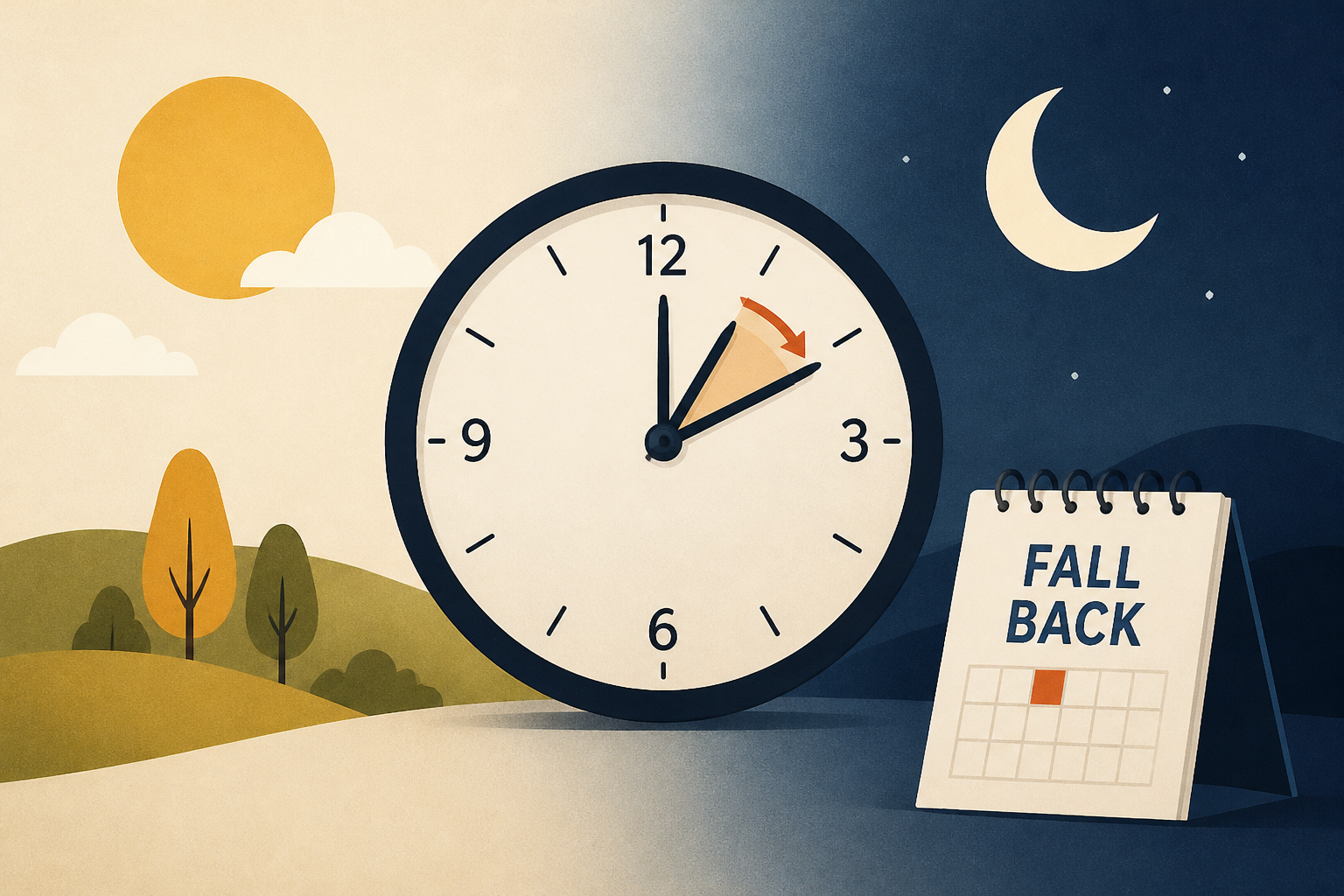
- Daylight saving time ends at 2 a.m. local time on Sunday, requiring clocks to be set back one hour, resulting in an extra hour of sleep but darker afternoons until March 14 when daylight saving time resumes.
- Most Americans prefer to keep extra evening daylight, but health groups advocate for year-round standard time as it better aligns with natural circadian rhythms and promotes healthier sleep patterns.
- The circadian rhythm, regulated by exposure to morning light, influences sleep, alertness, and various bodily functions; disruptions from time changes can affect sleep schedules and increase risks like heart attacks and car crashes.
- To ease the transition, experts recommend adjusting bedtimes gradually before the change and seeking morning sunlight to help reset the body clock.
- The U.S. has debated abolishing the time change for decades, with recent legislative efforts like the Sunshine Protection Act aiming to make daylight saving time permanent, though it faces political opposition.


