AI Image
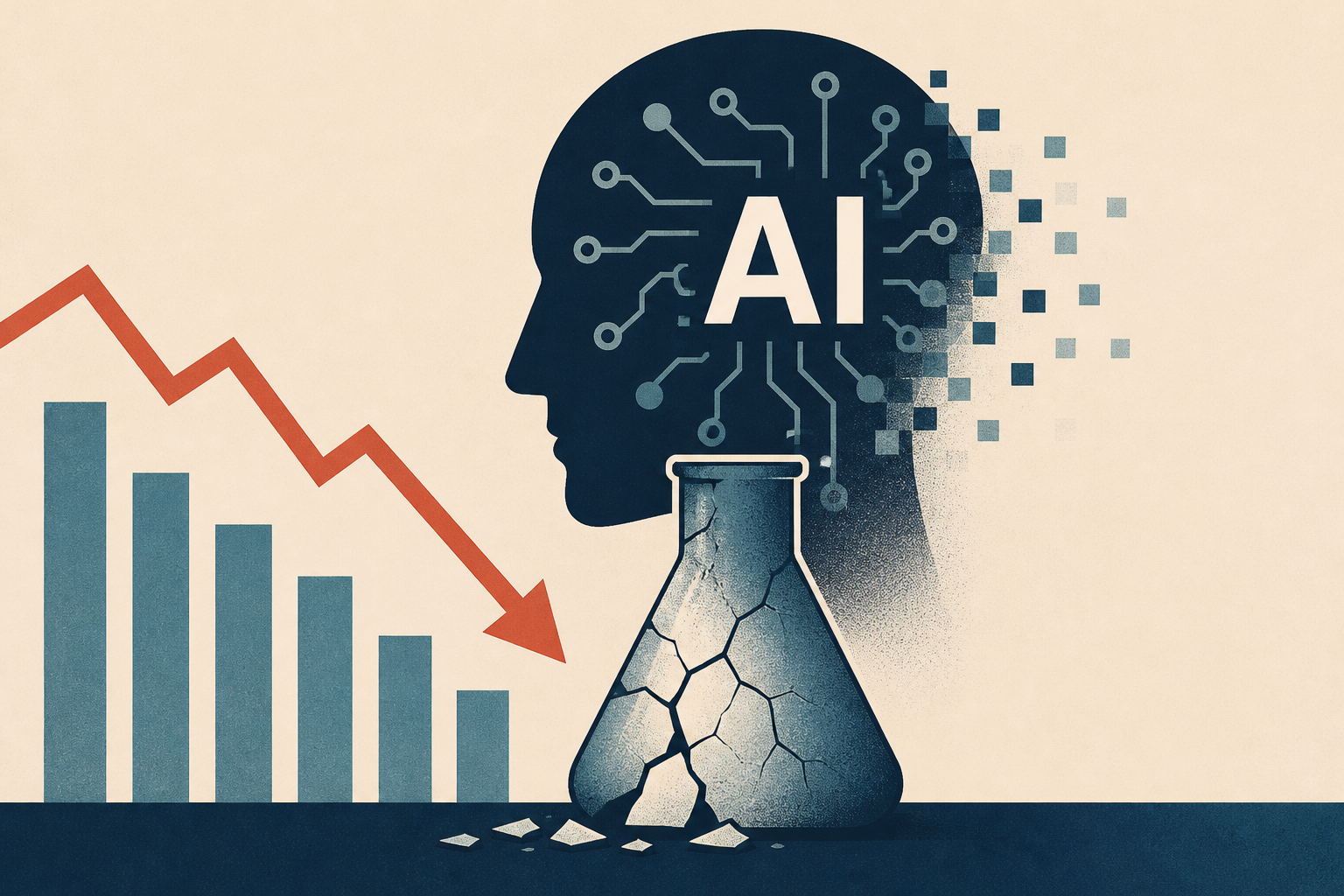
up fuelling fears that AI is undermining science
BBC • • business
Key Points:
- AI is increasingly integrated into scientific research, exemplified by projects like Basecamp Research's DNA database and DeepMind's AlphaFold protein-folding predictions, which have accelerated discovery but also raised concerns about AI's impact on scientific integrity.
- A recent dispute arose when OpenAI claimed to have solved a major mathematical problem, sparking accusations from rival researchers about potential misuse of shared research data, highlighting uncertainties about AI's role and transparency in scientific breakthroughs.
- Experts warn that AI-generated scientific papers, including fabricated citations and phantom research, are proliferating, risking the erosion of trust in peer review and the reliability of published science, with studies showing up to 90% of biomedical papers bear AI "fingerprints."
- Scientific publishers are responding by developing tools and policies to detect AI-generated content and maintain research integrity, emphasizing the need for "research-grade AI" that keeps human researchers accountable and in control of scientific outputs.
- While AI offers unprecedented potential to accelerate discoveries, concerns remain about its ability to replicate human creativity and serendipity, underscoring the importance of human oversight to ensure AI supports rather than undermines the scientific process.


