AI Image
Deep-Sea Rocks Spontaneously Combusted After Scientists Brought Them to the Surface
Gizmodo • • science
Key Points:
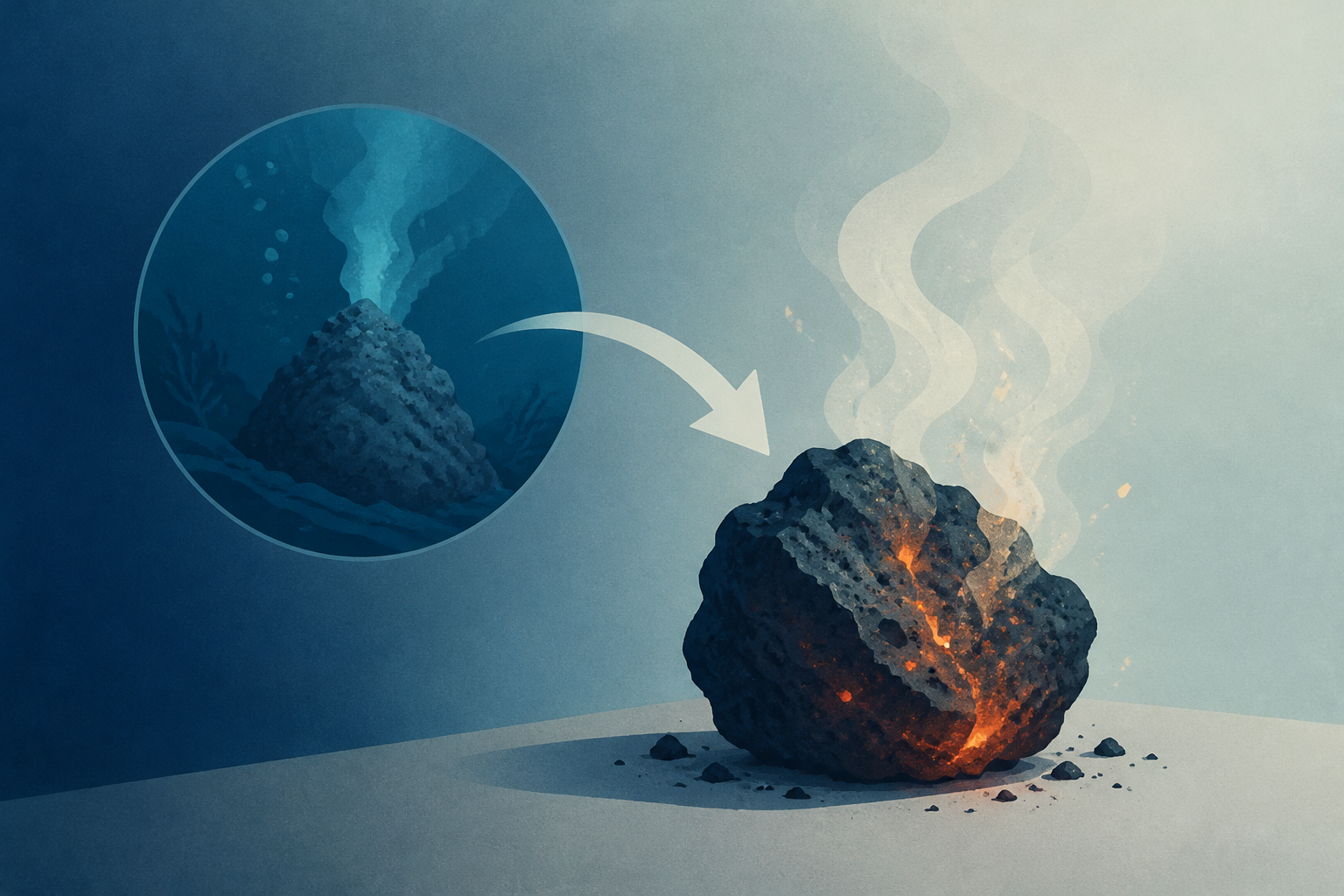
- Researchers from the US Geological Survey found that some deep-sea metal sulfide rocks can spontaneously combust when brought to the surface and exposed to air, posing a fire hazard to deep-sea mining operations.
- The study focused on samples from the Escanaba Trough, where rocks rich in zinc, copper, and iron were collected; two samples containing nanocrystalline marcasite ignited after being crushed and exposed to oxygen.
- The combustion occurs due to oxidation initiated by heat and mechanical forces like crushing, which causes self-heating in the unstable iron sulfide minerals.
- This discovery raises safety concerns for the emerging deep-sea mining industry, which is currently in the technology trial phase and has received exploration contracts from the International Seabed Authority.
- While not all deep-sea rocks may combust, the findings suggest a need for further research and potentially new safety regulations before large-scale mining begins.


